
Last updated October 30, 2026
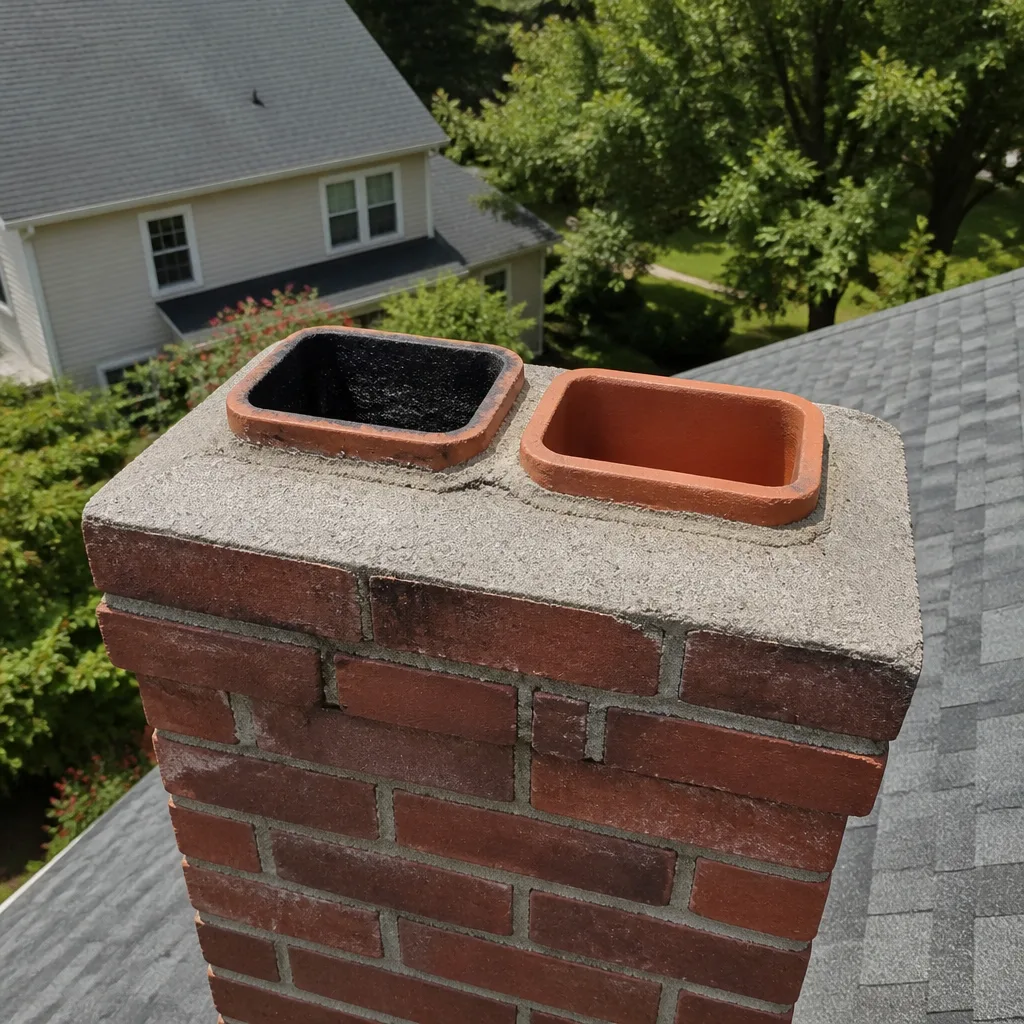 Sweep & inspection
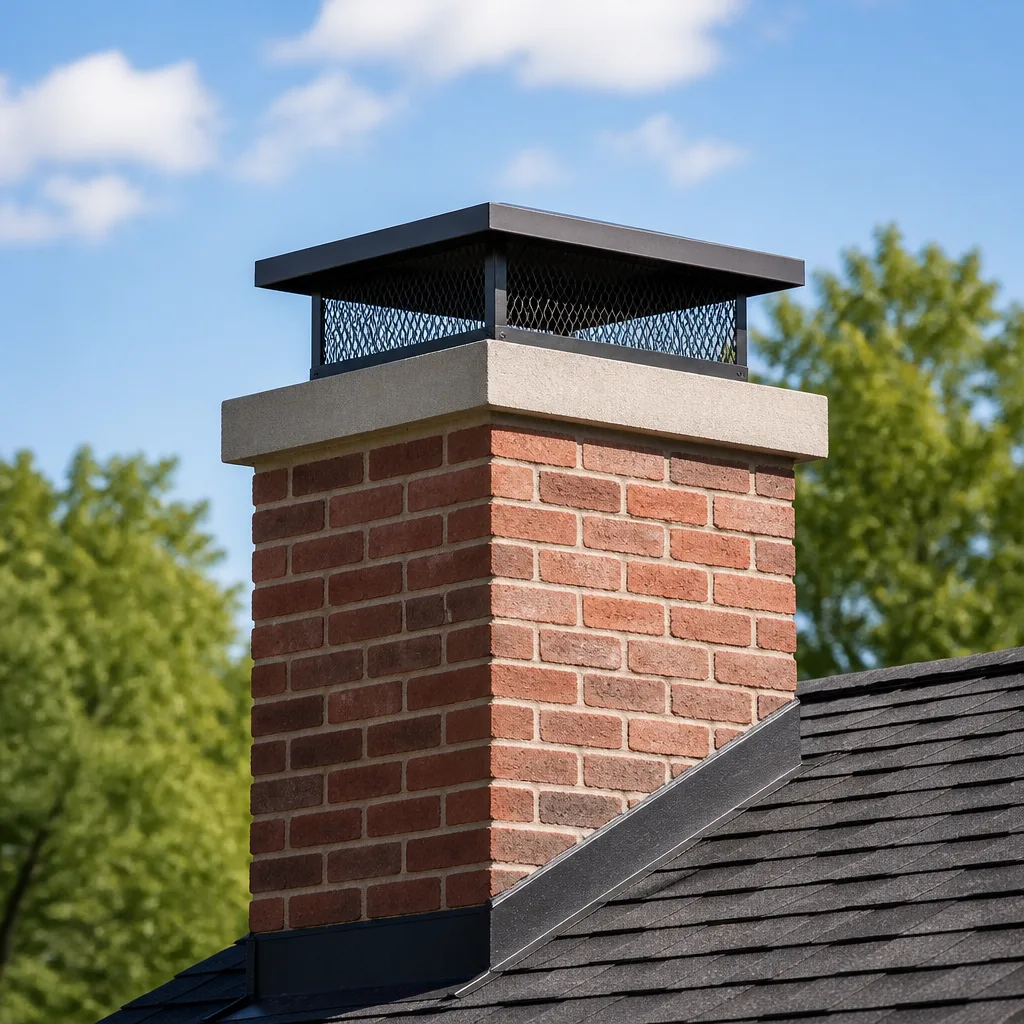 Caps & crowns
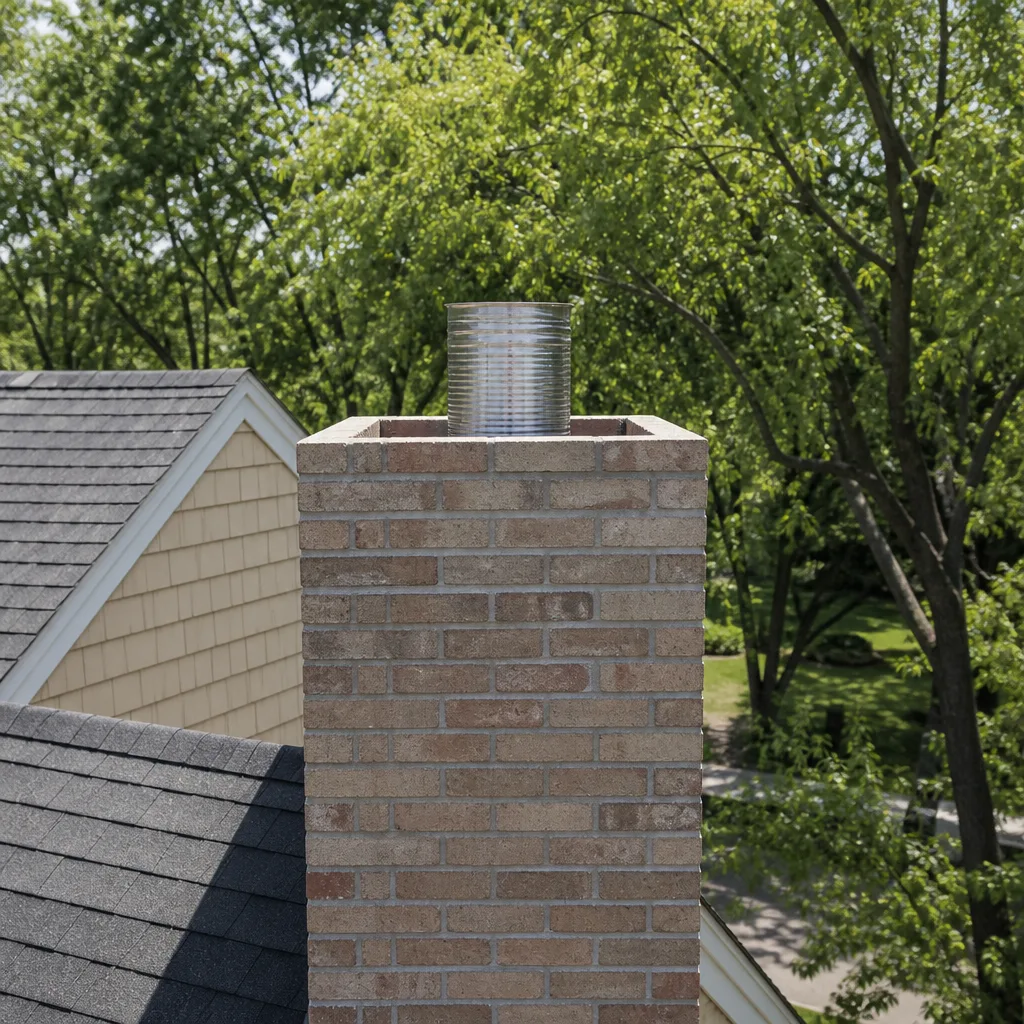 Flue relining
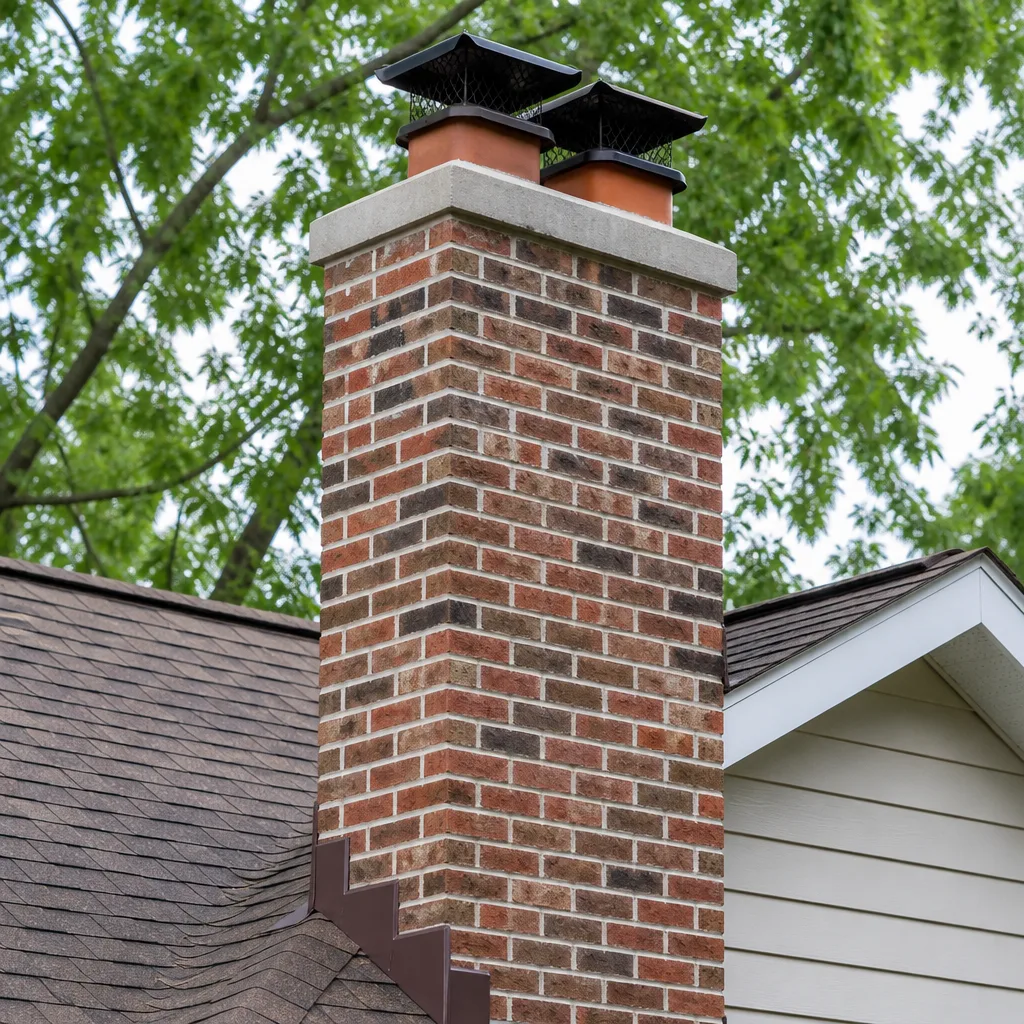 Masonry repair
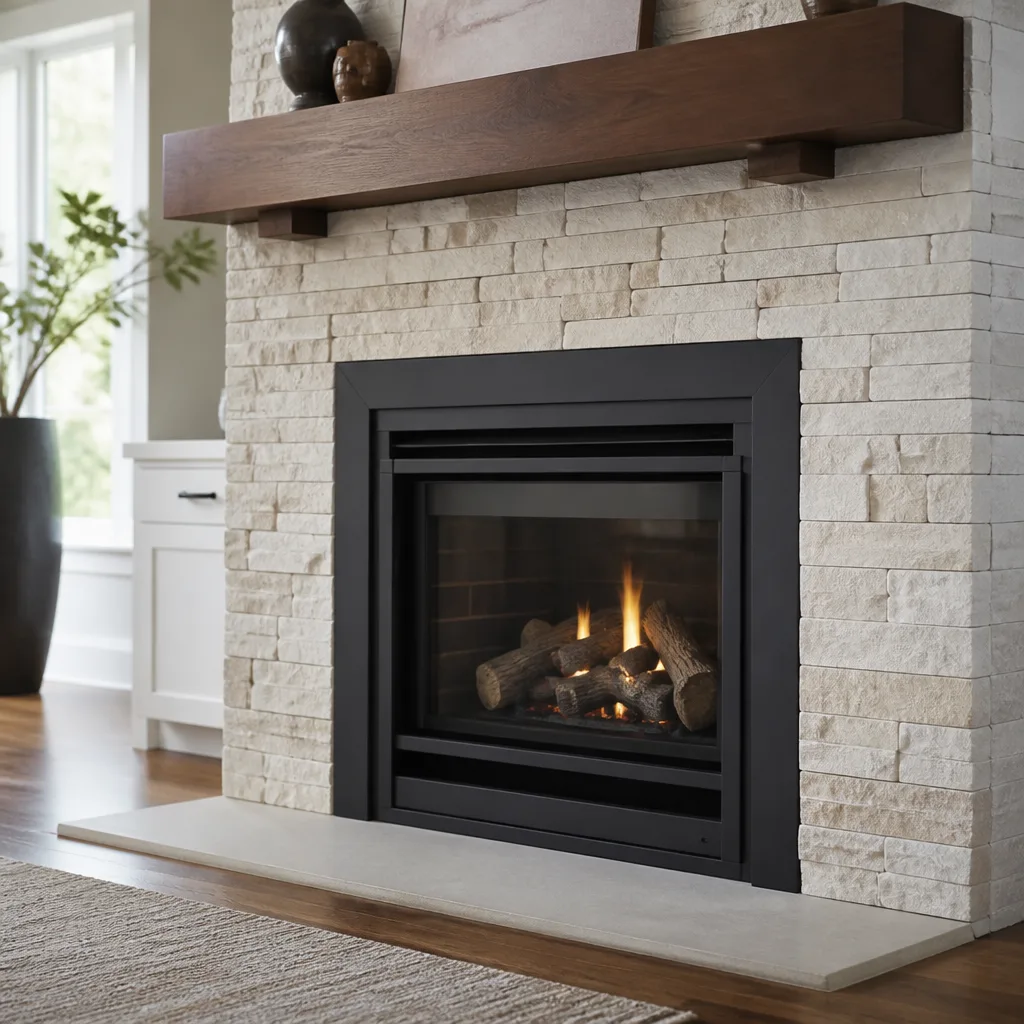 Gas fireplace service
Level 1 sweep and inspection to the NFPA 211 annual standard - flue, crown, cap, and flashing checked and photographed
Chimney sweep logs do not sweep chimneys. They loosen some creosote - which then falls where a brush and vacuum still have to collect it.
Choosing the Right Chimney Cleaning Brand: A Buyer’s Guide for Cicero
Most homeowners in Cicero assume a chimney cleaning is a chimney cleaning. They hire someone with a brush, pay the fee, and move on. But the products and equipment a sweep brings to your home vary wildly, from $40 retail kits to professional rotary systems that cost more than a used car. This guide explains the difference between what you can buy at a hardware store in Cicero and what a trained chimney specialist actually uses, and why that distinction matters for the safety of your home and the longevity of your flue.
Styles & brands we work with
Quick Answer
The right chimney cleaning brand for your Cicero home depends on who is using it, as covered in The Complete Guide to Chimney Cleaning in Cicero. Consumer products like creosote-sweeping logs and retail brushes can supplement maintenance but cannot replace mechanical sweeping by a trained professional using rotary systems, commercial-grade chemical treatments, and camera inspection equipment. When evaluating a chimney cleaning service in Cicero, ask what equipment they use and what brands of repair materials they stock. Companies that invest in professional-grade product lines like HeatShield, DuraFlex, and Gelco signal a level of specialization you will not find with a generalist handyman.
Table of Contents
- The Three Product Categories: Retail, Professional Chemical, and Mechanical
- What Cleaning Logs Actually Do (and What They Don’t)
- Professional Chemical Treatments: When They Help, When They Don’t
- Equipment Matters: Rotary Systems, Cameras, and What They Signal
- Chimney Caps and Dampers: Midwest Freeze-Thaw Reality
- How to Read a Contractor’s Material Spec
- Cicero-Specific Considerations: Climate, Housing Stock, and Codes
- Common Mistakes to Avoid
- When to Call a Professional
- Frequently Asked Questions
- The Bottom Line
The Three Product Categories: Retail, Professional Chemical, and Mechanical
To evaluate chimney cleaning products honestly, you need to understand that the market splits into three distinct tiers. They are not interchangeable, and confusing them is how homeowners end up with a false sense of safety.
Category One: Consumer Retail Products. These are the logs, powders, and basic wire brushes sold at big-box stores. A creosote-sweeping log burns in your fireplace and releases a chemical catalyst that modifies the creosote’s molecular structure. It can make some creosote more brittle and easier to remove during the next mechanical sweep. What it cannot do is remove the creosote. The packaging is careful about this, which is why labels say “reduce” rather than “eliminate.” A basic wire brush from a retail shelf is a real tool, but it is sized and weighted for occasional use, not for the repeated professional cleaning of multiple flues per day.
Category Two: Professional Chemical Treatments. Companies like Anti-Creo-Soot and ChimneySaver manufacture catalytic treatments used by certified sweeps. These products are applied by a professional after a mechanical sweep, or in some cases as a spray or powder that a homeowner applies between cleanings. They work by altering the creosote so that subsequent removal is more effective. Some are manganese-based catalysts, others use different chemistry. The key distinction is that professional chemical lines are designed to work in conjunction with mechanical sweeping, not as a substitute for it.
Category Three: Mechanical Removal Tools. This is where the real work happens. Professional rotary cleaning systems use flexible rods, a drill-driven whip head, and specialized poly or steel lines that break creosote free from the flue walls. These are the tools used by every reputable chimney contractor, and they remove what chemicals can only modify. In our experience cleaning chimneys across Cicero, the homes that need the most aggressive mechanical cleaning are often the ones where residents have been relying on retail logs for years.
What Cleaning Logs Actually Do (and What They Don’t)
Let’s be direct about this, because the marketing around cleaning logs is misleading enough that we hear about it from homeowners in Cicero constantly. A creosote-sweeping log burns and releases a catalyst, usually a manganese compound, that interacts with the creosote already deposited in your flue. The catalyst changes the creosote’s chemical structure, making it drier and more brittle. This is a real chemical process.
Here is what the log does not do. It does not remove creosote. It does not knock deposits off the flue walls. It does not clean your chimney in any mechanical sense. If you have third-degree glazed creosote, which is the hard, tar-like stage that forms under specific burn conditions, a cleaning log can actually create a problem. The log’s catalyst dries the surface of the glazed deposit, making it brittle on the outside while the layer underneath remains hardened and adhered to the flue. A brittle surface layer can crack and flake away unevenly, leaving a rough surface that collects new creosote faster. In a worst-case scenario, dried creosote fragments can fall and partially obstruct the flue.
Think of it this way: a cleaning log is a maintenance supplement, not a service. It has a place in a homeowner’s routine between professional cleanings. It is not a replacement for the mechanical removal of flammable deposits from a confined chimney system. If you burn wood regularly in a Chicago-area winter, which means four to six months of active use, one professional sweep per year is the baseline. Logs can help keep deposits manageable between those visits. They cannot make the visit unnecessary. For comprehensive guidance on what a real cleaning involves, see our Chimney Sweep in Cicero page.
Professional Chemical Treatments: When They Help, When They Don’t
Professional chemical treatments occupy a middle ground that is worth understanding if you want to be an informed buyer. Products like Anti-Creo-Soot, which is a liquid catalyst applied as a spray or added to a woodpile treatment, are used by sweeps as an adjunct to mechanical cleaning. They are not a standalone solution, and no honest chimney professional presents them that way.
Where professional chemicals genuinely help is in managing creosote between sweeps. In a Cicero home that burns softer woods or runs a stove at lower temperatures, creosote accumulates faster than in a well-managed fireplace burning seasoned hardwood. A catalyst treatment can slow the hardening process of creosote deposits, keeping them in a form that is easier to remove at the next professional cleaning. This is a real benefit for homeowners who burn frequently and want to extend the window between sweeps safely.
Where professional chemicals do not help is in addressing an already-hazardous flue. If a camera inspection shows significant creosote buildup, restricting airflow and creating a fire risk, a chemical treatment is the wrong tool. The mechanical removal has to happen first. Applying a chemical to a heavily soiled flue without mechanical cleaning is like spraying rust converter on a frame rail that needs welding. You have not addressed the structural problem.
The brands worth knowing: Anti-Creo-Soot is the most widely distributed professional catalyst. ChimneySaver makes water repellents and crown sealers that are used in structural chimney repair, which is a completely different application from creosote management. When a sweep mentions these products by name and explains exactly when they would and would not use them, you are talking to someone who takes the trade seriously. When a contractor has no answer about what chemicals they use or why, that is information too. For more on how a full-service specialist approaches both cleaning and structural health, see our Chimney Repair in Cicero page.
Equipment Matters: Rotary Systems, Cameras, and What They Signal
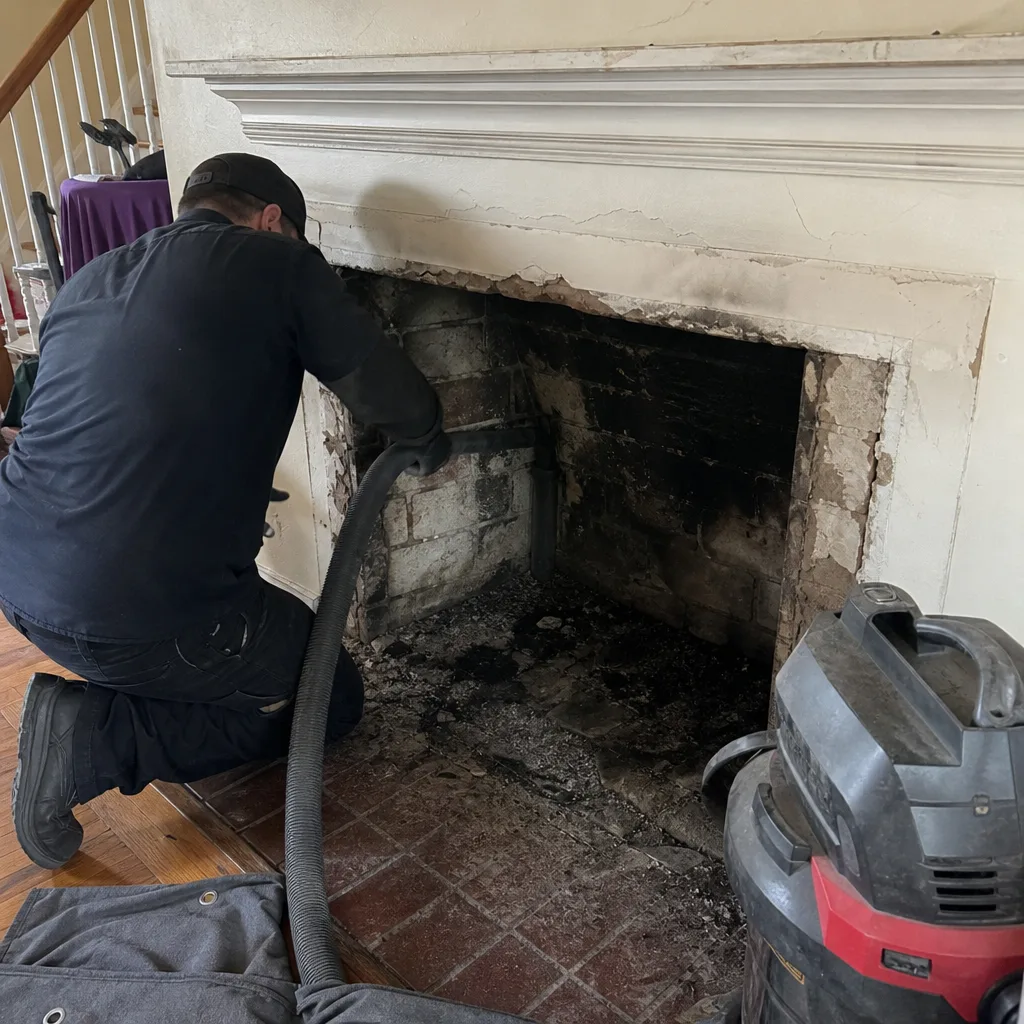
Walk into a chimney professional’s truck and look at the equipment. What you see tells you more about the quality of the cleaning than any marketing copy. A basic brush-and-bag operation uses a wire or poly brush on a set of rods, a drop cloth, and a shop vacuum. This is the traditional method, and it works for removing loose, flaky creosote from a standard flue. It is also the method that misses things.
A professional rotary cleaning system is a different category of tool. It uses a drill motor connected to a flexible shaft, with a whip head made of poly lines or steel cables at the business end. When spun inside the flue, the whip head strikes the walls at high speed, breaking free deposits that a push-pull brush simply skates over. In a flue with second-degree creosote, the kind that looks like crunchy black flakes, a rotary system is dramatically more effective. The difference in cleanliness is visible on camera.
Speaking of cameras: a chimney contractor who invests in camera inspection equipment is operating on a completely different level from one who does not. A camera inspection before and after cleaning provides visual proof of the flue’s condition. It shows the homeowner exactly what was there, what was removed, and what remains. It also documents structural issues like cracked flue tiles, which are invisible to the naked eye and impossible to assess from the hearth.
For a Cicero homeowner, the equipment question is one of the most useful screening tools available. Ask the contractor what they use. A rotary system with camera verification is the professional standard. A brush and a shrug is not. This is not about being fancy. It is about whether the person you hire has invested the five to ten thousand dollars in equipment that separates a full-time chimney specialist from someone who cleans flues on weekends.
Chimney Caps and Dampers: Midwest Freeze-Thaw Reality
Chimney caps and dampers are not usually what people think about when they think about chimney cleaning, but they are part of the system. In Cicero, the freeze-thaw cycle is the enemy. Water seeps into small cracks in a masonry crown, freezes, expands, and widens the crack. Over a few Chicago winters, a hairline crack becomes a structural problem. A properly specified chimney cap and damper prevent most of that water from entering in the first place.
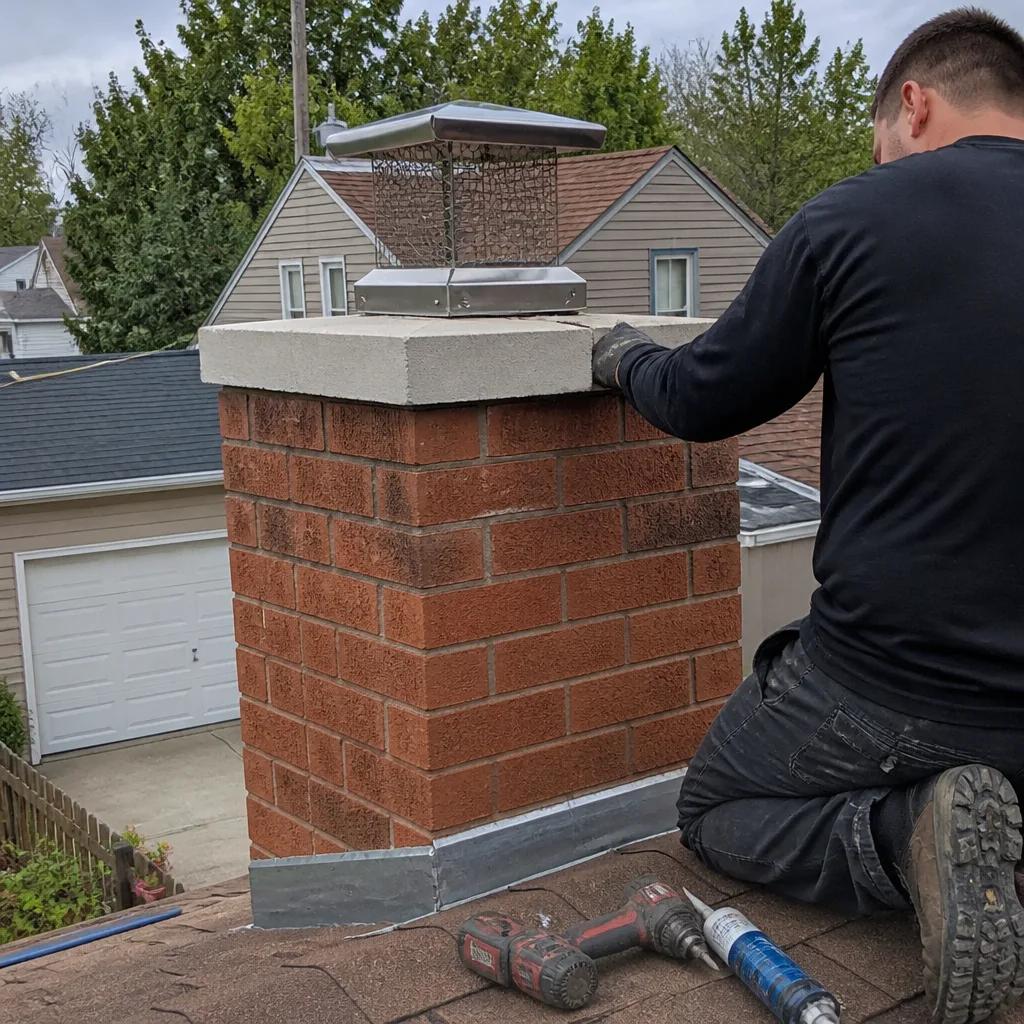
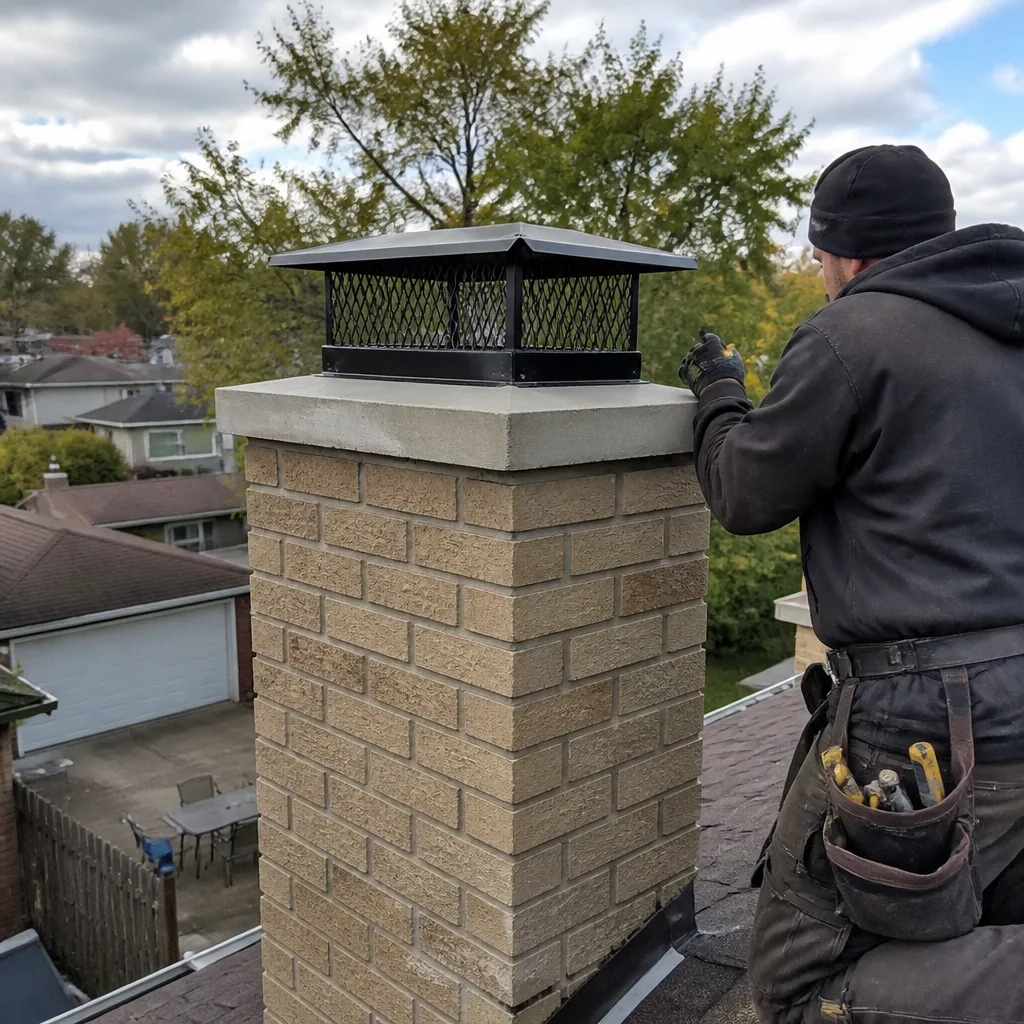
The brands that perform in Midwest conditions are the ones built with stainless steel and galvanized steel rated for exterior exposure. Olympia Chimney manufactures stainless steel caps and dampers that hold up to Illinois winters without rusting through. Famco produces a range of caps and dampers with similar material specifications. Gelco is another name you will see specified on contractor quotes for caps and covers. These are not exotic products. They are the standard-spec materials that a competent contractor reaches for because they work.
The alternative is the builder-grade cap sold at home centers. It is often made of thinner gauge metal, sometimes with a painted finish that fails within two or three winters. The mounting hardware corrodes. The cap works loose in a storm. By the time you notice, water has been entering the flue and the crown for months. When a contractor specifies a cap by brand name, it is a signal that they are thinking about material performance, not just filling a line item. For Cicero specifically, where the temperature swings from below zero to above freezing repeatedly between December and March, material choice is not an academic concern. It is the difference between a cap that lasts a decade and one you replace every few years. We install Gelco and Famco caps alongside our cleaning and repair work, which means a cap that comes off during a sweep gets replaced properly, not patched. Details on our full repair capability are on our Wexford Chimney Sweep home page.
How to Read a Contractor’s Material Spec
When you get a repair quote from a chimney contractor, the material spec is where honesty and professionalism show up in black and white. Here is how to read it.
- Look for named brands, not generic descriptions. A quote that says “stainless steel liner” tells you nothing about the grade, thickness, or manufacturer. A quote that says “DuraFlex 316L stainless liner, 6-inch, with insulation kit” tells you exactly what you are getting. DuraFlex is the industry standard retrofit liner product, and a contractor who names it is buying from professional supply houses, not hardware stores.
- Pay attention to stainless steel grade. 316L is the grade that withstands the acidic condensate produced by modern gas appliances. 304 is adequate for wood-burning. If a quote does not specify, ask. The answer you get is a fast measure of whether you are dealing with a specialist.
- HeatShield means something specific. HeatShield is a material that can restore a compromised flue without a full reline, when the damage is in the right range. It is a specialty application requiring product-specific training. If a contractor lists it, they have either invested in that training or they are bluffing. Either way, it is a useful question to ask.
- Watch for line items that are vague. “Miscellaneous materials” or “as needed” without explanation is a red flag. A professional quote breaks out the material by category and spec.
- Compare the product grades, not just the prices. Two quotes can both say “chimney cap” and differ by $200. The cheaper one is usually builder-grade. Ask for the manufacturer and model. If the answer is “whatever the supply house has,” that is a generalist mindset. We stock specific lines from Gelco, Famco, and Olympia Chimney because we know how they perform in local conditions and we do not want to answer for a product failure we could have avoided.
Cicero-Specific Considerations: Climate, Housing Stock, and Codes
Cicero’s housing stock creates specific chimney conditions that a generic cleaning guide will not address. Most of the residential structures in Cicero were built between the 1900s and the 1960s. The masonry chimneys in these homes are now 60 to 100 years old. The flue tiles inside them are original. Time has done what time does: hairline cracks, spalling bricks, deteriorated mortar joints. A chimney cleaning in Cicero is not just about creosote removal. It is about assessing a structure that is older than most homeowners realize.
The climate compounds this. Chicago winters are hard on masonry. The freeze-thaw cycle pulls apart bricks and mortar that would last decades in a milder climate. When a chimney in Cicero gets cleaned, the sweep should be looking at the structural condition of the brick, the condition of the crown, and the condition of the flashing. These are not optional observations. They are central to the job.
There is also the matter of local code awareness. The Village of Cicero enforces building codes that govern chimney and venting work, and while a routine cleaning does not require a permit, a repair that alters the flue system might. A professional who works regularly in Cicero knows where the line is drawn and will not put a homeowner in the position of discovering a permit issue during a future home inspection. If you are also concerned about dryer vent safety, which is the other major exhaust hazard in older homes, see our Dryer Vent Cleaning in Cicero page. Lint buildup in dryer vents is a fire risk of the same category as creosote, and in Cicero’s older housing stock, long vent runs with multiple elbows are common, which makes professional cleaning more important, not less.
Common Mistakes to Avoid
- Substituting cleaning logs for professional sweeps. Logs modify creosote. They do not remove it. Relying on them for years between cleanings in a Cicero home with active wood burning is how flue fires start.
- Hiring based on price alone. The low-ball quote often comes from a brush-and-bag operation with no camera, no rotary system, and no repair capability. You get what the price pays for.
- Ignoring the material spec in repair quotes. “Stainless steel” is not a spec. 316L is a spec. DuraFlex is a spec. If the quote will not name the product, you cannot evaluate the work.
- Skipping the camera inspection. A sweep that does not look inside with a camera is guessing about most of the flue. In an older Cicero chimney with possible hidden damage, that guess costs you.
- Treating the chimney cap as an accessory. In a freeze-thaw climate, the cap and damper are frontline water protection. Cheap caps fail in three winters. Spec-grade caps last a decade or more.
- Hiring different contractors for cleaning and repair. When a cleaning company finds a problem and refers you to someone else for the fix, you lose continuity and accountability. A full-service specialist diagnoses and fixes in the same relationship.
- Assuming all “certified” sweeps are equal. Certification is a baseline of knowledge, not a guarantee of equipment quality or material standards. Ask about tools and brands. The answers separate the specialists from the generalists.
When to Call a Professional
If you burn wood in a fireplace or stove more than twice a week during heating season, you need a professional chimney cleaning annually. If you have not had your chimney inspected in two years or more, you need one now. If you see flaking creosote in the firebox, smell smoke when the fireplace is not in use, or notice water staining on the ceiling near the chimney, do not wait for the next season. These are conditions that professional equipment, not a retail product, is designed to address. Wexford Chimney Sweep offers free estimates in Cicero. Call (866) 361-2607 to schedule an assessment of your chimney, your dryer vent, or both.
Frequently Asked Questions
The best chimney cleaning products are not the retail logs sold at hardware stores. They are the professional-grade mechanical equipment and chemical treatments used by trained sweeps: rotary whip systems, camera inspection tools, and catalytic products like Anti-Creo-Soot applied as an adjunct to mechanical cleaning. If you want the best product for your chimney, hire a professional who uses them.
Creosote-sweeping logs do modify creosote chemically, making it drier and more brittle, but they do not remove it from the flue. They are a maintenance supplement, not a substitute for mechanical sweeping. In a Cicero home with regular wood burning, a professional cleaning is still required annually regardless of log use.
A wood-burning chimney should be professionally cleaned after every cord of wood burned, or at minimum once per year, a choice explored in DIY vs Professional Chimney Cleaning: The Cicero Homeowner’s Decision Guide. In Cicero, where heating season runs from roughly October through April, an annual late-summer or early-fall cleaning is the standard schedule. Gas fireplaces can go longer between cleanings but should still be inspected annually.
Look for named professional-grade brands rather than generic descriptions. DuraFlex for liner systems, HeatShield for flue restoration, and Gelco, Famco, or Olympia Chimney for caps and dampers are all indicators of professional-standard materials. A quote that names these products is from a contractor who buys from professional supply houses, not retail outlets.
Some can, and some cannot. A full-service specialist will sweep, diagnose, and repair under one roof, which means a problem found during a cleaning gets fixed without a referral to a separate contractor. Wexford Chimney Sweep handles cleaning, dryer vent maintenance, and structural chimney repair with the same team. Call (866) 361-2607 for a free estimate.
Yes. The lint trap catches only a portion of the lint produced by a dryer. The rest travels through the vent pipe and accumulates there, especially in the long, multi-elbow vent runs common in older Cicero homes. Lint buildup is a fire hazard, and professional dryer vent cleaning removes what the lint trap cannot. See our Dryer Vent Cleaning in Cicero page for details.
The Bottom Line
The chimney cleaning product market is not one market. It is three categories with different capabilities and different appropriate uses. Understanding the difference between retail treatments, professional chemicals, and mechanical removal equipment helps you evaluate contractor bids, avoid wasted money on products that cannot do what their marketing implies, and make decisions that protect your Cicero home. The professional standard is a rotary mechanical cleaning with camera verification, using named material brands when repairs are needed. That standard is worth asking about, worth paying for, and worth prioritizing over price when the alternative is a clean-looking flue with hidden problems. If you have questions about your chimney, your dryer vent, or both, call Wexford Chimney Sweep at (866) 361-2607 for a free estimate.
Written by the team at Wexford Chimney Sweep, serving Cicero since 2013.
See the difference
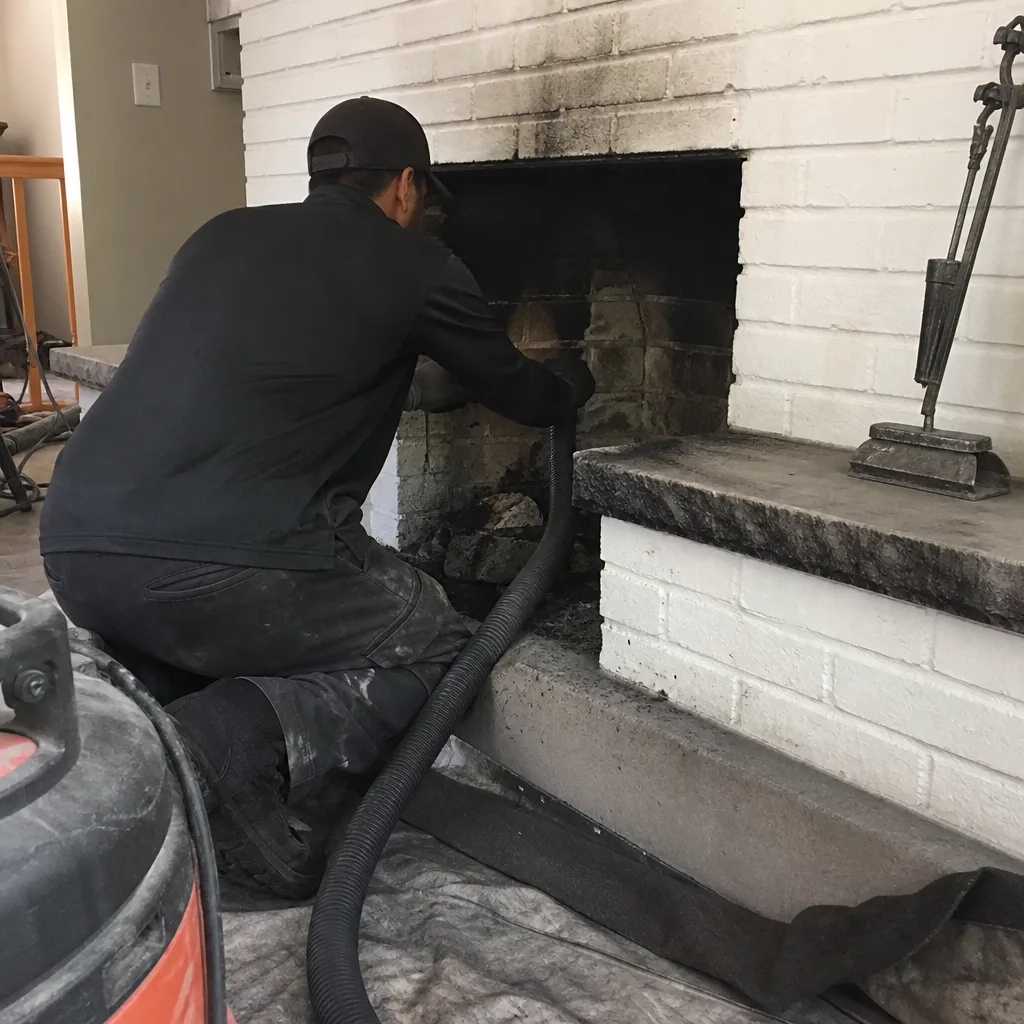 Before
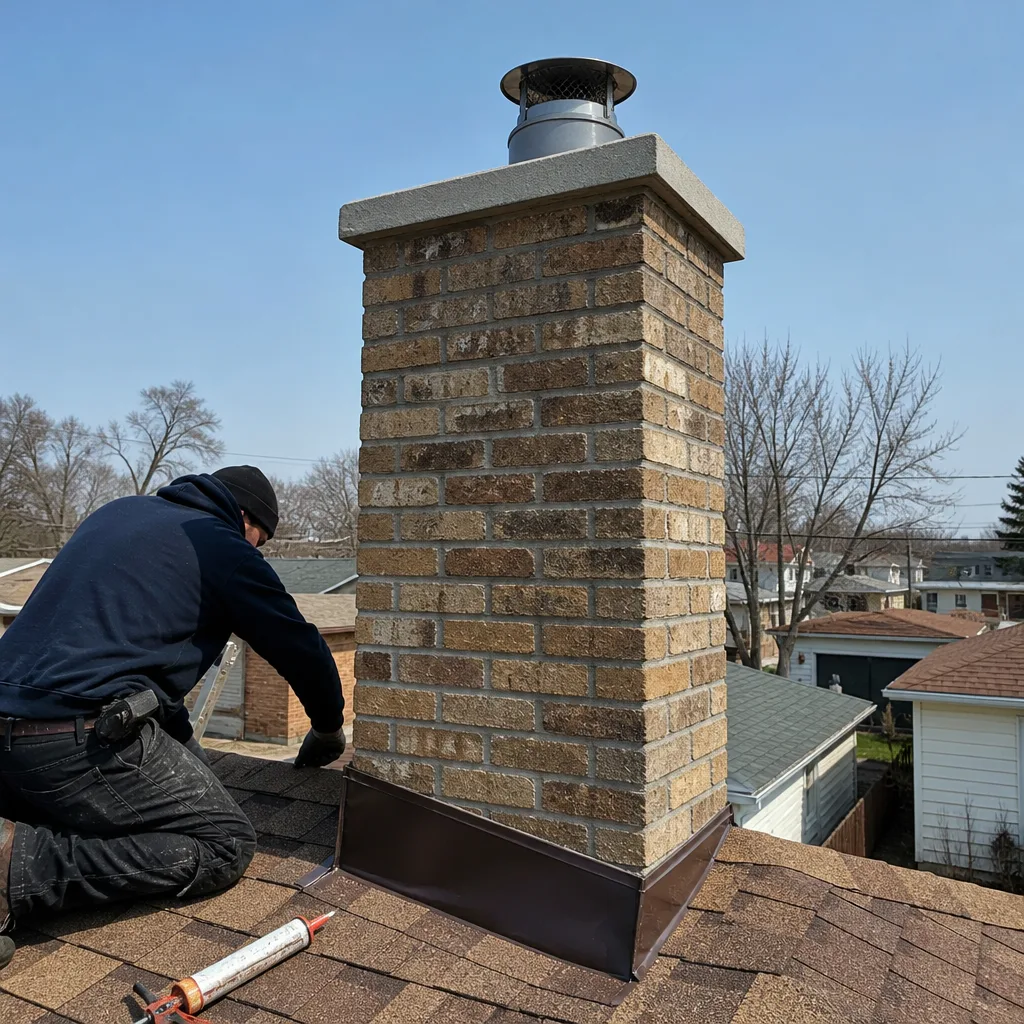 After
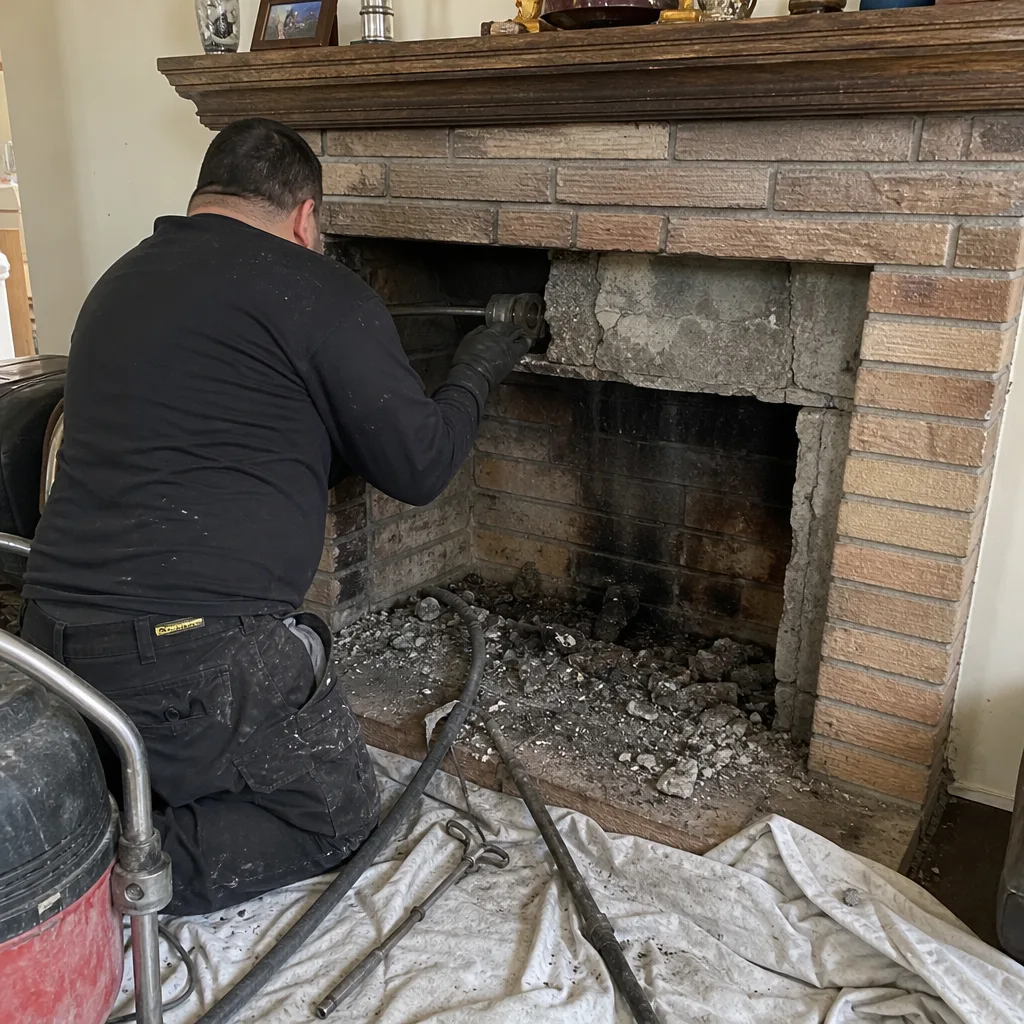 Before
 After
 Before
 After