
Last updated October 30, 2026
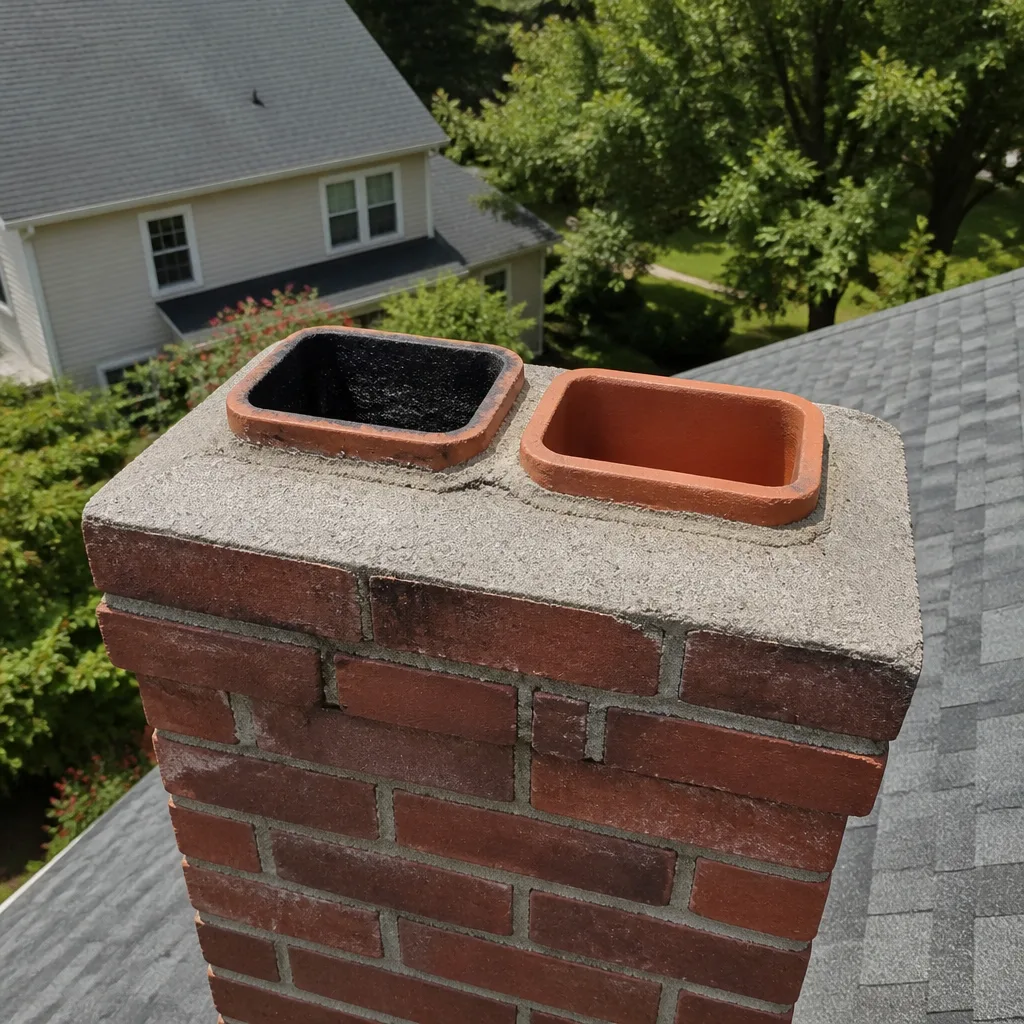 Sweep & inspection
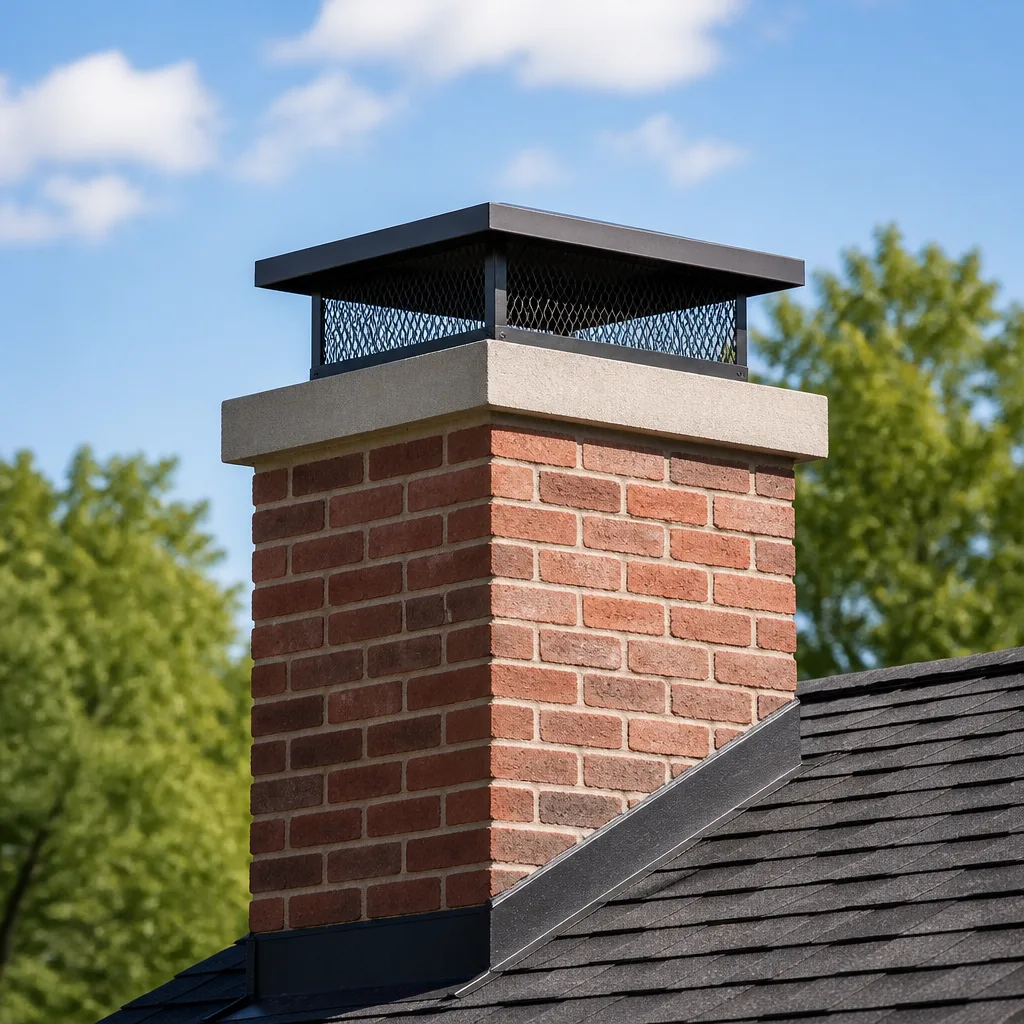 Caps & crowns
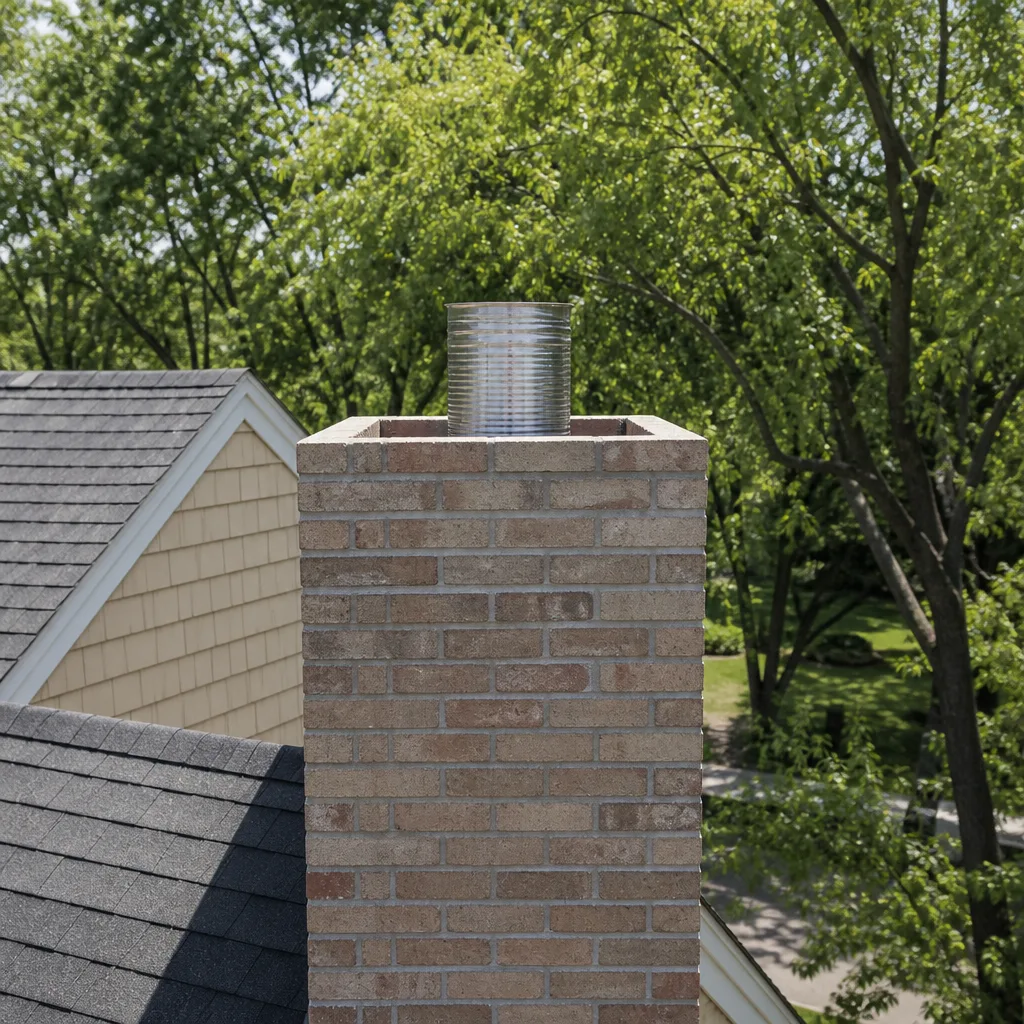 Flue relining
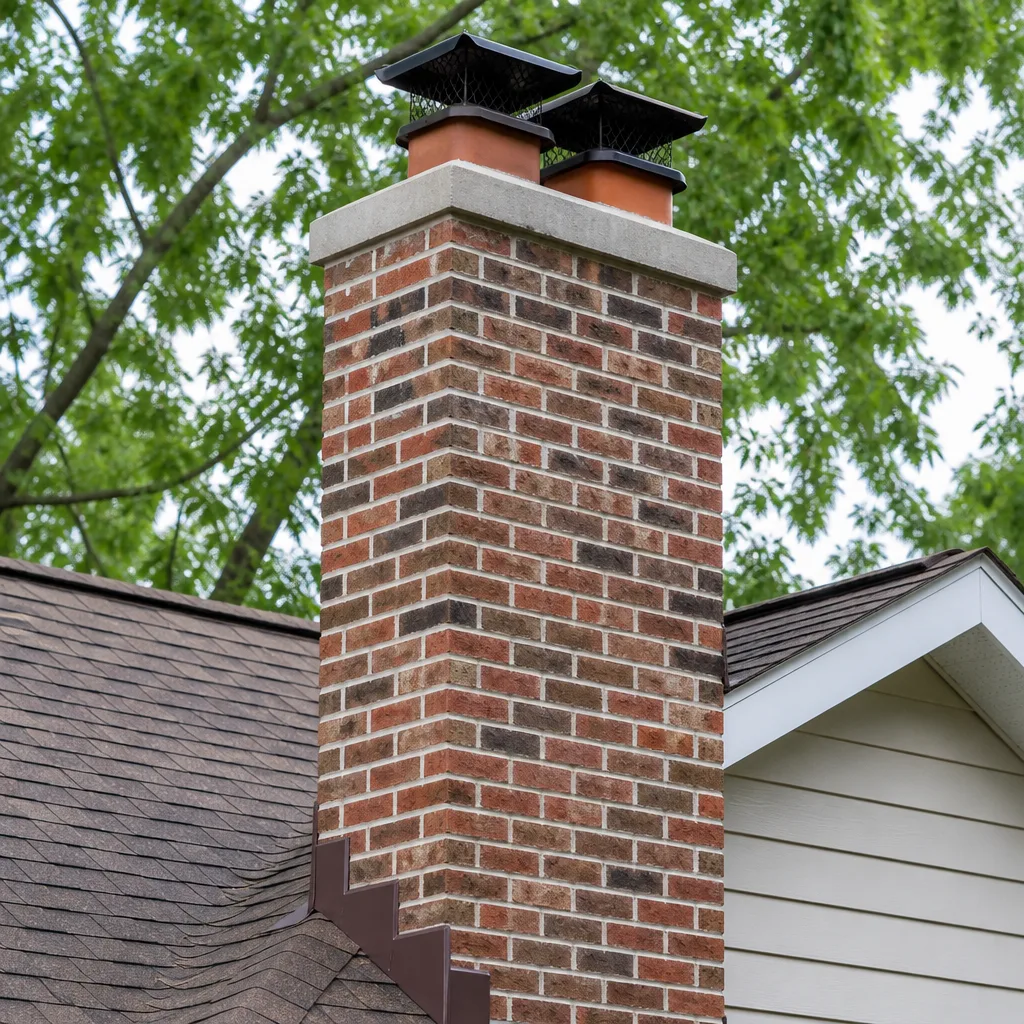 Masonry repair
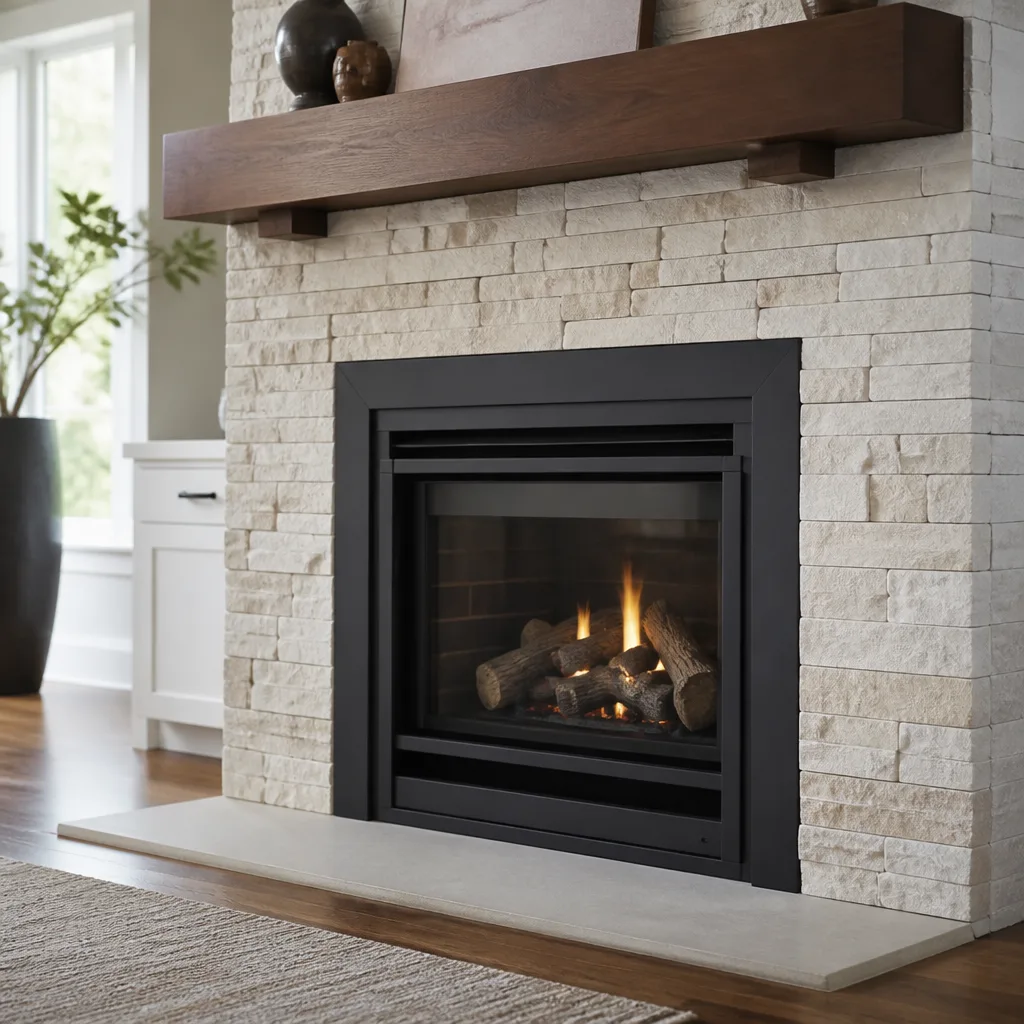 Gas fireplace service
Level 1 sweep and inspection to the NFPA 211 annual standard - flue, crown, cap, and flashing checked and photographed
Chimney sweep logs do not sweep chimneys. They loosen some creosote - which then falls where a brush and vacuum still have to collect it.
Chimney Sweep Troubleshooting: Common Problems and How to Fix Them
Smoke pushing back into your living room during a fire gets blamed on creosote buildup about 90% of the time. But in a sealed modern home with tight windows and a running kitchen exhaust, that same backdraft is just as likely caused by negative air pressure that no amount of sweeping will ever fix. Our Complete Chimney Sweep Guide for Cicero Homeowners covers the five most common chimney complaints we hear from homeowners in Cicero and the surrounding area, how to read your chimney’s actual signals, and which fixes need a pro. You’ll learn how to describe your problem precisely, avoid paying for the wrong repair, and know when a sweep is genuinely the answer.
Quick Answer
Chimney problems fall into two categories: blockages (debris, creosote, animal nests) and draft failures (pressure imbalance, structural damage, undersized flues). A simple match test at the fireplace opening tells you which category you’re dealing with before you spend a dime. Blockages need a chimney sweep or animal removal; draft failures need repairs ranging from damper adjustment to liner restoration with systems like HeatShield.
Styles & brands we work with
Table of Contents
- Smoke Backdraft: Two Root Causes That Need Two Different Fixes
- Chimney Odor in Summer: Why It’s Almost Never a Sweeping Problem
- Slow Draw: When a Fire Struggles to Get Going
- Visible Smoke Staining on the Chimney Face or Mantel
- Animal Intrusion: The Sounds, Smells, and Scratch Marks
- The Match Test: How to Tell a Draft Problem from a Blockage Problem
- How to Document Your Chimney’s Behavior Before You Call
Smoke Backdraft: Two Root Causes That Need Two Different Fixes
Backdraft means smoke enters the room instead of rising up the flue. It feels like the chimney is “pushing back.” Our team sees this regularly in Cicero homes both old and new, and the fix depends entirely on why it’s happening.
The first root cause is physical blockage. A chimney cap installed years ago may have collected enough soot to act like a plug. Creosote can close a flue down to a fraction of its original diameter. Bird nests, squirrel debris, and even wasp hives are common in early fall before people start their first fires of the season. In a blocked flue, smoke has nowhere to go except back into the room. The fix here is straightforward: a professional chimney sweep clears the blockage, and in cases where the flue itself has suffered damage from a prior chimney fire or years of acidic condensation, a liner repair using HeatShield or a full reline with DuraFlex restores safe airflow.
The second root cause is negative air pressure, and it is wildly under-diagnosed. Modern homes are sealed tightly for energy efficiency. When a kitchen exhaust fan, bathroom fan, or central furnace kicks on, it pulls air out of the house faster than the chimney can bring it in. The chimney becomes the path of least resistance for replacement air, and smoke rides along. A spotless, freshly swept chimney will still backdraft under these conditions. The fix involves addressing the pressure imbalance: cracking a window near the fireplace, installing a make-up air system, or upgrading combustion air supply. Sometimes the best answer is both a sweep and a pressure adjustment. Knowing the difference saves you from paying for a second sweep when the first one didn’t solve anything.
We sweep it, inspect it, and if something’s wrong, we fix it. That in-house diagnostic step matters, because backdraft is the problem most likely to waste a homeowner’s money when misread.
Chimney Odor in Summer: Why It’s Almost Never a Sweeping Problem
A fireplace that smells like a wet campfire in the middle of August feels like a dirty chimney. The instinct is to call a sweep. We get those calls every summer in Cicero, and in most cases the sweeping was never the issue.
Summer chimney odor has a specific mechanism. Warm, humid outdoor air sinks down the flue and meets the cool stone or masonry of your fireplace. It picks up the creosote odor that has been baked into the flue walls and carries it into the house. The humidity amplifies everything. What you’re smelling is the chimney’s accumulated seasoning, not an active deposit that a brush will remove and cure.
The real culprits are usually a faulty damper or a missing top-sealing cap. A standard throat damper, even when closed, leaks enough air to let that odor swap happen all season. A top-sealing damper or a properly fitted chimney cap like those from Gelco or Famco stops the air exchange at the source. If the liner itself has eroded and is holding moisture from rain, the smell gets worse, and that points to a liner issue rather than a sweeping issue.
When a sweep is genuinely overdue, creosote deposits will intensify the smell, so a summer sweep isn’t useless. But if your chimney was cleaned within the last year and you’re still getting hot-weather odor, the damper and cap are the next places to look. A specialist who stocks Gelco and Olympia Chimney components can evaluate and correct that in one visit.
Slow Draw: When a Fire Struggles to Get Going
Slow draw means the fire burns, but weakly. Smoke lingers at the top of the firebox before reluctantly climbing. You might find yourself cracking a window even when it’s cold out, just to get the fire going. It’s a draft problem, but the specific cause matters.
Start with the simple checks. Open the damper fully. Ensure the fireplace glass doors, if present, are open. If a previous owner installed a chimney cap with a fine mesh screen, that screen can clog with soot and suffocate the draw. These are easy to spot and sometimes fix on your own.
After that, three technical causes explain most slow-draw cases. First, the flue is undersized for the firebox. Older homes in Cicero sometimes have chimneys built for coal or older wood stoves, and a modern fireplace insert can demand more airflow than the flue was designed to carry. Second, the flue is too short. A chimney needs to extend above the roof peak by a certain margin. If a re-roofing project changed the height ratio, draw suffers. Third, the chimney is on an exterior wall and stays cold. Cold air is heavy; a cold chimney resists allowing smoke up. Insulating the flue or installing a properly sized liner from DuraFlex can correct this, and it’s repair work, not cleaning work.
If you’ve ruled out the damper and screen and the fire still sulks, the sustainable answers are structural. Those are the conversations where having a full-service team matters, because the problem isn’t a dirty chimney and a sweep alone won’t touch it.
Visible Smoke Staining on the Chimney Face or Mantel
Dark streaks above the fireplace opening are frustrating. Homeowners often repaint and move on, only to watch the staining return the next season. The smoke is telling you something specific about the firebox.
Staining directly above the firebox usually means the chimney is short-circuiting. Smoke and heat are rolling under the lintel and escaping into the room instead of traveling up the flue. Causes include an undersized flue, a lintel that is too high, or a firebox opening that is proportionally too large for the chimney. This is a design flaw that gets worse with a taller, hotter fire. Smaller fires may not trigger it.
Staining on the ceiling around the chimney chase or water stains on the drywall near the flue tells a different story: water intrusion and condensation, not smoke. Masonry chimneys in Cicero’s freeze-thaw cycle soak up rain, and when that water meets warm interior air, it migrates through the masonry and stains ceilings. The fix there is about caps, crowns, and water repellent, not fire technique.
Before you repaint, take photos. The location, color, and pattern of the staining are diagnostic information a sweep can read in seconds. If you’ve already repainted, the evidence is gone, and the problem stays invisible until it returns. Document first, then call.
Animal Intrusion: The Sounds, Smells, and Scratch Marks
Chimneys are warm, vertical, and protected. Raccoons, squirrels, birds, and bats all see an open flue as prime real estate. The signs are distinct if you know what to look for.
Scratching or chittering sounds from the fireplace mean a live animal is in the flue or smoke chamber. A heavy ammonia smell, especially in summer heat, often points to raccoon waste, which carries roundworm risk and should not be handled without protective gear. Twigs, grass, and leaves falling into the firebox are the debris of a nest in progress. In spring, birds will make nests directly on the smoke shelf, and in fall, squirrels will stuff the entire flue with leaves and acorns.
The solution is two-step: removal, then prevention. Never try to smoke an animal out with a fire; you’ll likely kill it and create both a blockage and an odor problem that is far worse. Proper removal and exclusion may require animal control depending on the species, but after the animal is gone, the chimney needs a cap. We install caps from Gelco and Famco, along with Olympia Chimney components as needed, sized to keep animals out without restricting airflow. A cap also pays for itself by stopping rain and the water damage that follows.
In Cicero, animal intrusion tends to spike in early fall and late spring. If you hear the scratching, don’t light a fire and don’t wait for the animal to leave on its own. The timeline is working against you.
The Match Test: How to Tell a Draft Problem from a Blockage Problem
This is the single most useful diagnostic a homeowner can run before calling anyone. It takes 30 seconds and gives you real information.
- Open the damper fully. Ensure any glass doors are open.
- Ensure no exhaust fans, furnace, or water heater are running. Close your windows and doors.
- Light a wooden match or a small piece of rolled paper and hold it near the fireplace opening, about where the firebox meets the room.
- Watch the smoke. If it rises into the chimney, you have a draft and your problem is most likely blockage or creosote buildup.
- If the smoke leans toward you, wobbles, or blows into the room, you have a pressure or draft problem. The chimney isn’t pulling, even with no fire lit.
Here’s why this matters. A blockage problem is solved by a chimney sweep. A draft problem might be solved by a damper, a cap, a liner, or a pressure correction, but sweeping alone won’t change it. If you call a sweep and describe a smoke-back-into-the-room problem without this distinction, you may get a sweep when you needed a repair. We’ve seen too many Cicero homeowners pay for two visits to fix what should have been one.
Run the match test before you dial. Then tell the company what you saw. The person on the other end will know you understand your chimney, and that sets the tone for an honest diagnosis.
How to Document Your Chimney’s Behavior Before You Call
A clear description of your chimney problem saves diagnostic time and money. Here’s what we ask every homeowner to run through before booking a visit, so the sweep arrives with context instead of starting from zero.
- Describe the exact symptom. Is smoke entering the room? Is there an odor? Is the fire weak? Write down one sentence, no interpretation.
- Note the conditions. Was it cold or warm outside? Were any fans or the furnace running? Windows open or closed? These details separate draft from blockage.
- Run the match test. Report which direction the smoke went.
- Take photos. Firebox, damper, chimney exterior, cap if visible, and any staining on walls or ceiling.
- Check the damper. Is it fully open? Does the handle move easily or feel loose?
- Look up from the firebox with a flashlight. Do you see narrowing, debris, or daylight? Do not climb onto the roof.
This documentation does two things. It helps the sweep diagnose faster, and it protects you from paying for remediation you don’t need. When a technician sees that you’ve already run the match test and checked the damper, the conversation shifts from guesswork to solving the problem. In our experience across Cicero and the surrounding area, those calls move faster and cost less. For more guides & resources, visit our blog.
Common Mistakes to Avoid
- Assuming every backdraft is creosote. Sealed modern homes create pressure problems that a clean chimney cannot overcome. Run the match test before assuming a sweep will fix it.
- Repainting smoke stains without documenting them. Once painted over, the evidence disappears and the underlying cause stays hidden. Photos first, paint second.
- Lighting a fire to scare out an animal. That creates a dead animal, a blockage, and a lasting odor problem. Call a professional before anything else.
- Skipping the cap after an animal removal. Removing the raccoon without capping the chimney means a new tenant moves in within weeks. Prevention is the second half of the fix.
- Assuming a summer odor means the chimney is dirty. It’s usually a damper or moisture problem. A sweep might reduce the smell briefly, but it returns if the air exchange isn’t corrected.
- Waiting until October to call in Cicero. Fall is the busiest season for every sweep in the area. Schedule in late summer and you’ll have a clean, inspected chimney before the first cold night.
- Ignoring a slow draw that “works fine if I crack a window.” That’s a pressure or sizing problem, and it’s not going to correct itself. It points to a flue that isn’t matching the firebox, and fires will always be inefficient.
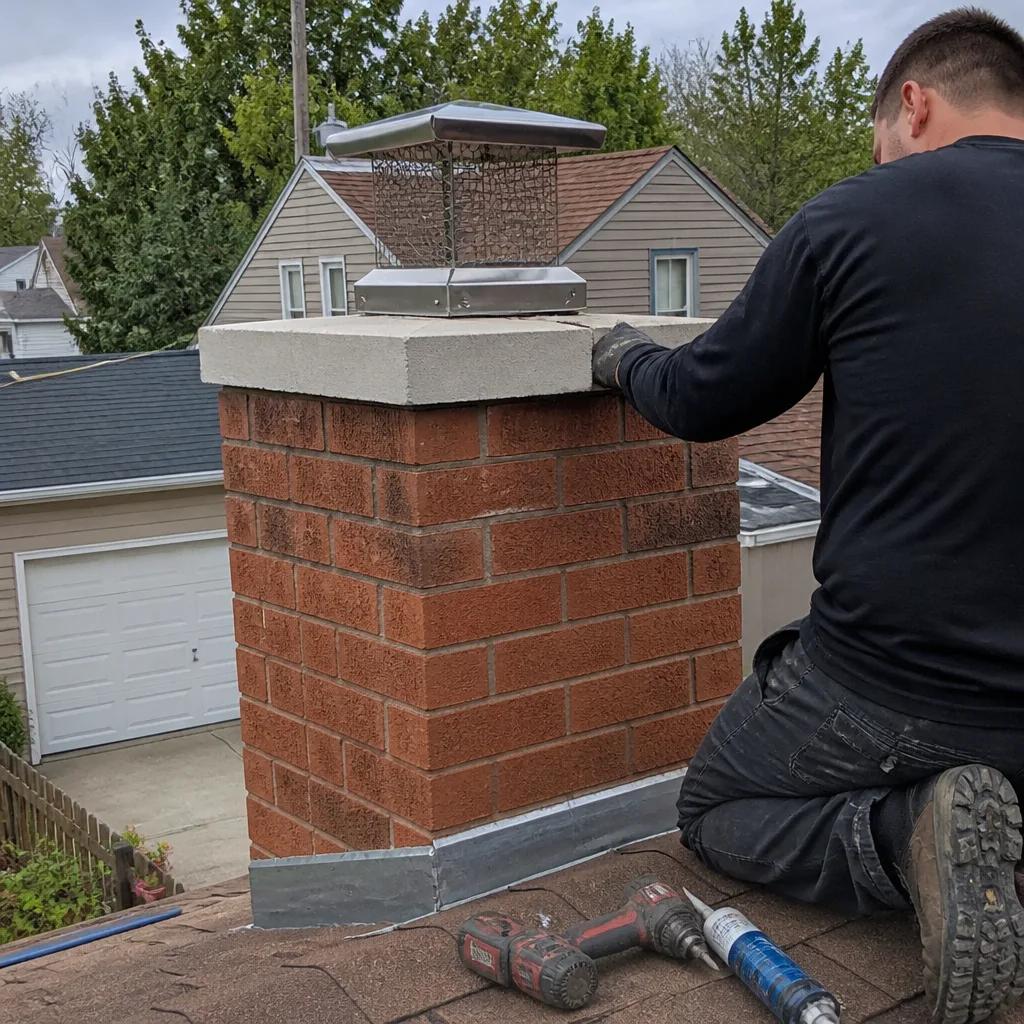
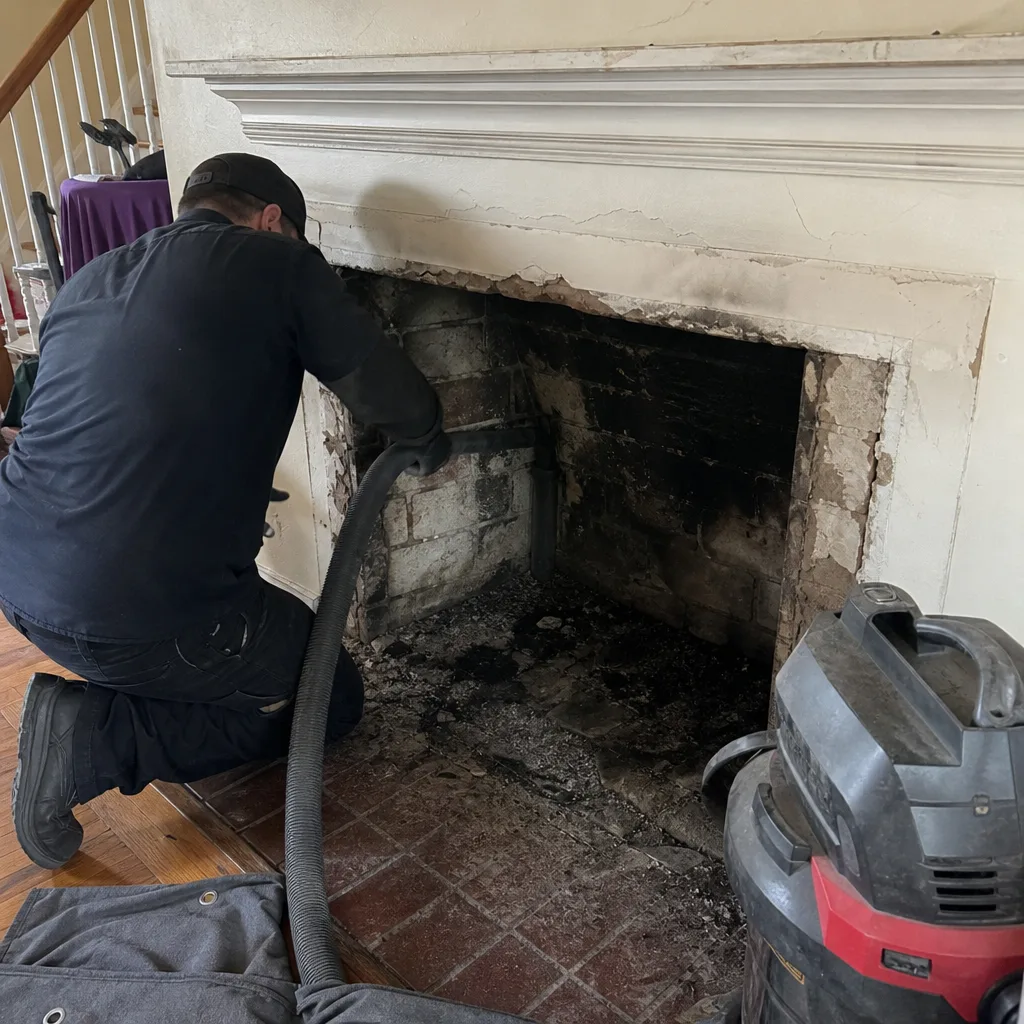
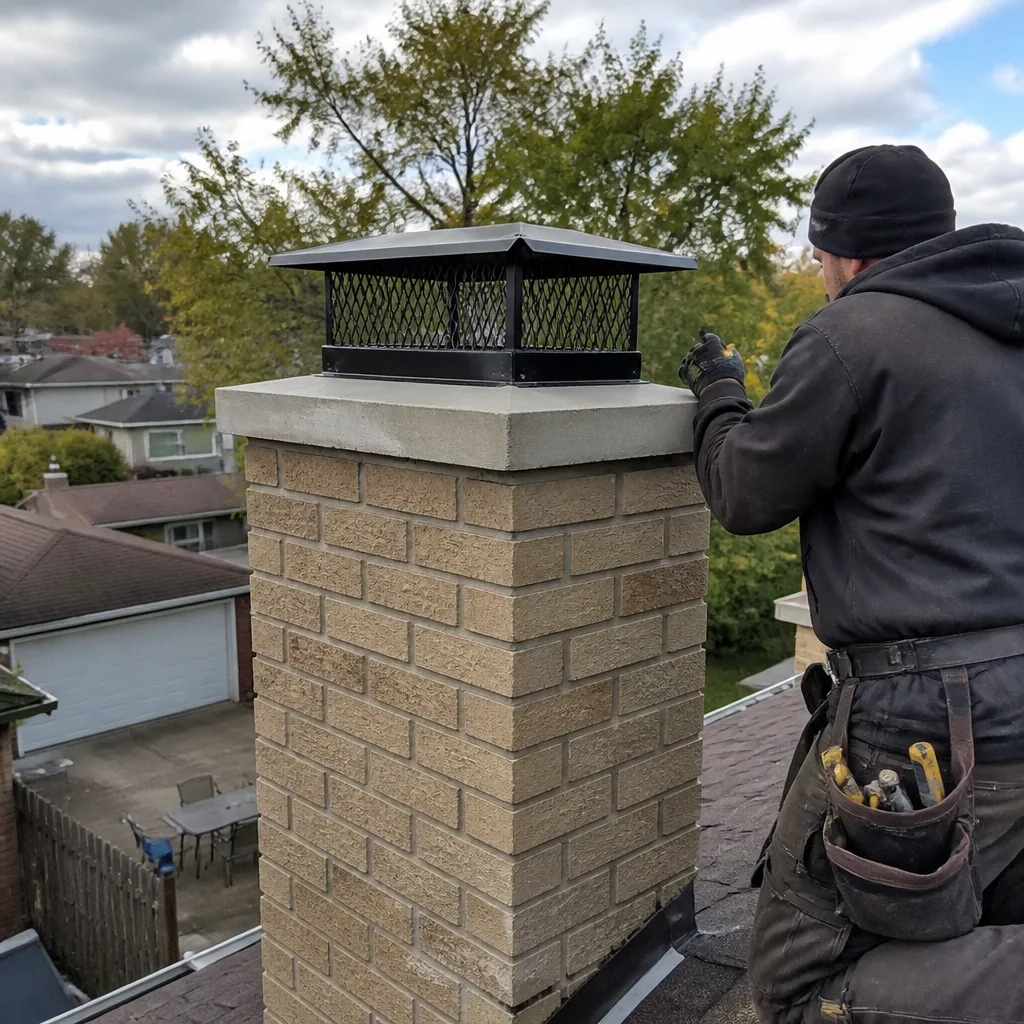
See the difference
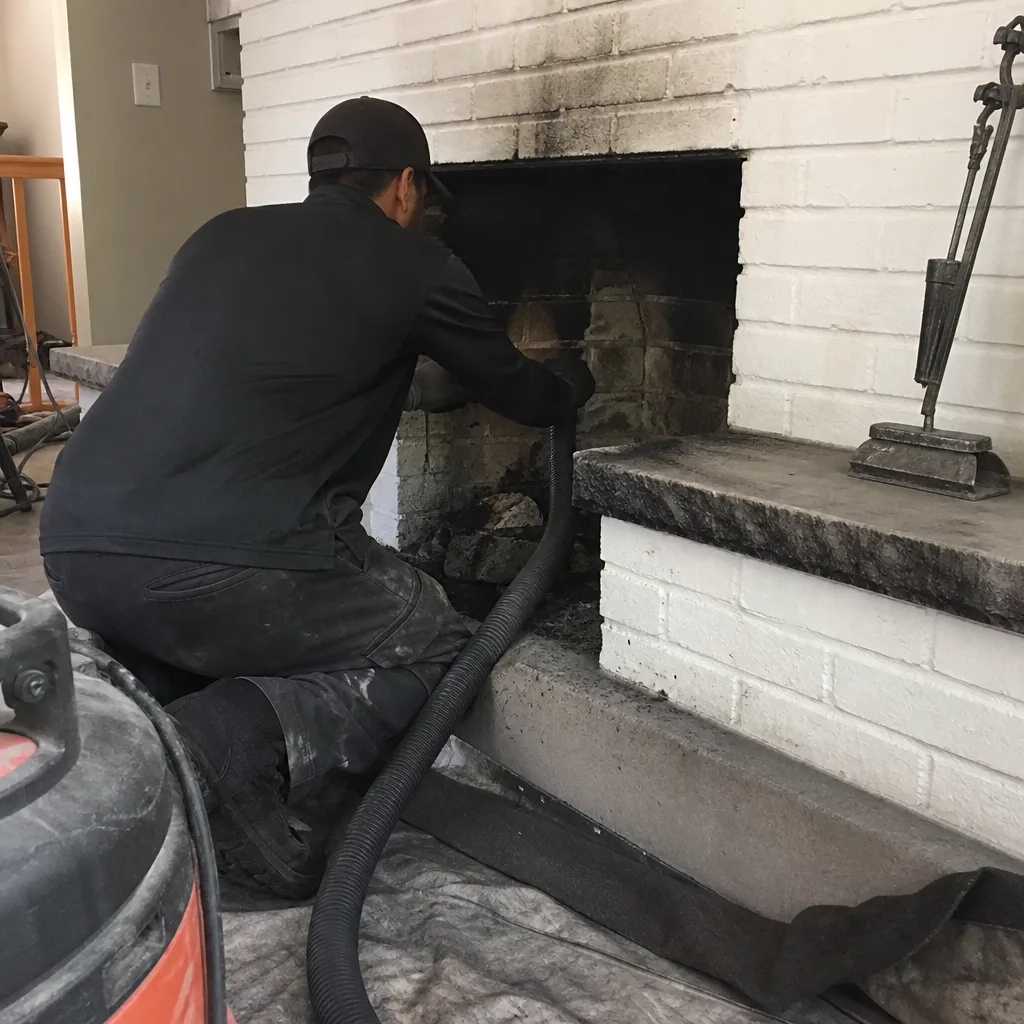 Before
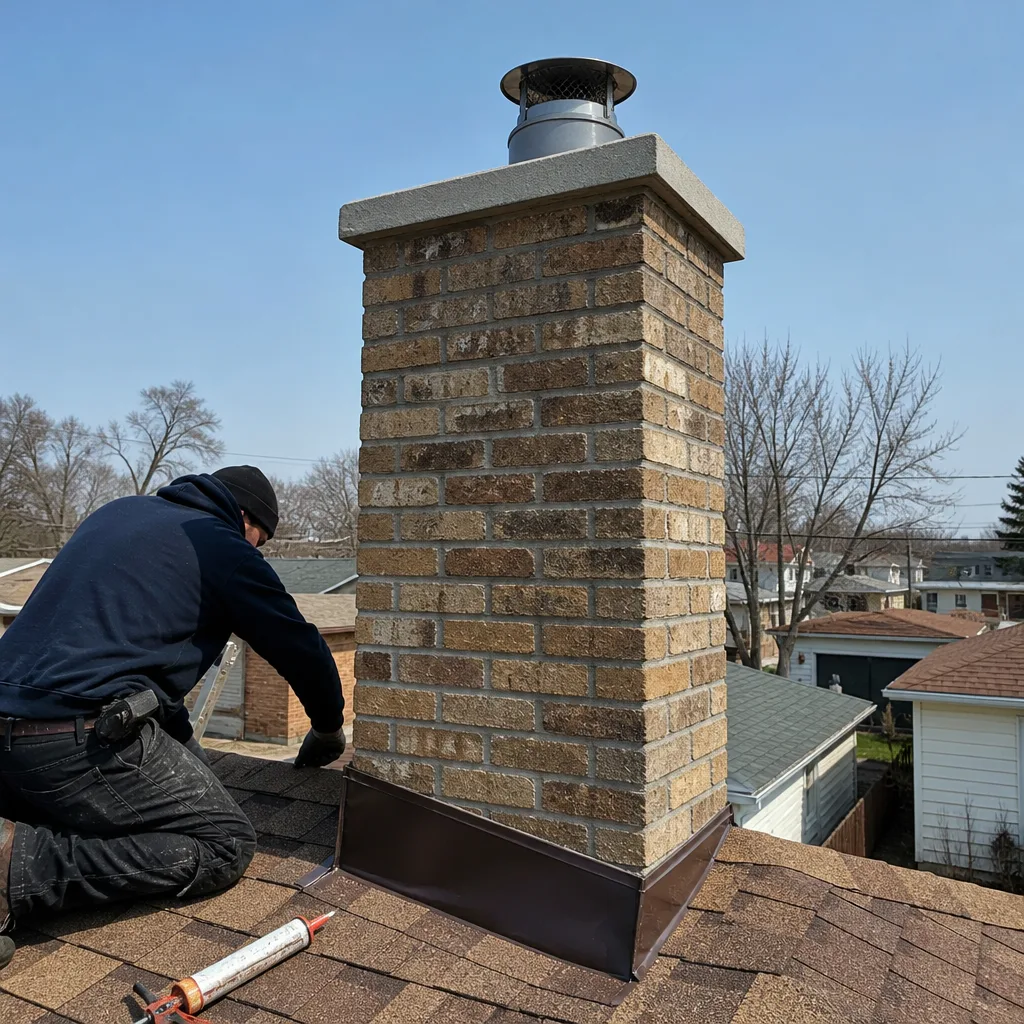 After
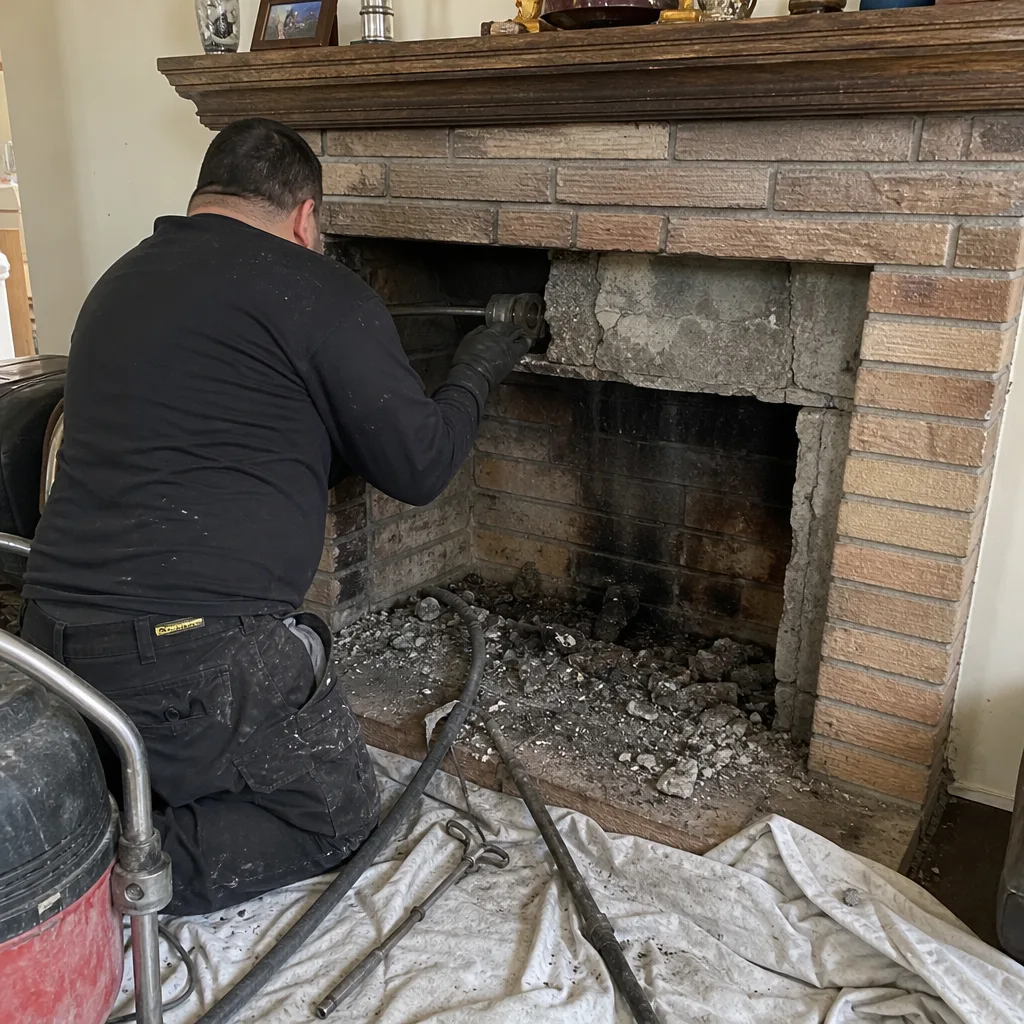 Before
 After
 Before
 After
When to Call a Professional
Some troubleshooting steps are safe to try: open the damper, clear visible debris from the firebox floor, run the match test, inspect the cap from the ground with binoculars. But if you see crumbling mortar, flaking clay, water stains, or any sign of animal activity, stop and call. A damaged flue is not a DIY repair. High-temperature gases and carbon monoxide depend on the liner’s integrity, and a crack you can’t see from the ground can still be dangerous. The same applies to slow draw that persists after your pressure checks, and any backdraft you can’t explain. Wexford Chimney Sweep offers free estimates in Cicero, call (866) 361-2607.
Frequently Asked Questions
Run the match test at the fireplace opening. If smoke rises into the chimney with all fans off and windows closed, airflow is adequate and a blockage is less likely. If smoke leans toward the room, look for debris, nests, or creosote buildup. A professional inspection with a camera confirms what a visual check from below cannot.
A fresh sweep removes loose creosote but doesn’t stop the air exchange that carries odor into your home. The smell in summer typically comes from a damper that leaks or a chimney cap that’s missing or undersized. The right cap or a top-sealing damper stops the air movement that carries the odor.
Sometimes. If the draft problem comes from creosote, debris, or a clogged spark arrestor, a sweep fixes it. If the flue is undersized, the chimney is too short, or the home’s negative air pressure is pulling smoke back, the fix is repair work: a liner, a cap change, or a pressure correction. A full-service chimney company like Wexford Chimney Sweep can do both a sweep and a repair in one visit.
Diagnostic visits vary by company. Our free estimates cover the basics of what’s wrong and what we’d recommend. A sweep with a full inspection in Cicero typically starts the conversation, and any repair work is quoted on a flat-price basis before we begin, so there are no surprises. Call (866) 361-2607 to talk through what you’re seeing.
In many cases, the liner can be restored rather than replaced. We use HeatShield, which allows resealing of damaged flue liner sections without a full reline, when the damage is limited and accessible. When a flue is too far gone, a new DuraFlex liner is the standard for retrofit installation. The right answer depends on a camera inspection of the flue, and we never recommend a repair without letting you see the footage yourself.
Yes. We work throughout Cicero and the surrounding neighborhoods, and we also handle dryer vent cleaning as part of our full-service offering. Both your chimney and your dryer vent are fire risks; both deserve a specialist. If you need chimney repair in Cicero, we handle that in-house as well.
The Bottom Line
Chimney problems have overlapping symptoms, and guessing leads to wasted money. Backdraft can mean creosote or negative air pressure. Odor can mean a dirty chimney or a leaking damper. Slow draw can mean debris or a flue that’s the wrong size. The match test and basic visual checks tell you which route you’re on. For the rest, hire a chimney specialist, not a generalist. One company for your chimney and your dryer vent, both are fire risks, both deserve a specialist. Chimney sweep in Cicero means a proper diagnosis first, a sweep second, and a repair only if the evidence calls for it. That’s how a chimney should be treated.
Written by the team at Wexford Chimney Sweep, serving Cicero since 2013.