
Last updated October 30, 2026
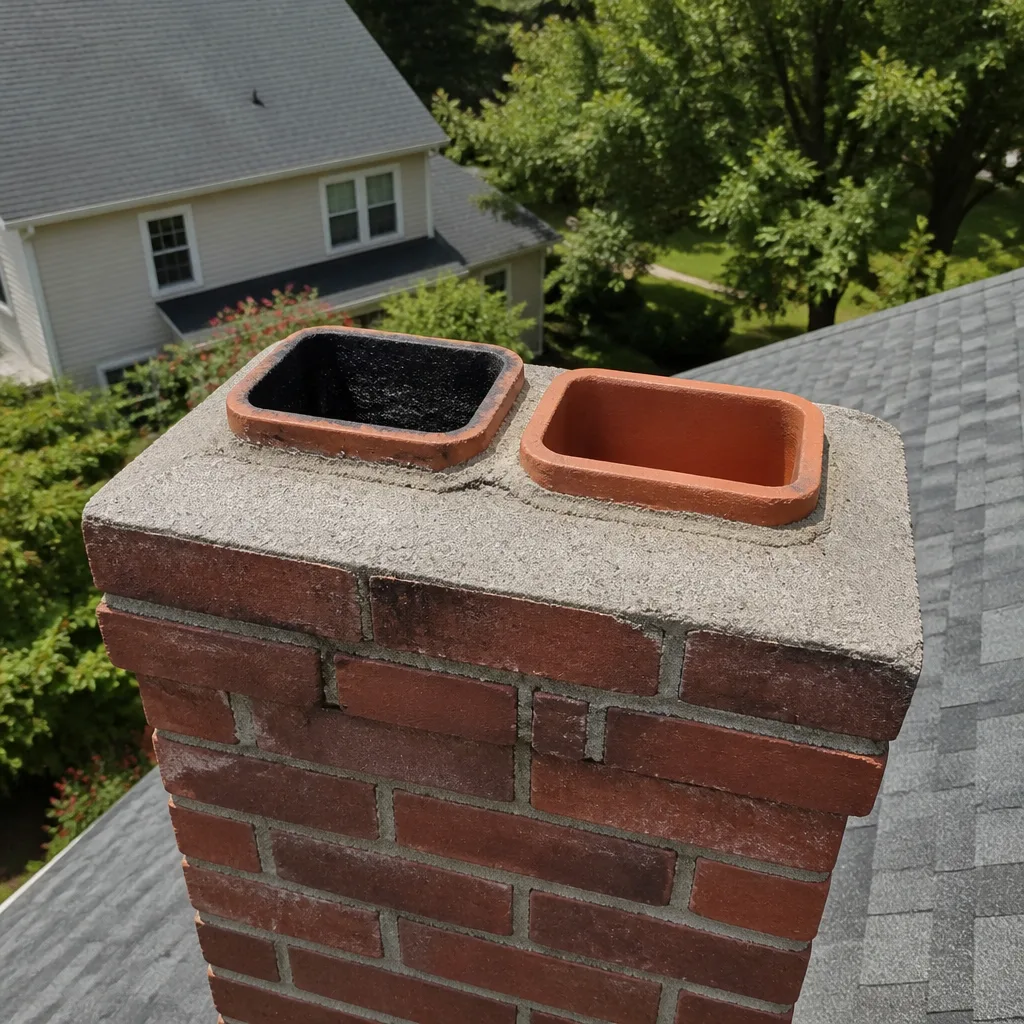 Sweep & inspection
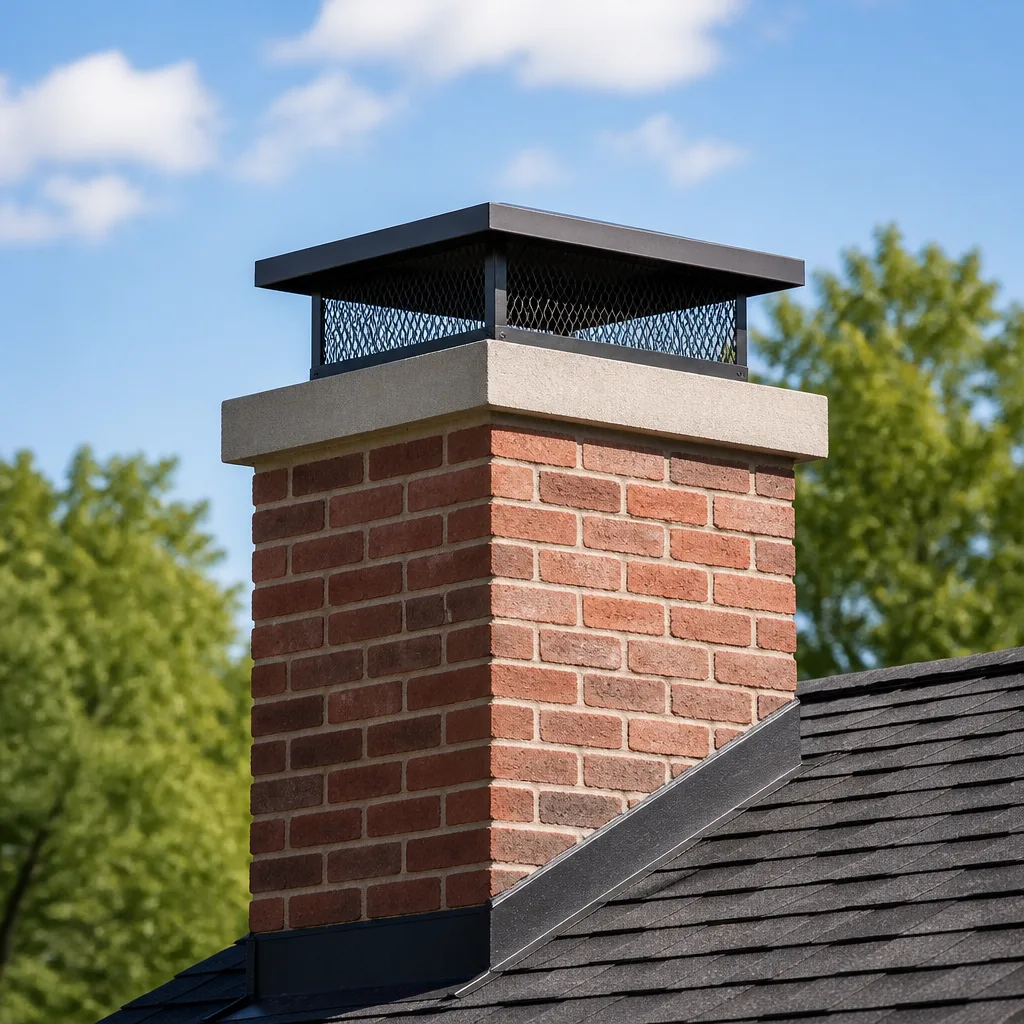 Caps & crowns
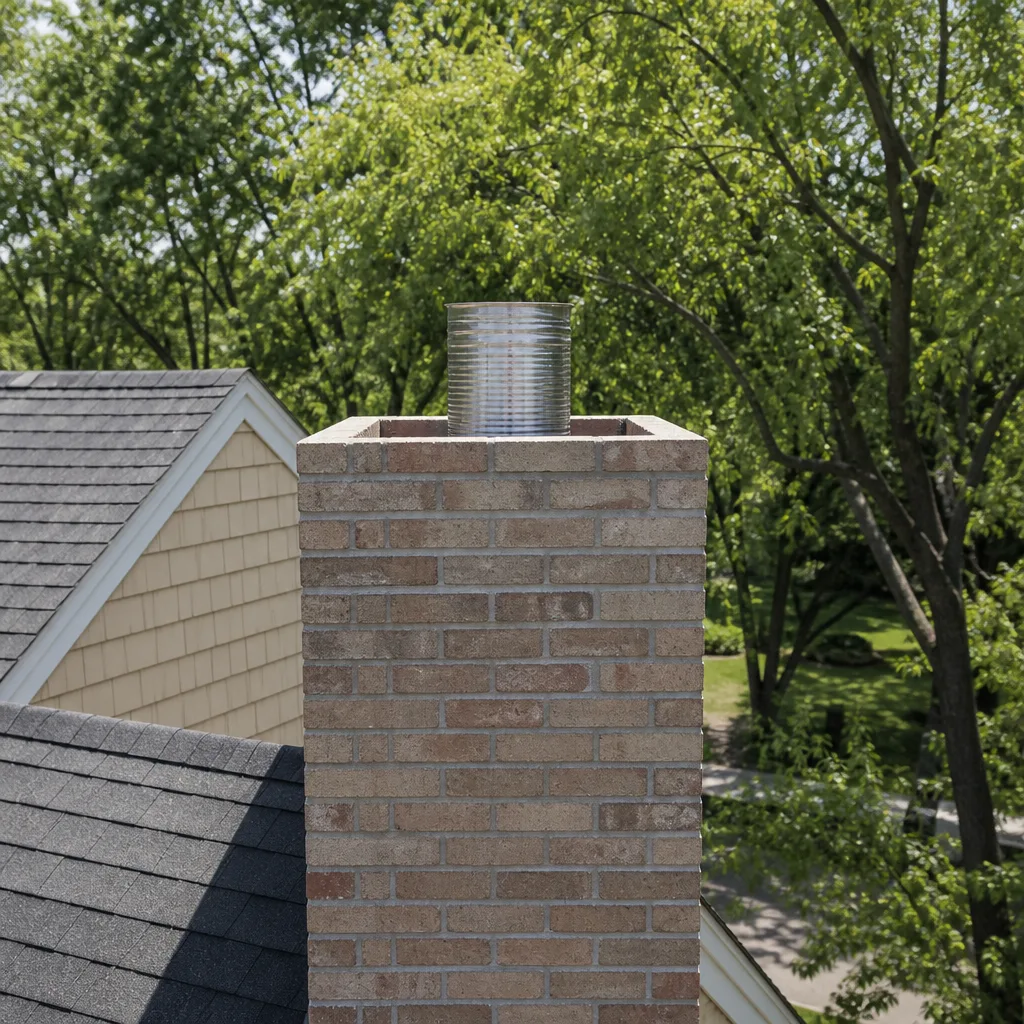 Flue relining
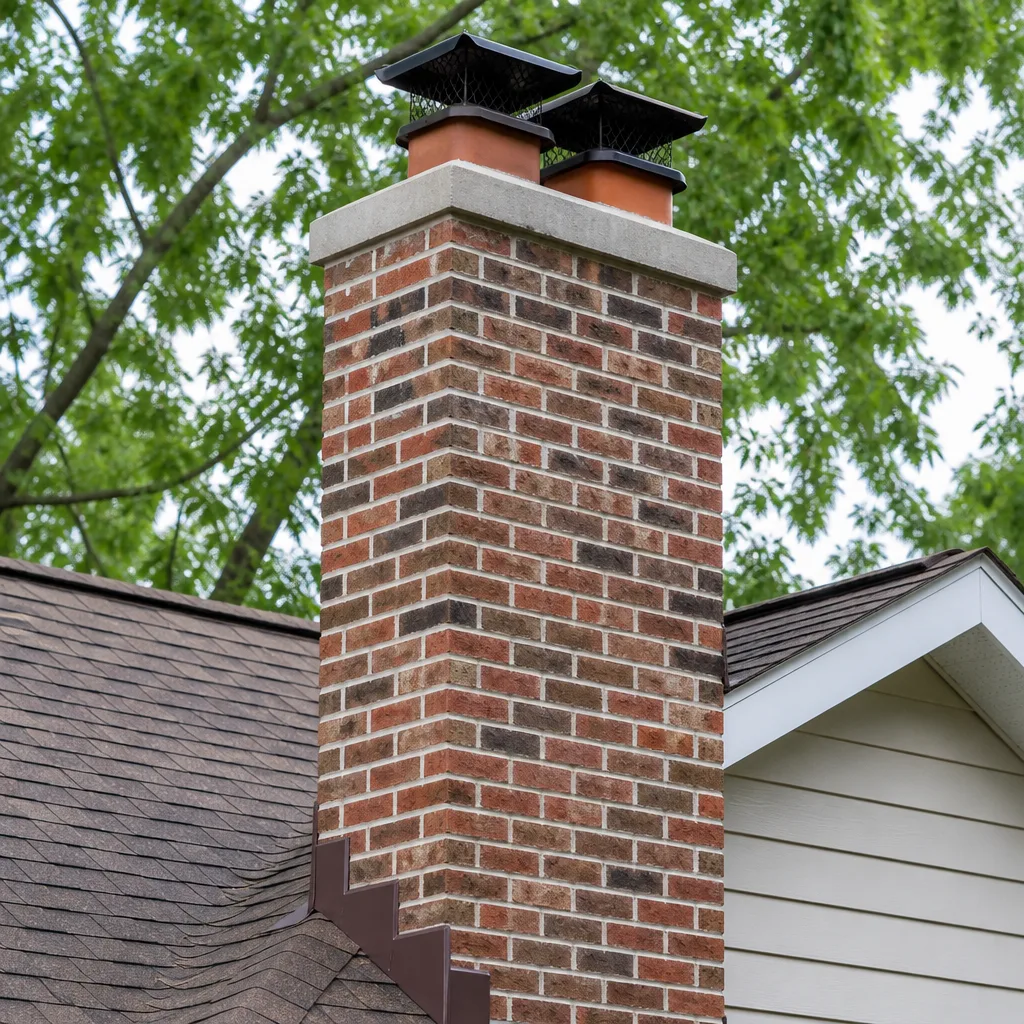 Masonry repair
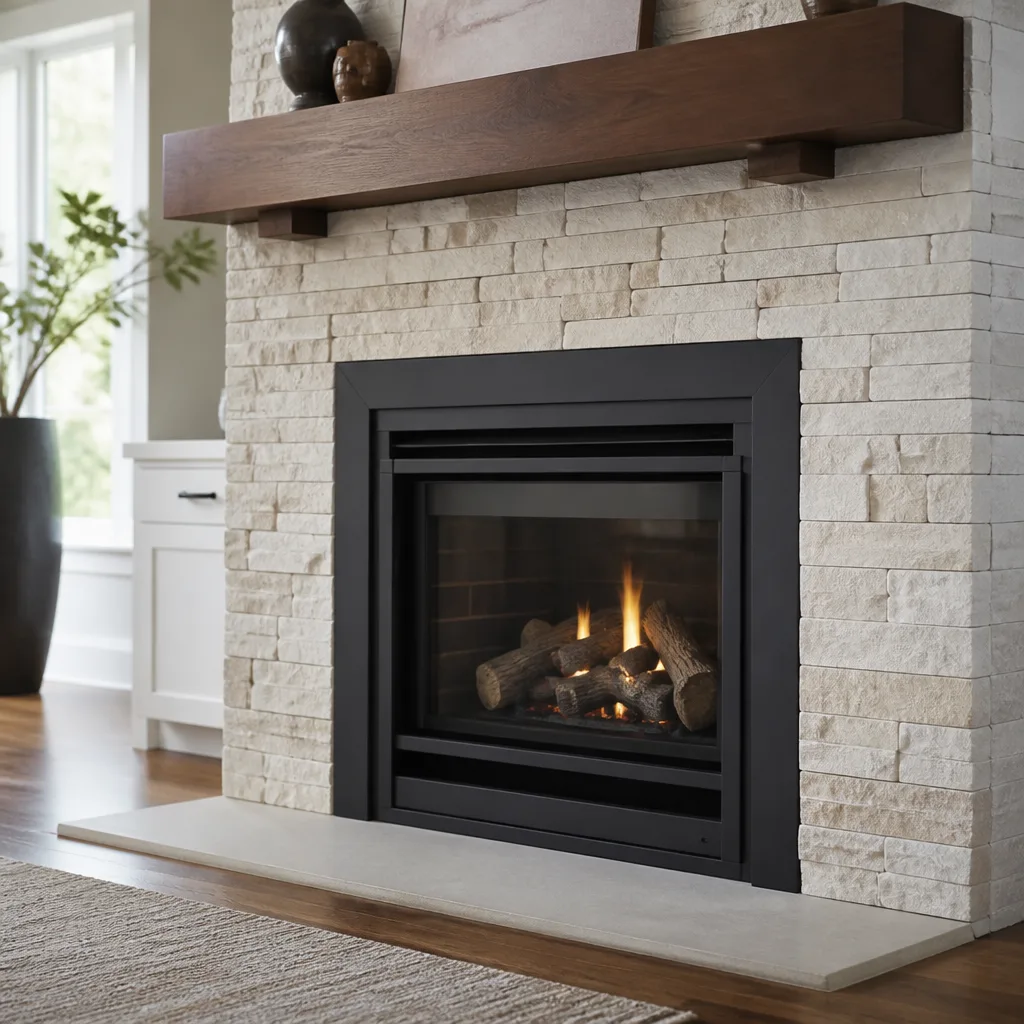 Gas fireplace service
Level 1 sweep and inspection to the NFPA 211 annual standard - flue, crown, cap, and flashing checked and photographed
Chimney sweep logs do not sweep chimneys. They loosen some creosote - which then falls where a brush and vacuum still have to collect it.
How to Hire a Chimney Cleaning Contractor in Cicero: A Step-by-Step Guide
A chimney sweep who can’t tell you the difference between third-degree creosote and glazed creosote – and explain why the removal method differs – has no business on your roof. That distinction isn’t trade trivia. It’s the dividing line between someone who removes flammable residue and someone who actually understands what they’re looking at in a flue. Cicero homeowners face a specific hiring problem: general handymen, roofers, and HVAC companies all advertise chimney cleaning as a side service, and from the ground, they all look the same. This guide gives you a specific vetting framework to separate trade specialists from generalists before anyone sets foot on your property, and you can explore more guides & resources once you’ve finished. By the end, you’ll know exactly what to ask, what to verify, and what red flags should end a quote visit immediately.
Styles & brands we work with
Quick Answer
To hire a chimney cleaning contractor in Cicero, verify CSIA certification directly on the CSIA website, confirm the contractor carries general liability insurance that covers roof work, ask whether they use a camera inspection system with a written report (not just a brush-and-go visit), and get a flat-price sweep quote before booking. Avoid any quote under $99 in the Cicero market – it almost always signals an upsell trap or an uncertified operator. The right contractor will answer all five vetting questions below without hesitation and will show you visual proof of anything they recommend.
Table of Contents
- Why the Specialist vs. Generalist Distinction Matters in Cicero
- The Five Questions to Ask Before Booking
- How to Verify CSIA Certification Directly (Not Just Take Someone’s Word)
- Why a $99 Chimney Sweep in Cicero Is Almost Always a Trap
- The Difference Between a Chimney Sweep and a Chimney Restoration Contractor
- Red Flags During the Visit Itself
- What Cicero Homeowners Specifically Need to Know
- Common Mistakes to Avoid
- When to Call a Professional
- Frequently Asked Questions
- The Bottom Line
Why the Specialist vs. Generalist Distinction Matters in Cicero
Cicero’s housing stock tells the story. Most homes in this town were built between the 1920s and 1960s – brick bungalows and two-flats with masonry chimneys that have now seen sixty to a hundred Illinois winters. That’s six to ten decades of freeze-thaw cycles working on mortar joints, rain and snow entering through cracked crowns, and creosote building up inside flues that were designed for different burning habits than the way we use fireplaces today. A generalist who spends most of their week installing gutters or servicing furnaces doesn’t have the repetition time on these older Cicero chimneys to spot the early warning signs of spalling brick, a cracked flue tile, or a failing crown, as detailed in our Seasonal Chimney Cleaning Care for Cicero: Year-Round Homeowner’s Guide.
We’ve walked into Cicero homes after a handyman “cleaned” the chimney and found creosote still glazed to the flue walls, birds’ nests partially blocking the passage, and no inspection report of any kind. The homeowner paid less and got almost nothing for it, except the false belief that the fireplace was safe to use. The problem with hiring a generalist isn’t just a worse cleaning. It’s the safety assumption that follows. You light a fire thinking the flue is clear, and the residue left behind becomes the fuel for a chimney fire.
A specialist’s value shows up in what they carry and what they know. A trade-specific chimney company arrives with rotary cleaning heads for glazed creosote, camera systems for flue inspection, and the ability to recognize a compromised liner mid-visit. If repair is needed, the specialist can either fix it on the spot or schedule a follow-up with the same crew – not hand you a referral card to someone you’ve never met. That continuity matters when the recommendation involves fire safety.
For Cicero homeowners specifically, the distinction is practical. Older chimneys hide problems. A generalist sees a dirty flue. A specialist sees the draft issue, the mortar deterioration, the cap that’s letting rain in, and the creosote stage that determines whether it needs mechanical removal or chemical treatment. You’re not paying for a person with brushes. You’re paying for a person who knows what they’re seeing in a hundred-year-old chimney. Start with Chimney Sweep in Cicero as your baseline for what a specialized cleaning should include, then use the questions below to vet any contractor against that standard.
The Cicero Market Reality
Cicero sits between Berwyn, Oak Park, and the western edge of Chicago. It’s a dense urban-suburban mix, which means two things for chimney work. First, there’s no shortage of contractors willing to cross town for a job, which creates price competition. Second, that competition includes plenty of generalists and franchise-based cleaning services that treat chimneys as a volume business. A franchise model works fine for carpet cleaning. It’s a problem for fire safety, because the technician’s training is often a two-week course, not years of flue-specific work.
The specialist distinction also matters for what happens after the sweep. If a technician finds a cracked flue liner and that company doesn’t do repairs, you’re now responsible for finding a second contractor, getting a second quote, and coordinating two visits. Meanwhile your fireplace sits unusable. A full-service company handles the finding and the fix. That’s the difference between a diagnosis and a solution.
The Five Questions to Ask Before Booking
These five questions are your hiring interviews. They work as well over the phone as in person, and every legitimate chimney professional answers them without needing to think. If you get hesitation, deflection, or “we’ll check when we get there,” keep looking. Here’s what to ask, in order, and why each question separates specialists from the rest.
1. “What certification do you hold, and can I verify it?”
The gold standard in the chimney industry is CSIA – the Chimney Safety Institute of America. A CSIA-certified sweep has passed an exam covering inspection methods, fire codes, clearances, and the chemistry of creosote and combustion. The certification isn’t a lifetime credential, either. It requires continuing education and recertification, which means the person on your roof has current knowledge, not training from a decade ago. If a contractor tells you they’re certified, you verify it yourself, directly on the CSIA website. More on that verification process below. If they’re not certified, that doesn’t automatically rule them out, but it’s a mark against them, and you should ask what other chimney-specific training they have.
2. “What’s your insurance coverage, and can you show me the certificate?”
Roof work is high-risk work, and you want a contractor who carries general liability insurance that specifically covers roof and chimney operations. If a worker falls off your roof and the company isn’t insured, your homeowner’s policy can be on the hook. Ask for a certificate of insurance and check that the policy is current and covers the type of work being done. Don’t accept “we’re insured” as an answer. Licensed and insured are two different things, and while licensing is important, insurance is what protects you and the workers when something goes wrong on a steep pitch or a rainy day.
3. “What does your inspection documentation look like?”
A professional sweep should deliver a written report, ideally with photos from a camera inspection. The report documents the condition of the flue before and after cleaning, notes any deficiencies found, and supports any repair recommendations with visual evidence. If a contractor says they just do a visual check from the roof or the fireplace opening, that’s a downgrade. Modern chimney sweeps use camera systems that go inside the flue, showing you cracks, creosote buildup, and liner damage that no visual inspection can reach. A company that doesn’t offer camera inspection is using the same inspection methods as fifty years ago. The industry has moved on.
4. “What tools and methods do you use for different creosote stages?”
This is the specialist test. First-degree creosote is flaky and brushable. Second-degree is tar-like and needs more aggressive mechanical removal. Third-degree, also called glazed creosote, is a hard, shiny coating that won’t come off with a standard wire brush – it needs rotary chains or specialized chemical treatments. Ask the contractor to describe their removal method for glazed creosote. A specialist can explain it in ten seconds. A generalist will say something vague about “powerful brushes” and hope you don’t notice. The tool inventory matters because it shows whether they’re equipped for the worst case or only the easy one. A company carrying professional rotary systems and the right chemical line has invested in solving difficult jobs, not just fast ones.
5. “If you find a problem during the sweep, what happens next?”
This question reveals whether you’re working with a cleaning crew or a full-service chimney company. The answer you want is something like: “We document it with the camera, show you the photos, give you a recommendation, and we can handle the repair ourselves if you want us to.” That’s what full-service looks like. For example, Chimney Repair in Cicero covers structural fixes ranging from crown repair to liner work, so problems found during a sweep don’t get handed off to a stranger. The answer you don’t want: “We’ll give you the name of a guy who can handle that.” That’s a diagnosis-and-abandon visit, and it leaves you in the same position you were in before the sweep – finding another contractor, doing another round of vetting, and waiting another two weeks for resolution.
How to Verify CSIA Certification Directly (Not Just Take Someone’s Word)
The CSIA website maintains a public lookup tool that lets you search for certified chimney sweeps by name, company, or location. It’s the only way to verify a certification claim. A logo on a van means nothing. A logo on a business card means nothing. Even a framed certificate on the wall can be outdated or simply printed by anyone with a color printer. The verification process takes about two minutes, and it’s the strongest single check you can run before hiring a Cicero chimney contractor.
Step-by-Step Verification
- Go to the CSIA website, specifically the “Find a Certified Sweep” section.
- Enter the company name or the individual technician’s name. Certifications are issued to individuals, not companies, so if the company lists a specific person as their certified tech, search that person’s name.
- If you’re searching by location, enter Cicero, IL, or the broader Chicago metro area.
- Review the results. The listing will show the person’s certification status and any additional credentials, such as CSIA Certified Dryer Exhaust Technician.
- If the person isn’t in the database, ask the contractor for an explanation. Some sweeps hold certifications from other organizations, like the National Fireplace Institute (NFI), but CSIA is the most widely recognized in the chimney industry.
The key point is who does the verification. You, not the contractor. A company that claims certification but doesn’t appear in the lookup tool is either using an uncredited technician, operating on an expired certification, or misrepresenting itself. None of those are situations you want on your roof.
One more thing on this: the person who actually shows up to your home should be the certified individual. Some companies list a certified owner on the website while sending uncertified trainees to every job. Ask who specifically will be doing the work and verify that person’s name. If the answer shifts during the booking process, that’s a signal worth taking seriously.
Why a $99 Chimney Sweep in Cicero Is Almost Always a Trap
Let’s look at the economics of a $99 chimney sweep. A professional sweep in the Chicago metro area takes between sixty and ninety minutes of actual labor, not counting travel time to the home and back to the shop. With a certified technician earning skilled-trade wages, plus the cost of equipment maintenance, insurance, and the vehicle, the math doesn’t work. A company charging $99 isn’t losing money on the sweep out of generosity. They’re using it as a loss leader to get on the roof and find expensive problems to sell.
Here’s the mechanics of the trap. The $99 crew arrives, does a fast sweep, and then tells you the flue liner is cracked or the crown is failing or the flashing needs replacement. Sometimes these findings are legitimate. Often they’re exaggerated, and occasionally they’re fabricated outright, backed by blurry photos from a cheap camera that show nothing verifiable. Since the homeowner has no way to evaluate the claim, many pay up for “necessary” repairs that weren’t necessary at all, or that were quoted at dramatically inflated prices.
There’s a broader pattern worth understanding. Companies that advertise $99 sweeps are typically franchise operations or generalist platforms that subcontract the work to local technicians. The technician’s pay is structured around commission on upsold repairs, not quality of the cleaning. The incentive isn’t to leave your chimney in great shape. It’s to find a problem they can sell a solution to. In Cicero’s older housing stock, with its aging masonry and original clay liners, there’s almost always something visually concerning to a homeowner with no training. The low-ball price buys access to that leverage.
What should a flat-price professional sweep cost in the Cicero market? Expect a range of roughly $150 to $300 for a standard open-masonry fireplace sweep, with prefabricated fireplaces and wood stoves usually falling in a similar band. Additional services like a camera inspection, creosote treatment for glazing, or a dryer vent cleaning add line items. A reputable company gives you that price before booking. No surprises, no rooftop upselling pressure, and no last-minute “while we’re up here” additions.
The Difference Between a Chimney Sweep and a Chimney Restoration Contractor
These are two different service tiers, and understanding when you need each – or when you need both – saves you time and money. A chimney sweep cleans. A restoration contractor evaluates and repairs structural and functional deficiencies. In the best case, they’re the same company. That way, when the sweep reveals a problem, the fix happens without a break in communication.
A proper professional sweep involves mechanical removal of creosote and soot from the flue, smoke chamber, and damper area, followed by an inspection. The inspection is the most important part of the visit. Without it, cleaning alone doesn’t tell you if the chimney is safe to use. A Level 1 inspection is the standard for a chimney that’s been regularly maintained and hasn’t changed use. A Level 2 inspection, which includes camera work, is appropriate when the chimney has seen a chimney fire, a change in fuel type, a new liner installation, or a real estate transfer. Cicero buyers should ask for a Level 2 inspection before closing on a home with a masonry chimney, because the condition of the flue is invisible during a standard home inspection.
Restoration work covers the structural side. This includes tuckpointing crumbling mortar joints, rebuilding crowns, repairing or replacing dampers, waterproofing masonry, and replacing or restoring the flue liner itself. A few of these jobs demand specific product knowledge. Stainless steel liner installation, for example, involves systems like DuraFlex – the flexible liner standard used by most contractors for retrofit relining. Liner repair, as distinct from liner replacement, can sometimes be handled with a specialty method like HeatShield, which restores a damaged clay liner in place without a full reline when conditions allow. These aren’t products a generalist carries. They’re manufacturer-specific systems requiring product training, and only chimney restoration specialists stock them.
Here’s the practical takeaway for a Cicero homeowner: when the same company that sweeps your chimney also carries professional-grade restoration materials like DuraFlex, HeatShield, and Copperfield, a problem found during the sweep can be solved by the same crew in a follow-up visit or sometimes the same day. You’re not coordinating two contractors. You’re not re-explaining the diagnosis. You’re not hoping the second company sends someone equally qualified. That continuity is what a full-service specialist offers over a cleaning-only operation.
Red Flags During the Visit Itself
You’ve done the vetting. The contractor passed the phone interview and the certification check. The visit day arrives, and you should still be watching. What happens during the appointment tells you whether the company is as professional as their website suggests. Here are the specific things that should make you stop the visit or decline the repair recommendation.
No Drop Cloths or Surface Protection
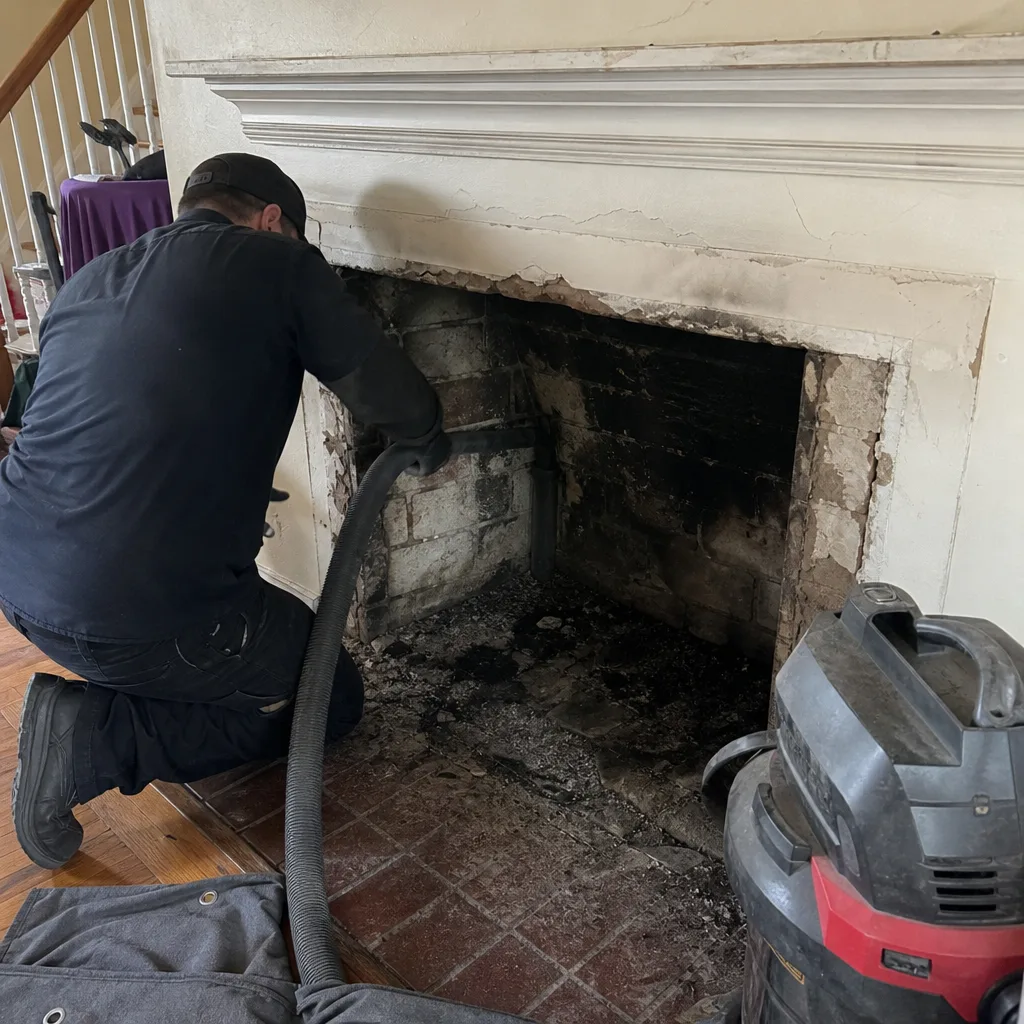
A professional sweep moves soot, creosote dust, and debris out of your fireplace and down through your living space. Without drop cloths, that material lands on floors, furniture, and whatever else is nearby. Professional companies lay protection from the fireplace to the exit path. If the technician sets up with nothing between the fireplace and your living room rug, that’s a signal about how they operate the rest of the job. It’s not a cosmetic issue. It’s an indicator of process discipline.
No Camera Inspection Offered
A camera inspection is now standard practice for any sweep on a chimney that hasn’t been recently inspected. If the technician never mentions it, or deflects when you ask, you’re getting an incomplete service. The bare minimum for a professional visit is a visual assessment with a bright light plus the mechanical brushing. But “visual assessment” from the rooftop or through the fireplace opening misses defects that a camera catches. If the company’s own tool kit doesn’t include a camera, that’s clearer proof still.
No Written Report
At the end of the visit, you should receive documentation: condition before, work performed, condition after, and any recommendations for repair or maintenance. If the technician’s entire report is verbal – “looks good, you’re all set” – that’s not a report. It’s a goodbye. Reputable companies provide written records, often with photos, because they know the documentation protects both parties and gives the homeowner a baseline for the next visit.
Same-Day Pressure on Repairs
This is the big one. A legitimate finding can usually wait a few days for you to research, get a second opinion, or simply sit with the decision. If a technician finds a problem and pushes you to approve the repair on the spot – “I can do it today for $2,400, but if I come back it’ll be $3,100” – that’s sales pressure, not safety advice. There are exceptions: a totally blocked flue is a genuine safety hazard and shouldn’t be used until fixed. But most repair recommendations, even serious ones, can wait a week without new risk. A professional tells you what should be done and lets you decide on your own timeline. Someone creating artificial urgency is selling, not advising.
Waiving or Discounting the Inspection If You Buy the Repair
This sounds like a deal. It’s actually a conflict of interest. If the company’s incentive is structured so that the inspection fee disappears when you approve a repair, the inspection becomes a sales tool rather than an honest assessment. Pay for the inspection. Get the recommendation in writing. Then evaluate the repair on its own merits, on your own timeline.
What Cicero Homeowners Specifically Need to Know
Every housing market has its own chimney profile, and Cicero’s is defined by age, masonry, and Midwestern weather. Understanding these factors helps you evaluate what a contractor tells you about your fireplace and when maintenance is genuinely due.
Older Masonry Chimneys Hide More Problems
Cicero was largely built out by the mid-20th century. The town’s brick bungalows, frame two-flats, and small apartment buildings often have original clay-tile liners that have been in service for sixty, seventy, or eighty years. Clay liners crack over time from thermal stress and weather exposure. Once cracked, the flue is no longer safely containing combustion gases, and the gaps become collection points for creosote. In our experience across Cicero’s older housing stock, cracked liners rarely announce themselves. The fireplace looks fine from the living room. The camera inside the flue is what tells the real story.
Freeze-Thaw Cycles Accelerate Masonry Deterioration
Illinois winters put masonry through repeated freeze-thaw cycles. Water enters small cracks in brick or crown, freezes and expands, and widens those cracks over dozens of cycles each winter. After enough years, you see the result: spalling brick face, crumbling mortar joints, and water staining on interior walls near the chimney. Cicero chimneys that are fifty-plus years old and haven’t been inspected in a decade are prime candidates for this type of deterioration. A professional inspection catches it early. Waiting until pieces of brick start falling off the roof makes the repair larger and more expensive.
Rain Caps Matter More Than Most People Realize
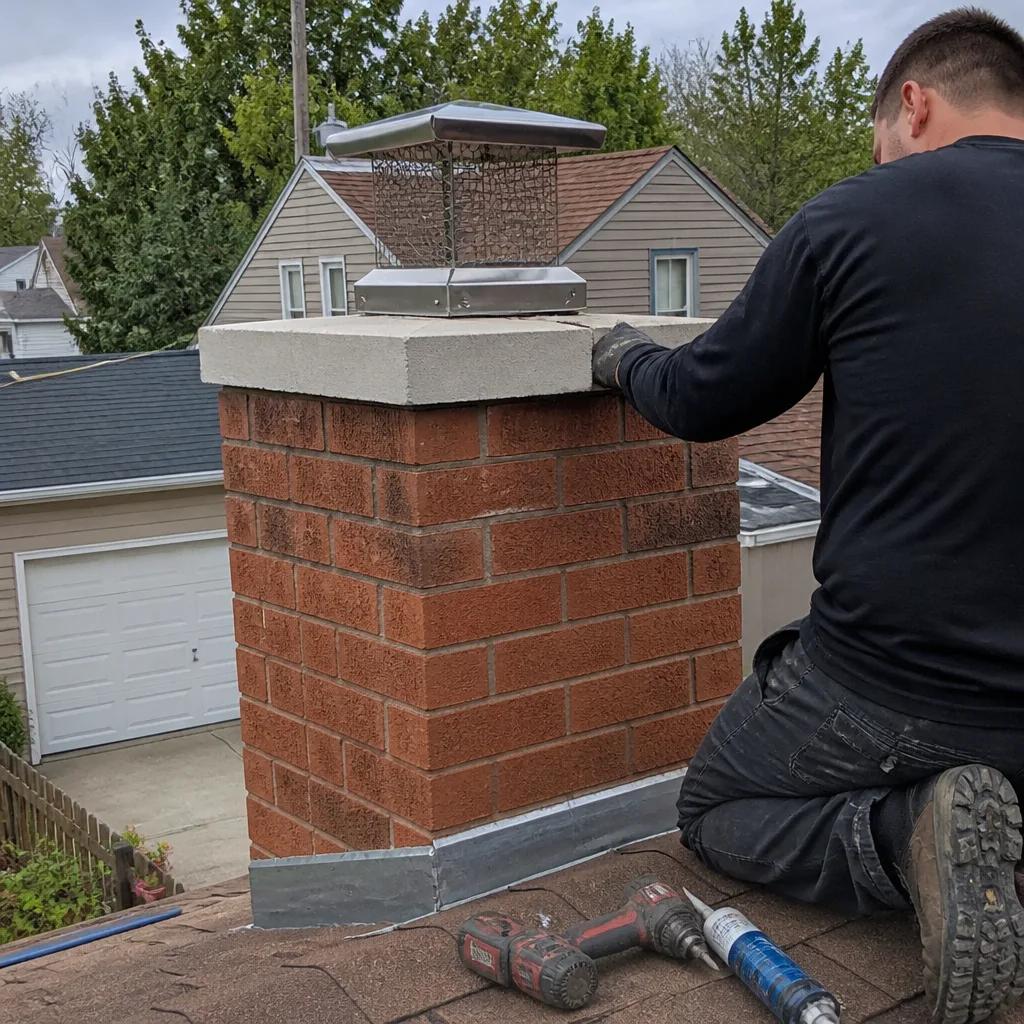
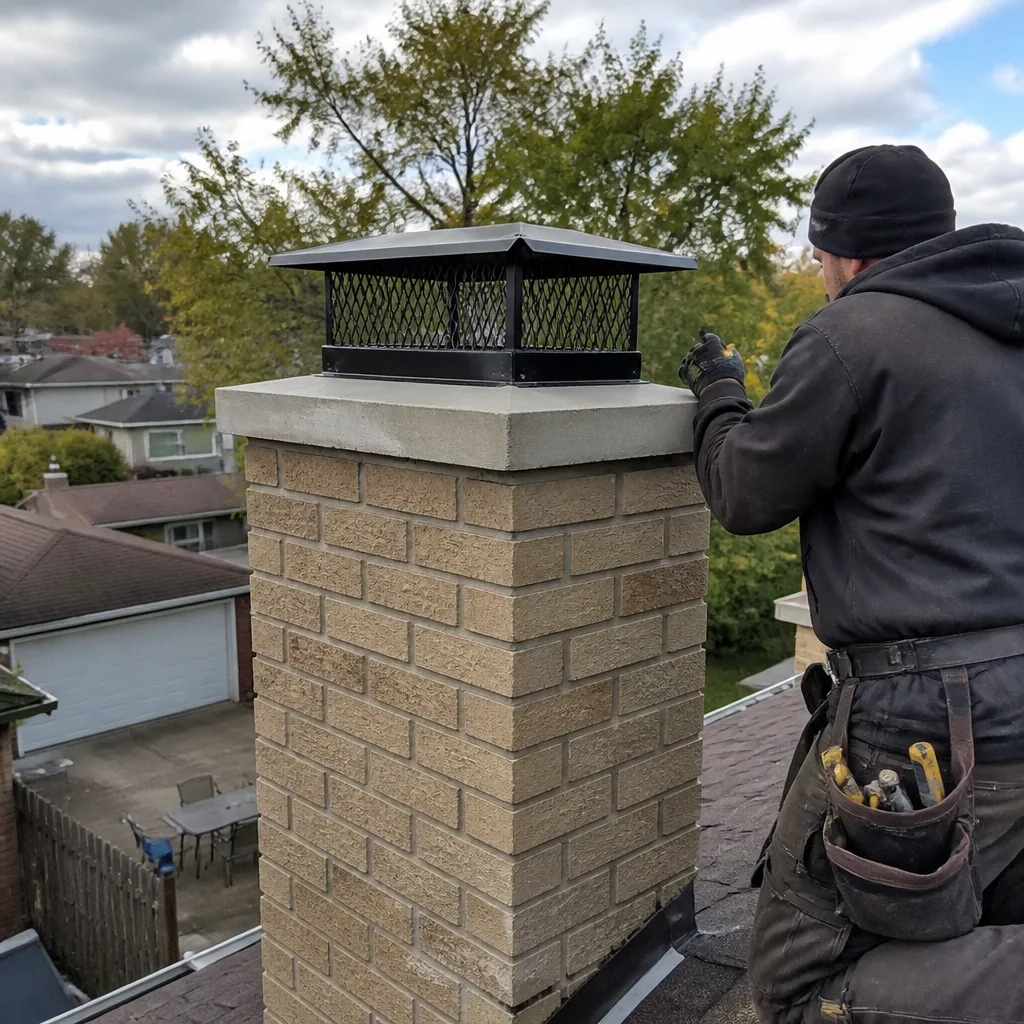
An open chimney flue is a direct pipe into your house for rain, snow, leaves, and animals. Raccoons and squirrels have plenty of tree cover in and around Cicero, and a chimney without a proper cap is an easy nesting site. The fix is simple: a properly sized cap, often from a line like Gelco or Copperfield, keeps weather, animals, and debris out while maintaining adequate draft. A contractor who notes that your chimney lacks a cap or has a damaged one and recommends replacement isn’t upselling – that’s a legitimate safety issue, and it’s one of the most straightforward preventive fixes available.
Dryer Vents Are the Other Combustion Hazard in the Same House
While you’re thinking about chimney fire risk, consider that your clothes dryer vents lint through a duct behind the wall. Lint is highly flammable, and the Consumer Product Safety Commission has estimated thousands of dryer fires annually in the U.S. In older Cicero homes with long horizontal dryer vent runs or vents terminating through the roof, lint accumulation is a real fire risk. Not every chimney company handles dryer vents, but Dryer Vent Cleaning in Cicero as a companion service to chimney sweeping is a logical pairing – both are exhaust systems, both carry combustible material, and both need periodic professional maintenance. It’s an uncommon combination in the sweep trade, but it makes practical sense for a homeowner who wants both fire hazards addressed in one visit.
Local Code and Permit Considerations
Chimney work in Cicero falls under the village’s building code, which references the International Residential Code with local amendments. For major work – liner replacement, full rebuilds, or changes to the venting system – a permit through the village’s building department may be required. A legitimate contractor handles permitting and pulls it before starting work. If a contractor tells you permits aren’t needed for structural chimney work, that’s another red flag. Always ask how the contractor handles local permits before signing anything. The answer reveals whether they do things properly or just quickly.
Common Mistakes to Avoid
- Hiring based on price alone. The lowest quote is often an estimate designed to get someone on the roof who can then find “problems” to sell. In the sweep business, the lowest price often costs the most by the time everything’s done.
- Taking a CSIA logo at face value. Logos are free to print. Verify certification on the CSIA website yourself, and verify that the person who actually shows up is the certified individual listed there.
- Skipping the camera inspection to save $50. The camera is how structural problems get identified before they become fires or carbon monoxide leaks. Saving a little now buys expensive risk later.
- Assuming a general home inspector checked the chimney thoroughly. Home inspectors do a visual check from the roof and the firebox. They can’t see inside the flue. What they miss is where chimney fires and CO leaks start.
- Approving same-day repairs without a second look. Unless there’s a genuine emergency, a repair recommendation can wait a few days. High-pressure same-day approval is a sales tactic, not a safety protocol.
- Ignoring the dryer vent because “it’s fine.” Lint fires happen in vents that look fine from the outside. If you’re having the chimney swept, add a dryer vent cleaning. It’s the other fire risk in the same house.
- Assuming every handyman with a brush is qualified. Brushes are cheap. Knowledge is not. The gap between a generalist’s brush-and-go and a specialist’s mechanical removal plus documented inspection is the gap between smoke and safety.
When to Call a Professional
If you haven’t had your chimney inspected in more than twelve months and you use the fireplace regularly, schedule a sweep and Level 1 inspection before the next burn. If you’ve moved into a new home, request a Level 2 inspection regardless of what the seller’s disclosure said. If you’ve had a chimney fire or suspect one – signs include loud cracking sounds from the chimney, dense smoke in the house, or a strong hot odor – stop using the fireplace immediately and schedule an inspection before another fire. If you’re noticing water stains near the chimney or crumbling mortar on the roof, get a professional assessment before the next freeze-thaw cycle widens the damage. And if you can’t remember the last time the dryer vent was cleaned, that’s a one-visit fix worth doing alongside the chimney. Wexford Chimney Sweep home covers all of these under one roof, and offers free estimates in Cicero – call (866) 361-2607.
Frequently Asked Questions
A professional chimney sweep in Cicero typically runs between $150 and $300 for a standard open-masonry fireplace, with prefabricated fireplaces and wood stoves in a similar range. The price should be quoted as a flat rate before booking, not an estimate that can change once the technician arrives. Any quote under $99 should be treated with skepticism – it’s almost always a loss leader designed to get someone on the roof selling repairs. Call (866) 361-2607 for an exact quote in Cicero.
The National Fire Protection Association standard is to have a chimney inspected at least once per year and swept whenever soot or creosote accumulation reaches 1/8 inch or more, or whenever glaze is present. For a wood-burning fireplace used regularly during heating season, a yearly sweep is the practical baseline. Gas fireplaces need less frequent sweeping but still benefit from an annual inspection of the venting system.
Not necessarily. A cracked clay liner is a legitimate safety issue, but replacement isn’t always the only path. In some cases, a specialty restoration method like HeatShield can restore the liner in place without a full reline, when the conditions qualify. A full stainless steel reline with a system like DuraFlex is the more common solution for severely compromised flues. Either way, the recommendation should be backed by camera photos you can see for yourself, not just a verbal claim. Any contractor who recommends liner work without showing you camera evidence should be asked to produce it before you commit.
Creosote builds up in layers. First-degree creosote is brushable. Left alone, it thickens into tar-like second-degree and eventually hardens into glazed third-degree creosote that requires specialized removal. The risk scales with the buildup: a hot fire can ignite creosote deposits, causing a chimney fire that reaches 2,000 degrees Fahrenheit – hot enough to crack liners, warp metal components, and spread to the house structure. Separately, a blocked flue from nesting animals or heavy accumulation can force carbon monoxide back into the home. Both are preventable with annual inspection.
Gas fireplaces don’t produce creosote the way wood does, but they still need annual inspection of the venting system for blockages, corrosion, and proper drafting. Gas appliances can produce carbon monoxide, and a blocked or leaking vent is dangerous. If a contractor tells you gas fireplaces need no maintenance at all, that’s incomplete advice.
Some can, but not all. A full-service chimney company that includes dryer vent cleaning gives you a single call for both of the main combustion-exhaust hazards in a home. The combination is uncommon in the sweep trade, but it’s practical: both are fire risks, both need periodic professional maintenance, and both are often overlooked by homeowners. If you’re scheduling a chimney sweep and can’t remember the last dryer vent cleaning, ask whether it can be added to the same visit. Call (866) 361-2607 to find out.
The Bottom Line
Hiring a chimney cleaning contractor in Cicero comes down to verification and honesty: verify the certification yourself on the CSIA site, confirm the insurance, demand camera documentation of anything the contractor recommends, and refuse pressure-based same-day decisions. Avoid low-ball quotes that treat the sweep as a sales appointment rather than a service. Choose a specialist who can clean, inspect, and repair in one relationship, and who carries the professional-grade materials that tell you they operate at the level of the trade rather than the level of a side gig. A chimney is a fire-containment system hiding in plain sight on your roofline – it deserves the same scrutiny you’d give any other safety-critical part of your home. For a free estimate in Cicero, call (866) 361-2607.
Written by the team at Wexford Chimney Sweep, serving Cicero since 2013.
See the difference
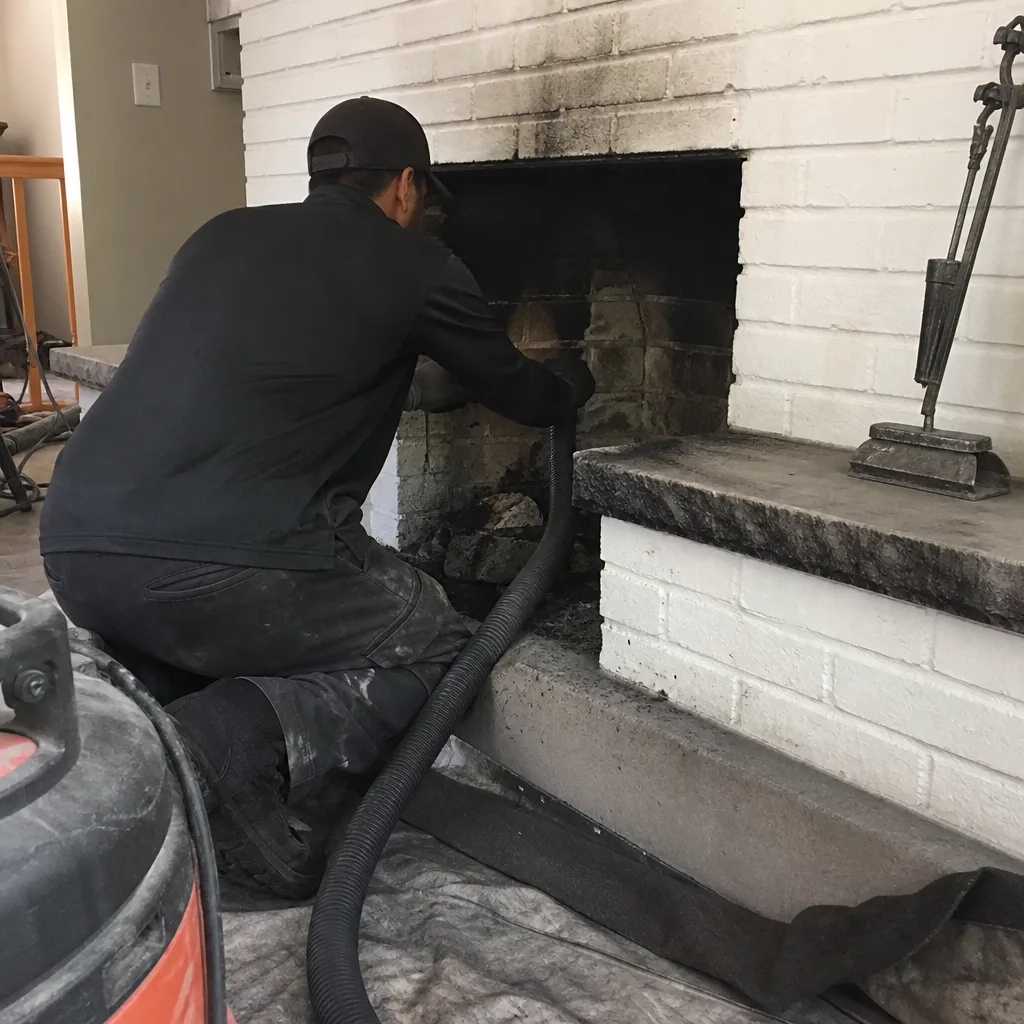 Before
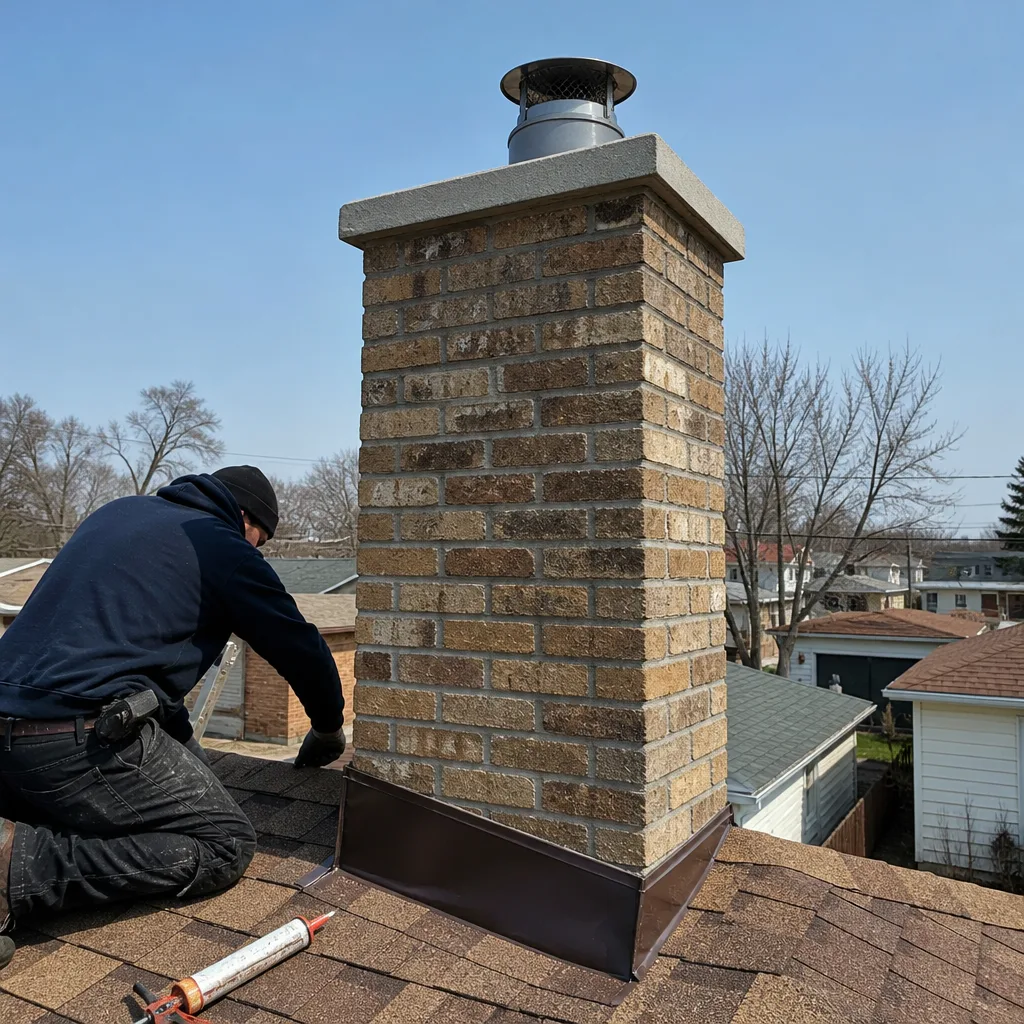 After
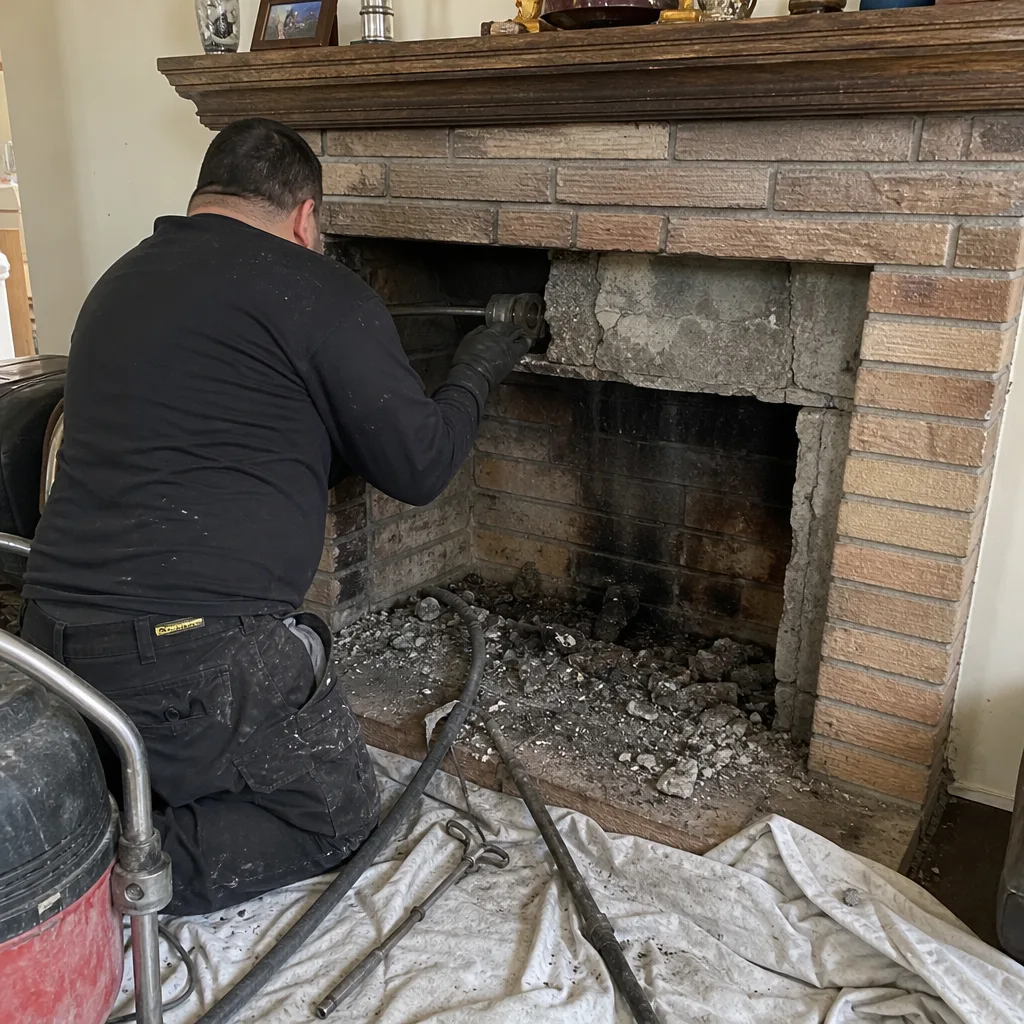 Before
 After
 Before
 After