

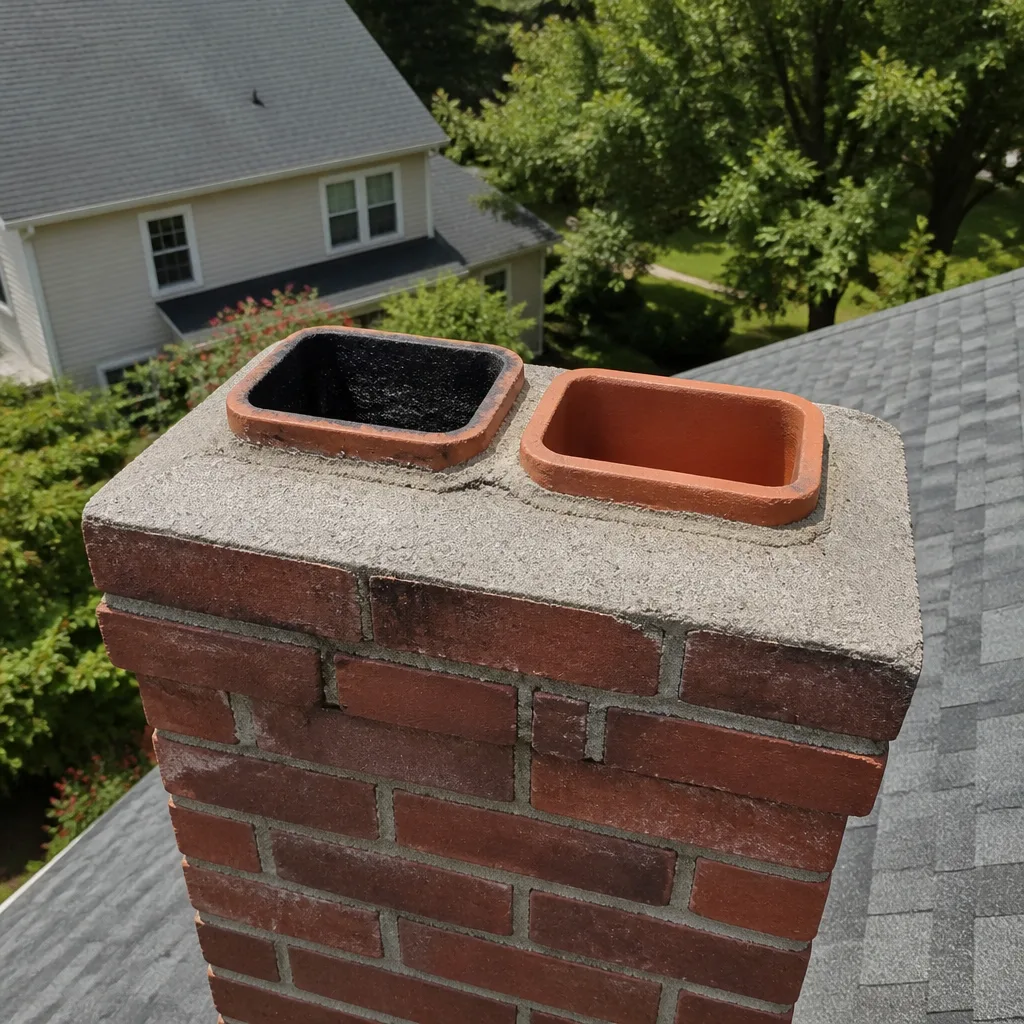
 Sweep & inspection
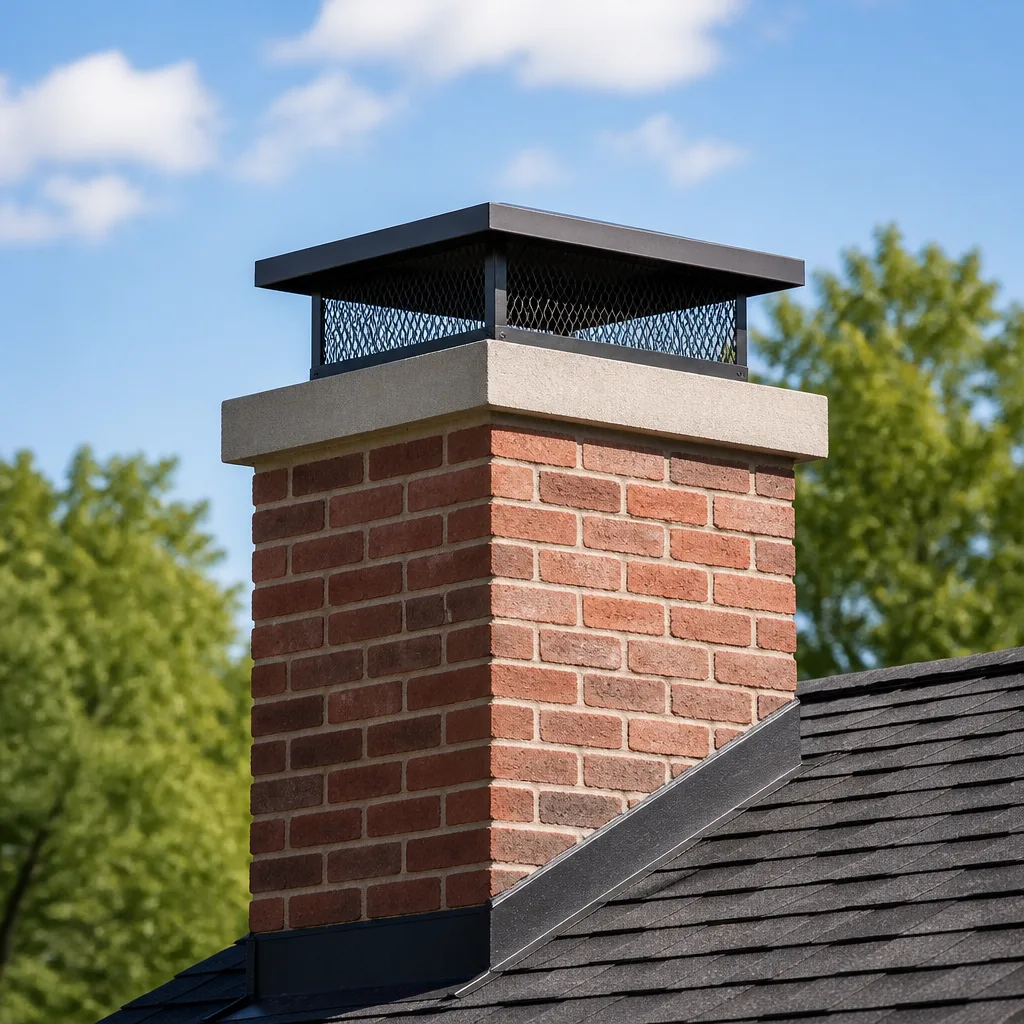 Caps & crowns
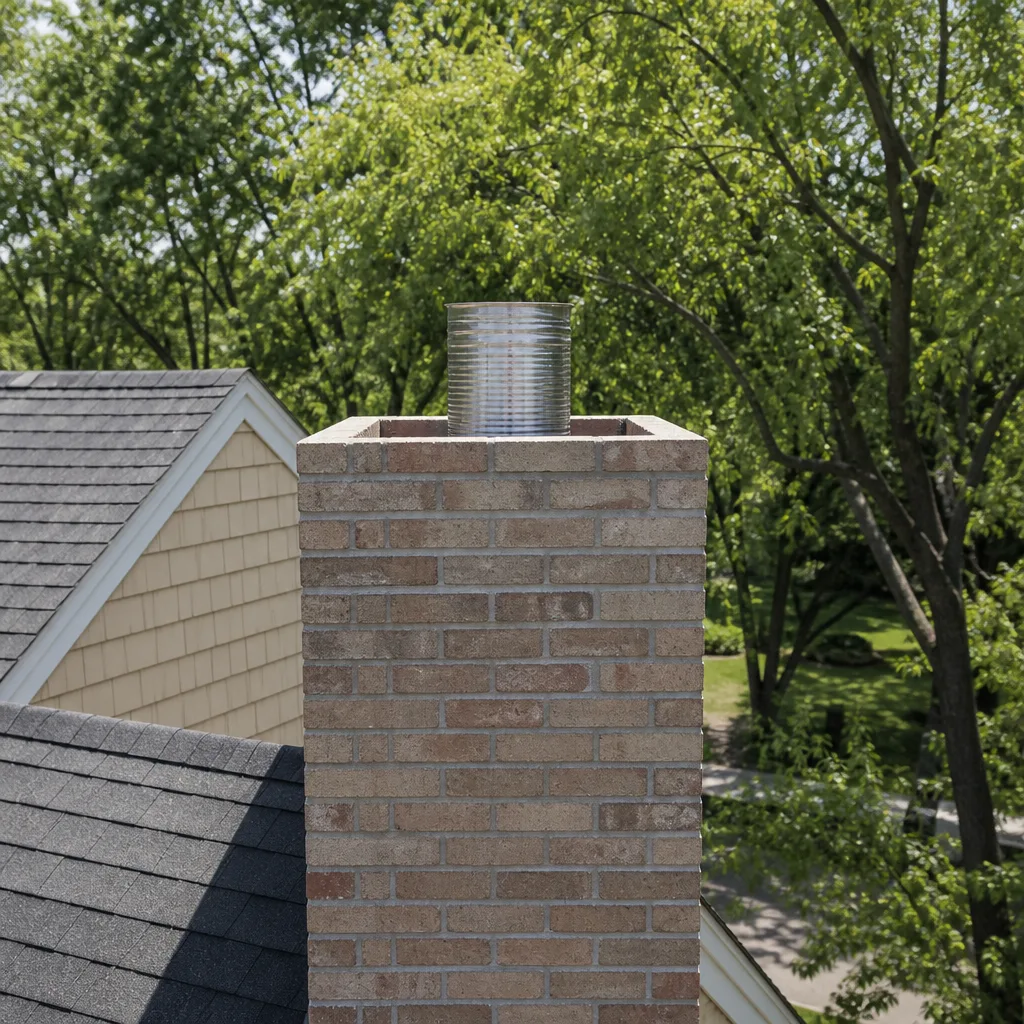 Flue relining
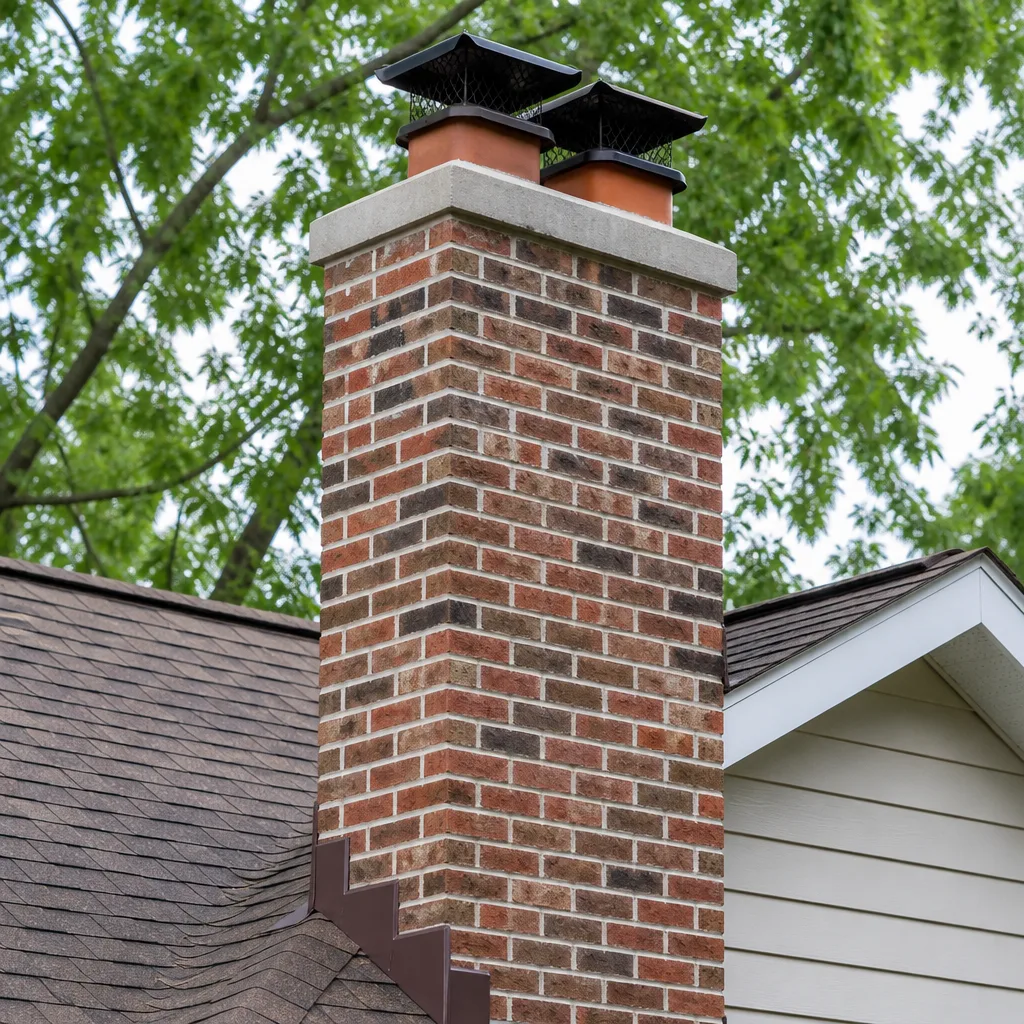 Masonry repair
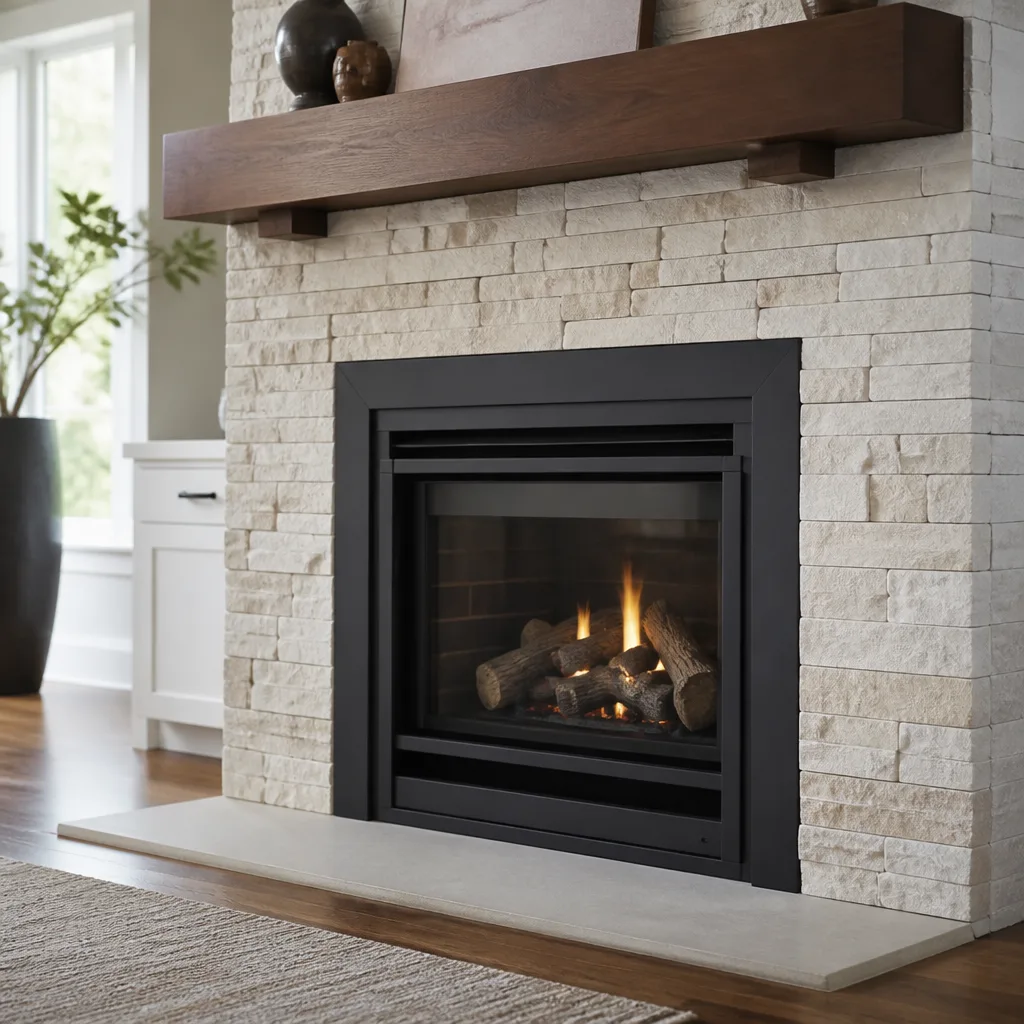 Gas fireplace service
Level 1 sweep and inspection to the NFPA 211 annual standard - flue, crown, cap, and flashing checked and photographed
Chimney sweep logs do not sweep chimneys. They loosen some creosote - which then falls where a brush and vacuum still have to collect it.
HeatShield Chimney Cleaning in McKinley Park, IL | Wexford Chimney Sweep
We provide independent HeatShield chimney cleaning and liner restoration across McKinley Park, IL. What makes our HeatShield work different here is simple: most of the chimneys we open up in this neighborhood were built for coal stoves before 1930, and they need more than a sweep. They need someone who understands how to prepare an aging clay-tile flue before any sealant or lining goes in. Call (866) 361-2607 for a free estimate.
Wexford Chimney Sweep is an independent HeatShield service provider. We are not manufacturer-affiliated or authorized. What we are is experienced with the specific failure modes this neighborhood’s housing stock produces, and we apply HeatShield’s systems the way they’re designed to be applied: over properly cleaned, properly prepared flue walls. Norm Sulecki built Wexford on a simple habit he picked up years ago in Cook County chimneys: look first, explain what you see, then let the homeowner decide. That’s the approach we bring to every HeatShield sales & service visit in McKinley Park.
Why McKinley Park Residents Choose Us for HeatShield Service
HeatShield is a specialty product line. It’s not a brush-and-go job. McKinley Park’s chimneys are almost all century-old brick structures, and applying HeatShield’s Cerfractory sealant or resurfacing system to a flue that’s been absorbing coal ash and creosote for 80 years takes a particular set of steps. We’ve done it often enough to know what the substrate looks like under the soot, which is why homeowners here call us instead of a generalist HeatShield service in Chicago.
Norm grew up a few blocks from the Hawthorne Race Course in Cicero, and he’s been working on chimneys in this part of Cook County for going on two decades. He learned heating systems and venting at Triton College in River Grove, then went hands-on for years before starting Wexford. That background matters when we’re looking at a disconnected flue tile behind a gas furnace in a McKinley Park two-flat. We sweep it, inspect it, and if something’s wrong, we fix it.
We stock genuine HeatShield lining materials and keep them ready for McKinley Park jobs specifically because this housing stock needs them year-round. When you schedule with us, you’re getting a crew that’s already worked down your block, on your style of chimney, with the same clay-tile construction. That repetition builds a different kind of expertise.
Styles & brands we work with
Common HeatShield Chimney Cleaning Problems We Solve in McKinley Park
- Disconnected flue tiles behind gas conversions. McKinley Park’s two-flats and workers’ cottages were built for coal. When owners converted to gas decades ago, nobody rebuilt the flues. We regularly find tiles that have separated, leaving gaps where exhaust can escape into the house. A sweep alone won’t fix this. HeatShield sealant can bridge smaller gaps, but only after the flue is cleaned and the tile positions are understood.
- Coal ash debris blocking modern appliance venting. This is a genuinely common find in McKinley Park. Old coal ash sits in the smoke shelf and behind disconnected tiles, narrowing the flue passage. A gas furnace pushing exhaust up a partially blocked flue creates draft problems and carbon monoxide risk. We extract the debris before any HeatShield lining work begins. Nobody should be applying sealant over last century’s ash.
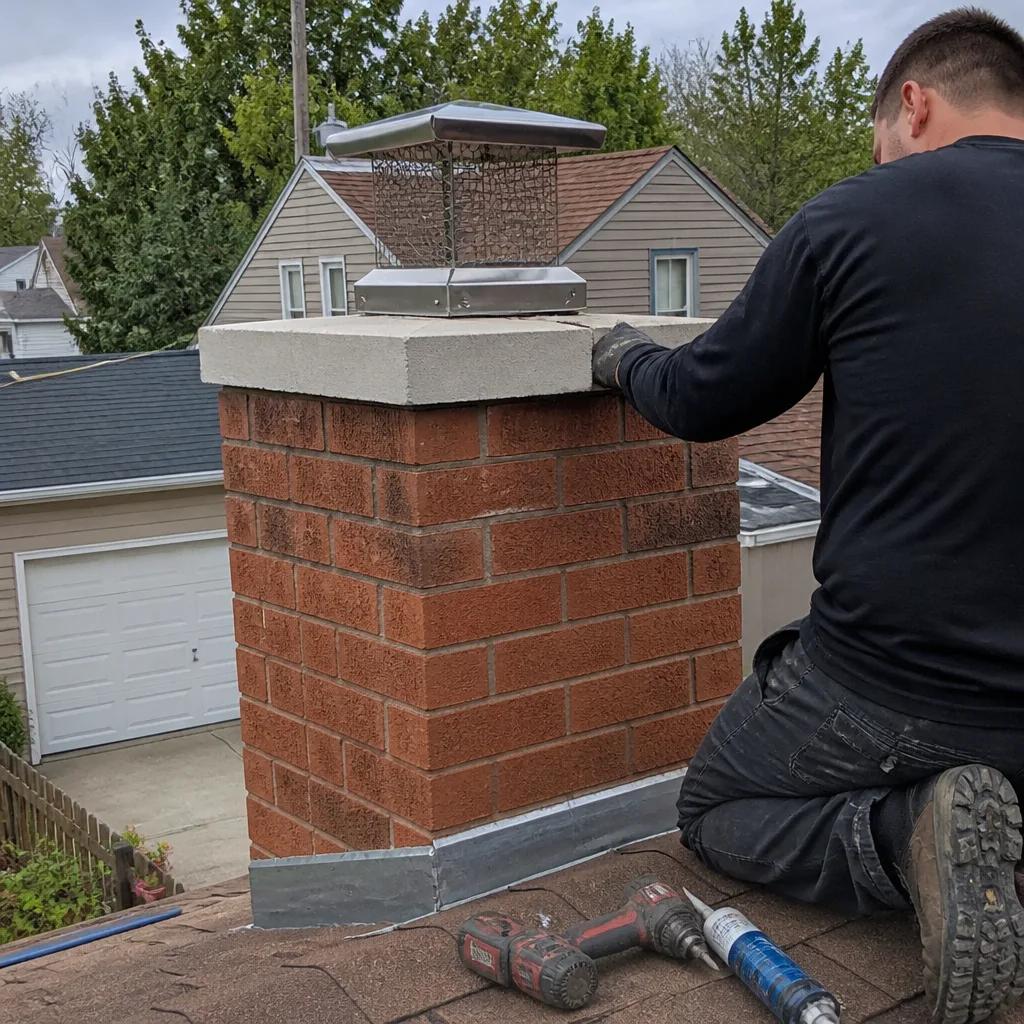
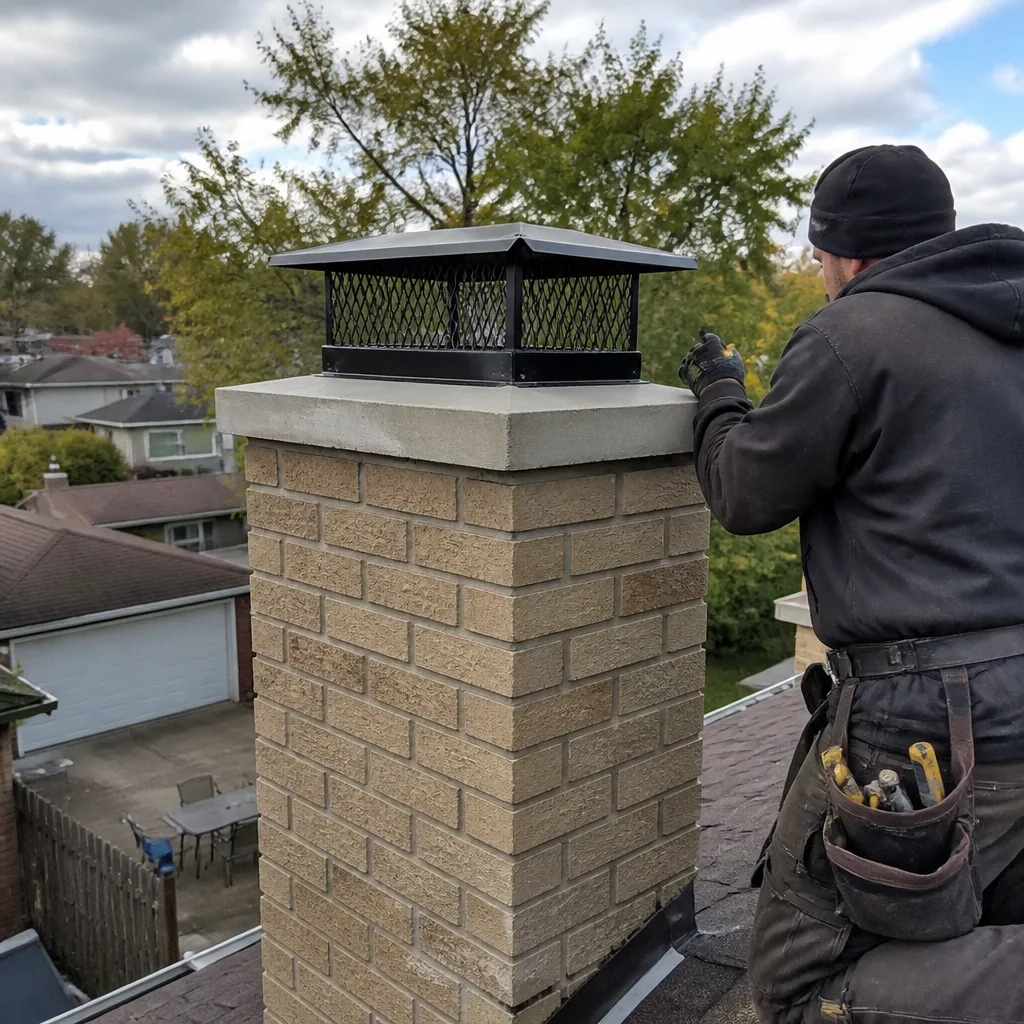
- Freeze-thaw spalling on exposed brick chimneys. McKinley Park’s winters cycle through freeze and thaw from November through March. Exposed brick chimneys take the brunt of it. Spalled brick faces and eroded mortar joints mean the flue structure itself is compromised. HeatShield’s resurfacing system works well on clay-tile flues, but the surrounding masonry has to be sound first. We rebuild or repoint where needed before lining.
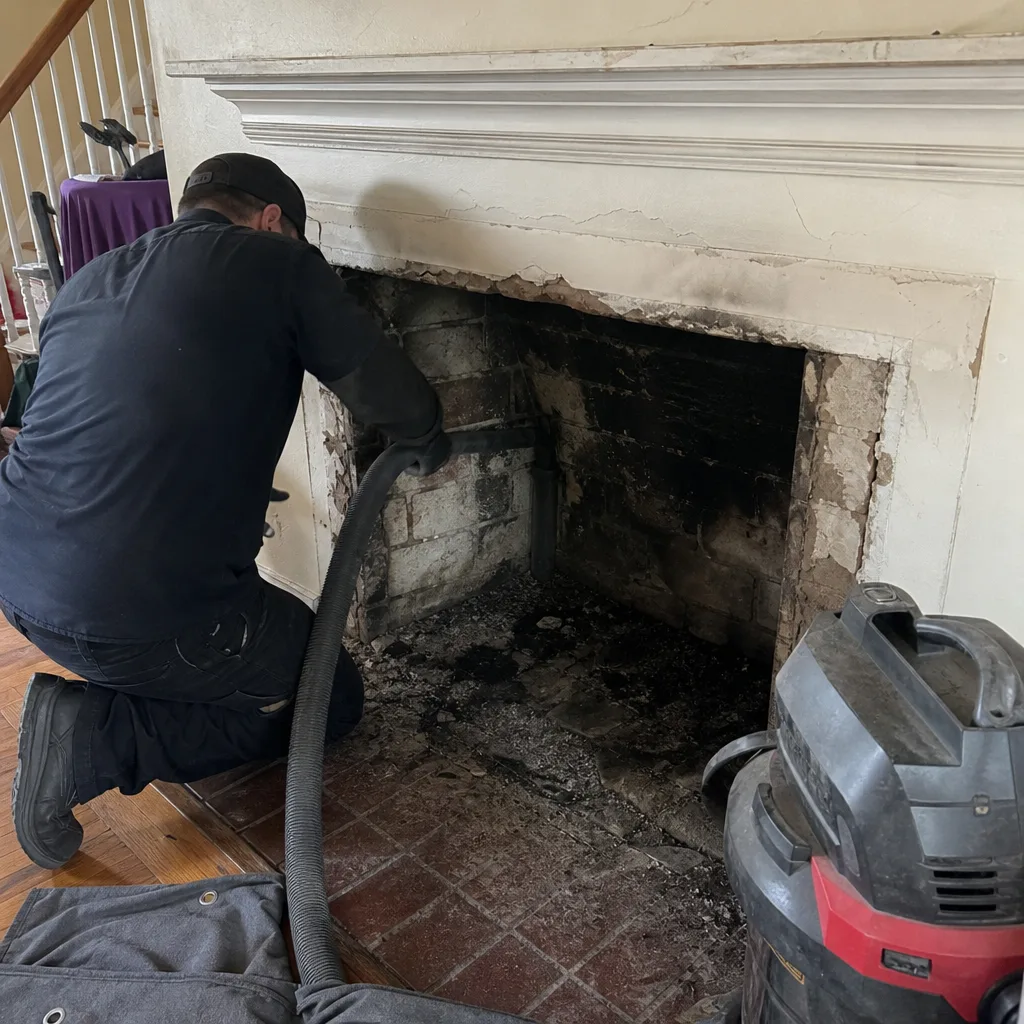
- Creosote-soaked flue walls from heavy heating-season use. The long Chicago heating season, October through April, produces significant creosote buildup in any wood-burning flue. Applying HeatShield over a creosote-soaked wall will not bond. It flakes off in sheets. That’s why HeatShield work in McKinley Park always starts with a thorough creosote removal, down to the tile surface, before any lining materials come out of the truck.
- Exterior soot staining from the industrial past. The Southwest Side rail corridors ran coal trains for decades, and McKinley Park’s industrial history left a layer of soot on many chimneys that’s now baked into the brick. This staining isn’t just cosmetic. It signals decades of particulate exposure that has often accelerated mortar erosion. We see it on nearly every job here and factor it into our inspection notes and repair recommendations.
HeatShield Service in McKinley Park: What Local Conditions Mean for Your Equipment
Here’s the insight that actually matters for HeatShield owners in McKinley Park specifically. This neighborhood’s original chimneys were built for coal stoves. The flues were unlined brick or minimally clay-tiled, sized for coal smoke, not for modern gas appliance exhaust. When the conversions came through, decades of coal ash remained inside those flues and in the smoke shelves, and many of the clay tiles had long since disconnected from each other. We pull coal ash out of McKinley Park chimneys on a regular basis. Every week, not occasionally.
What this means for HeatShield application is straightforward. You cannot apply Cerfractory sealant or the resurfacing system over a flue that still contains coal ash deposits and disconnected tile sections. The sealant will not adhere properly, the draft will stay restricted, and the liner will fail early. Before any HeatShield work on a McKinley Park chimney, we perform extraction of coal ash and debris, confirm tile positions, clean the flue walls, and only then move to lining. This order of operations is not optional here. It’s not how it works in newer subdivisions. It’s how it works in a neighborhood where the chimneys predate the automobile era.
HeatShield Models & Products We Service in McKinley Park
We work with the full HeatShield product range in McKinley Park: the Cerfractory Flue Sealant, the Resurfacing System for clay-tile flues, the Cast-in-Place Lining system, and the Custom Cap Line. Most of our McKinley Park work involves the sealant and resurfacing applications on the original clay-tile flues found in two-flats and workers’ cottages built between 1890 and 1930.
Our approach to parts is honest. We use genuine HeatShield lining materials for every resurfacing and cast-in-place application. When it comes to caps and dampers, we’ll pair HeatShield’s own line with quality aftermarket equivalents when OEM isn’t available or is the wrong fit for the chimney. We don’t push aftermarket into a job where HeatShield’s product is the right tool. And we’ll tell you plainly when a full relining with a DuraFlex system makes more sense than restoration. Honest repair-vs-replace is the policy, every time.
See the difference
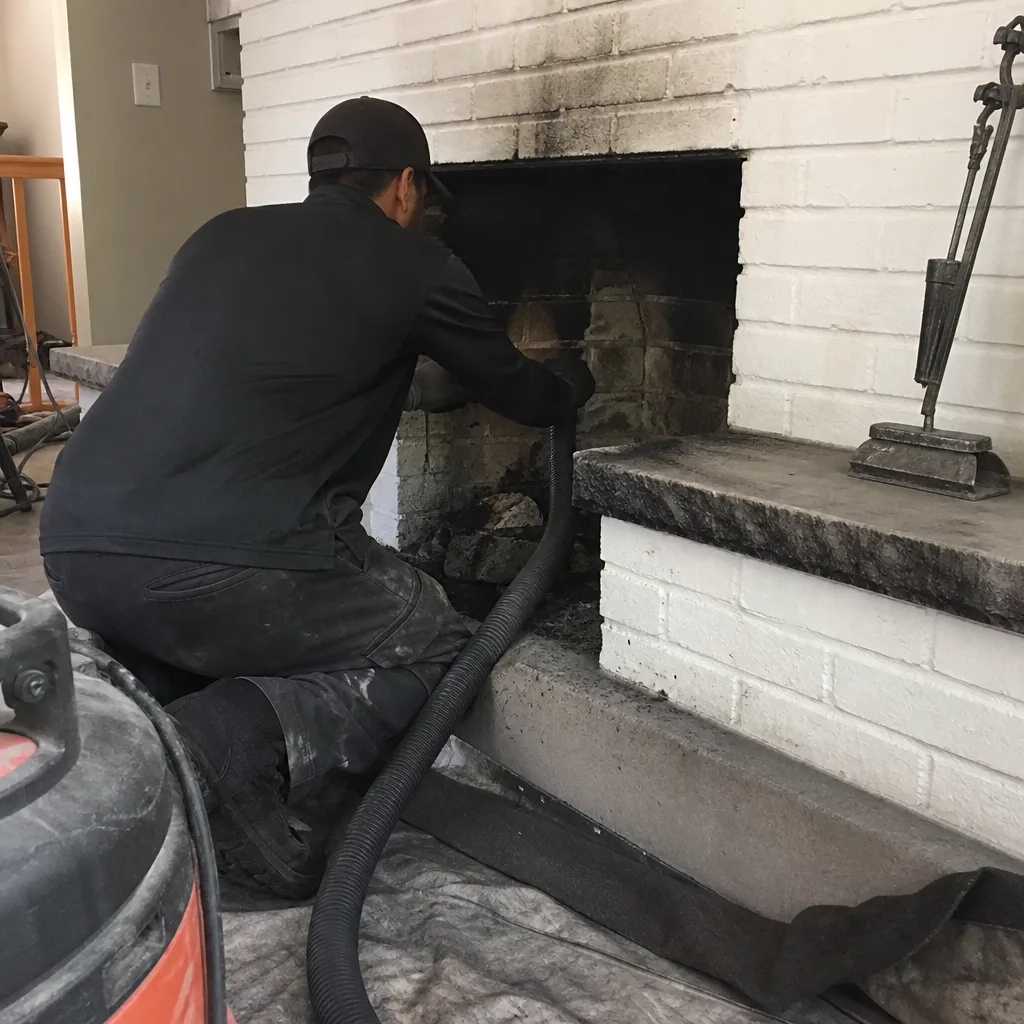 Before
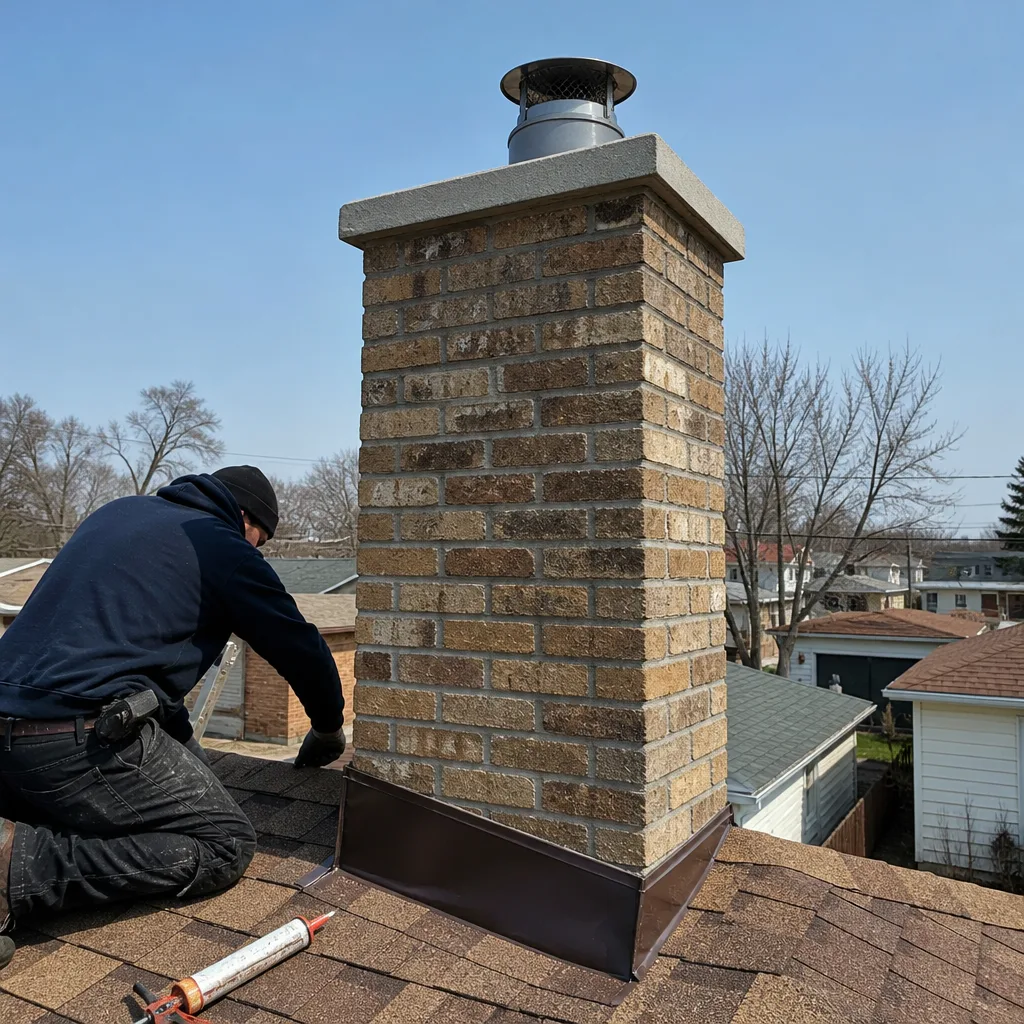 After
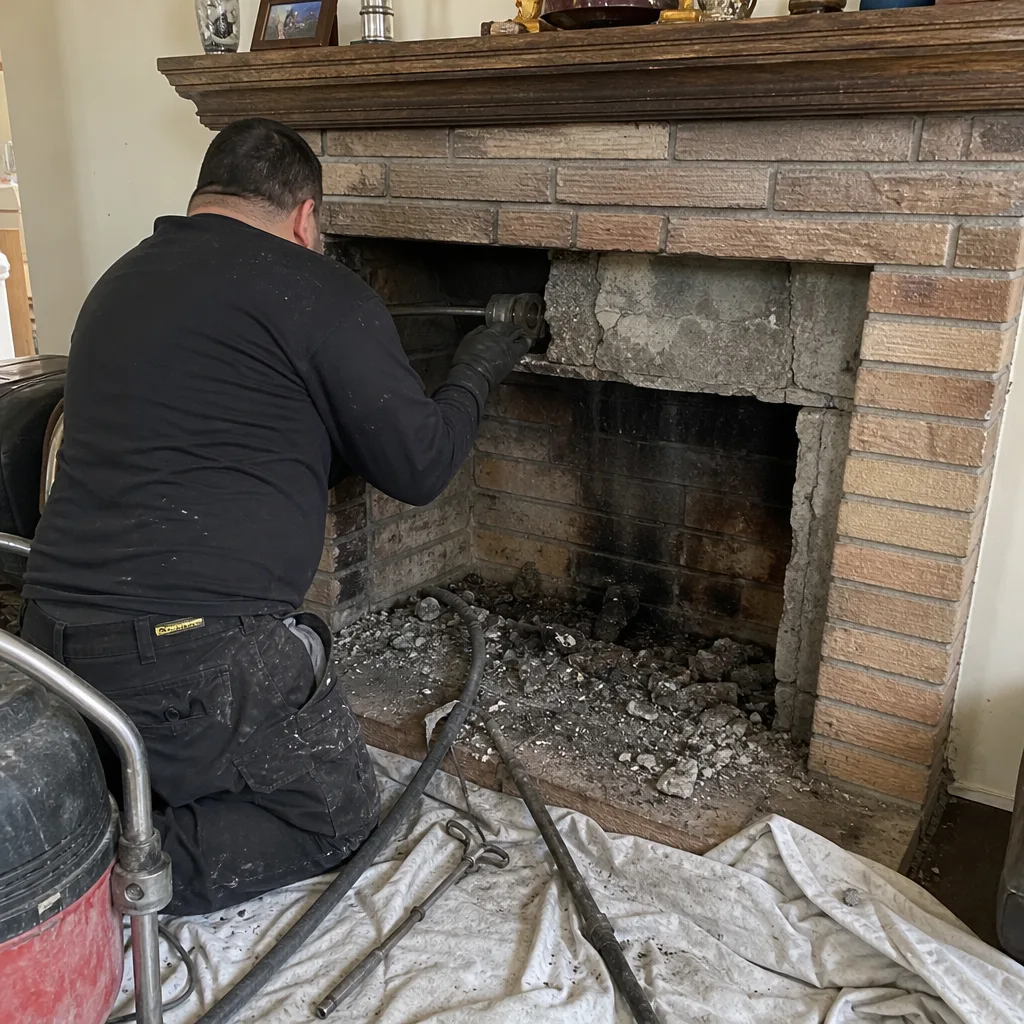 Before
 After
 Before
 After
HeatShield Service Pricing in McKinley Park
HeatShield chimney cleaning and restoration pricing in McKinley Park depends on what we find during inspection. A standard sweep and flue cleaning for a two-flat chimney typically runs in the $180 to $340 range. A Level 2 inspection, which we recommend before any HeatShield lining work in this housing stock, adds cost based on the chimney’s size and condition. Full HeatShield resurfacing or cast-in-place lining on a clay-tile flue is a larger project, typically $800 to $1,700 depending on flue height, access, and the extent of substrate repair required.
What drives the cost in McKinley Park specifically is the debris extraction. Coal ash removal and disconnected tile repair add labor that homeowners in newer neighborhoods never see on an invoice. It’s honest work and it’s necessary before any lining touches the flue. Our free estimate includes a camera inspection so you can see what we see. Call (866) 361-2607 for an exact quote.
Serving McKinley Park, IL — Our Local Coverage Area
We’re based in the McKinley Park area and know this community well. Use the map below to see our service coverage — if you’re nearby, we can almost certainly help.
FAQs – HeatShield Chimney Cleaning in McKinley Park
Yes, HeatShield’s cast-in-place system can work on unlined brick chimneys, but only if the brick substrate is structurally sound and properly prepared first. In McKinley Park’s workers’ cottages, that usually means repointing eroded mortar and addressing any spalling before lining. An unlined flue with failing mortar won’t hold a lining well. We inspect and prepare before we apply anything. Call (866) 361-2607 to schedule an inspection if you’re unsure what you have.
We extract both before any HeatShield material is applied. Coal ash comes out first, usually with specialized extraction tools through the cleanout or from the top. Disconnected tiles are repositioned or removed based on what the camera inspection shows. Only then is the flue cleaned to the substrate and prepared for sealant or resurfacing. Skipping this step is the surest way to get a failed liner in this neighborhood.
It should, and we require it. A Level 2 inspection, typically with a camera, shows us the true condition of the flue interior: tile positions, mortar joint erosion, coal ash deposits, and any hidden gaps. In a McKinley Park two-flat, applying HeatShield without this inspection would be guessing. We don’t guess. We look, we document, we show you the images, and then we make a plan.
An annual sweep is still the right call, even after HeatShield lining. The exposed brick exterior will keep facing freeze-thaw stress from October through April, and you’ll want us to catch spalling or mortar cracks before they widen. The lining itself is durable, but its substrate is century-old masonry. Think of it as an annual checkup for the whole chimney system, not just the flue. Call (866) 361-2607 for scheduling.
HeatShield restores the flue interior; it doesn’t rebuild the exterior masonry. If your McKinley Park chimney has significant spalling and mortar erosion, the repair sequence matters: masonry repair and repointing first, then flue restoration. We handle both in-house, which means you’re not coordinating between a mason and a liner company. We assess the whole chimney and recommend the right order. Call (866) 361-2607 and we’ll walk it through with you.
Service Areas Near McKinley Park
Wexford Chimney Sweep provides HeatShield service across McKinley Park and the surrounding Southwest Side. We regularly work in McKinley Park service area neighborhoods including Cicero, Berwyn, North Lawndale, South Lawndale, Stickney, and West Garfield Park. If you’re a few blocks outside the neighborhood, call anyway. We keep our truck routes short and we know these streets.
For neighbors to the south, HeatShield service in Gage Park is available for the same older brick housing stock. And for those just northwest, HeatShield service in Lower West Side covers the same era of chimneys with the same coal-conversion histories. If you’re anywhere near McKinley Park, we’re close by.
Book Your HeatShield Service in McKinley Park Today
One company for your chimney and your dryer vent. Both are fire risks, both deserve a specialist. Call (866) 361-2607 for a free estimate on HeatShield service in North Lawndale or McKinley Park. Norm and the Wexford crew are ready when you are.
Written by Norm Sulecki, Owner at Wexford Chimney Sweep, serving McKinley Park since 2005.