
Last updated October 30, 2026
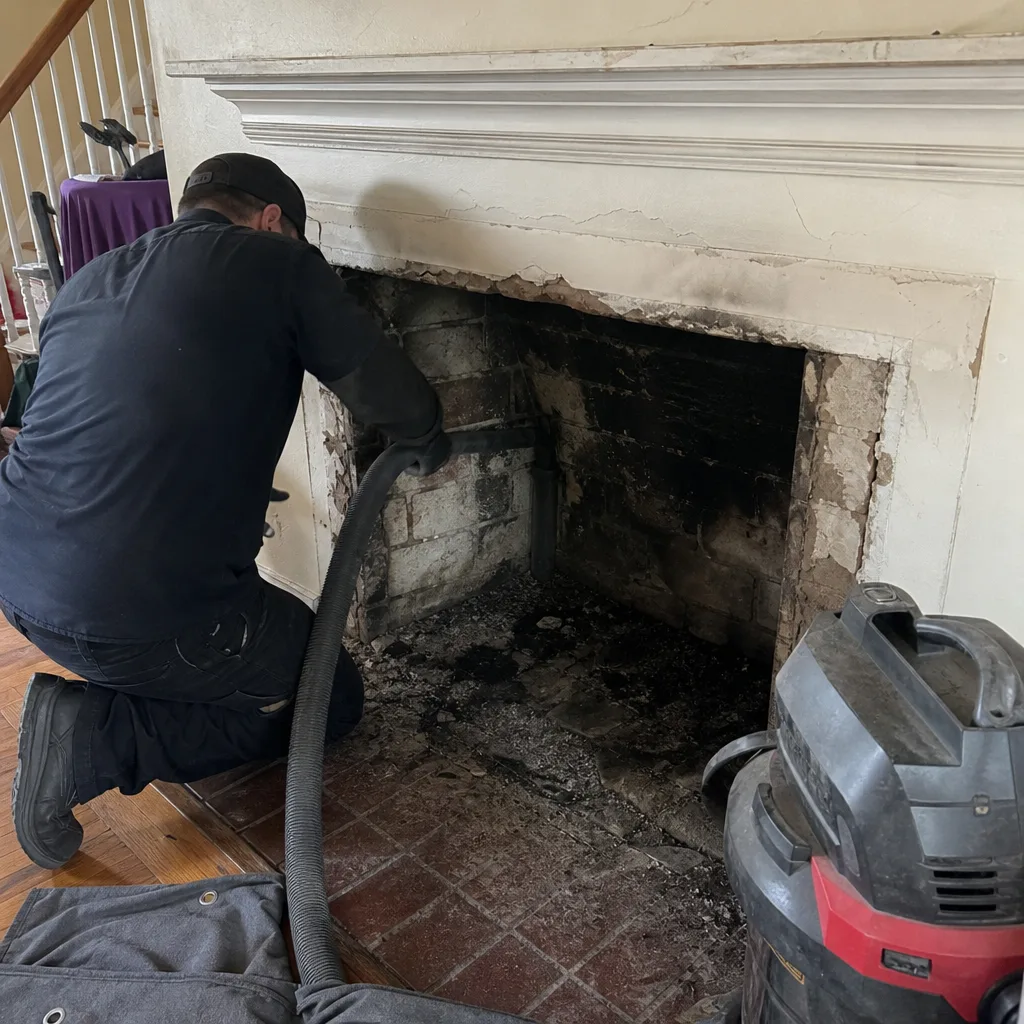
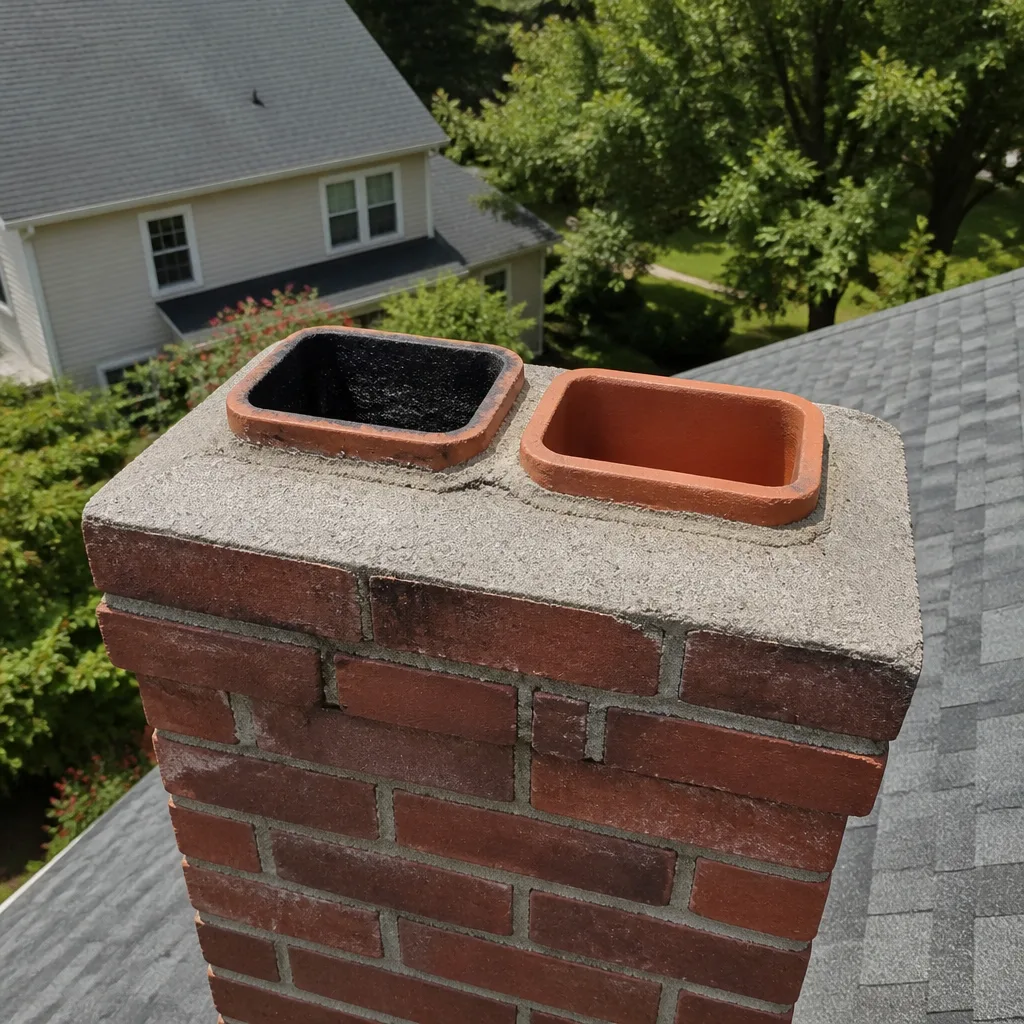 Sweep & inspection
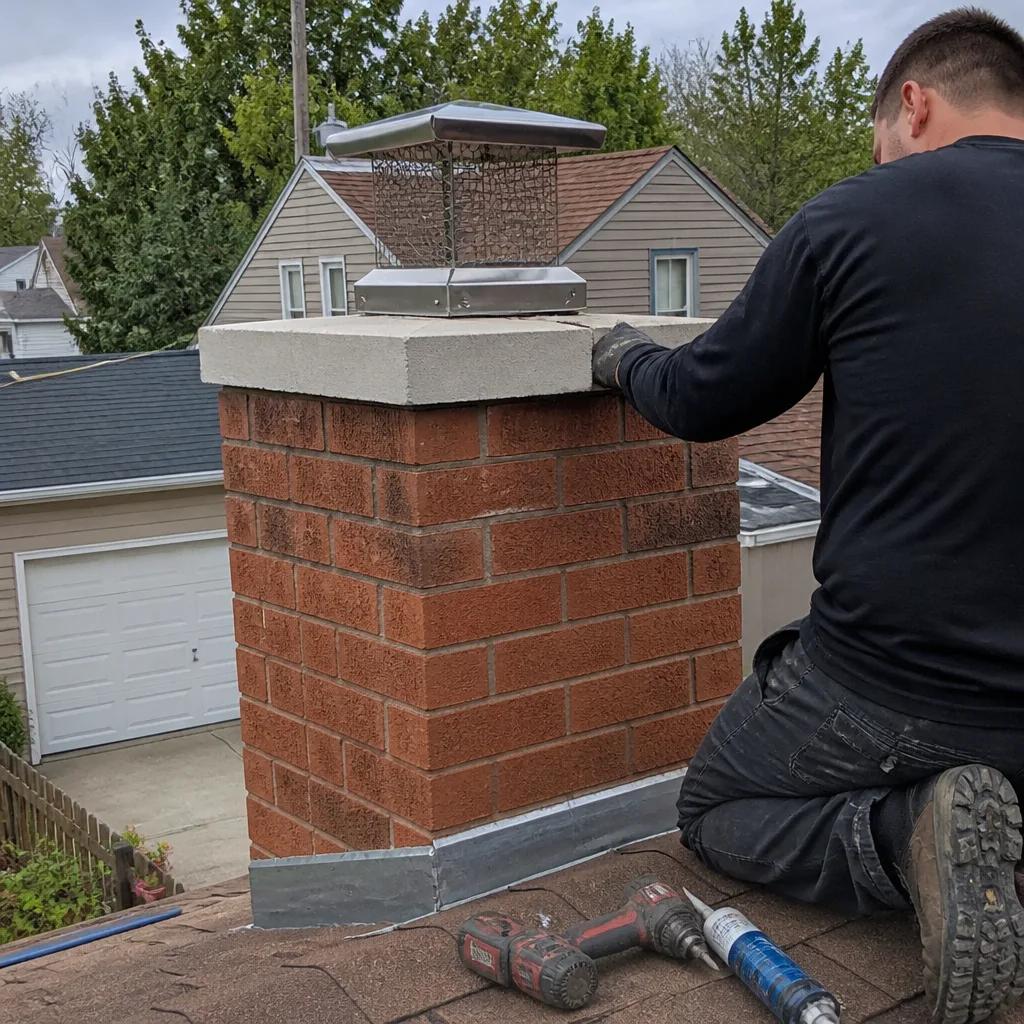
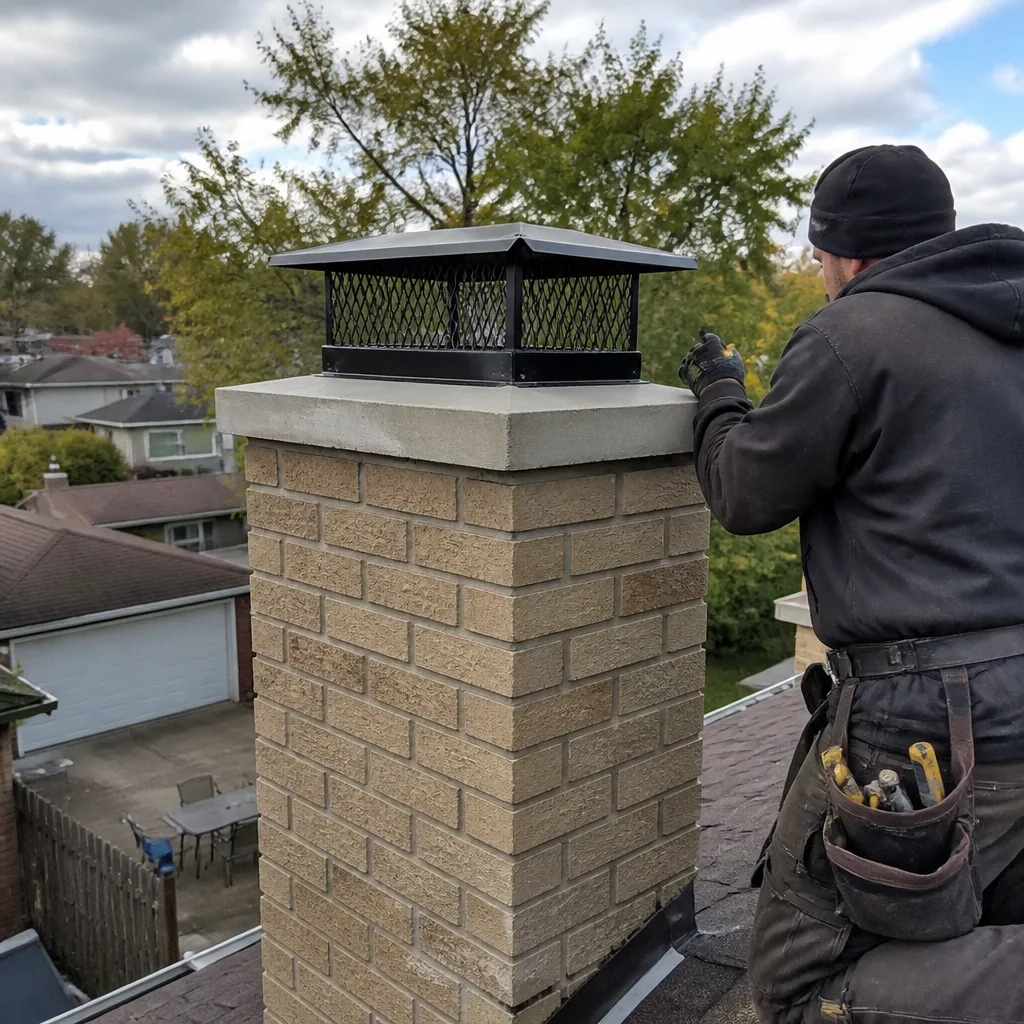
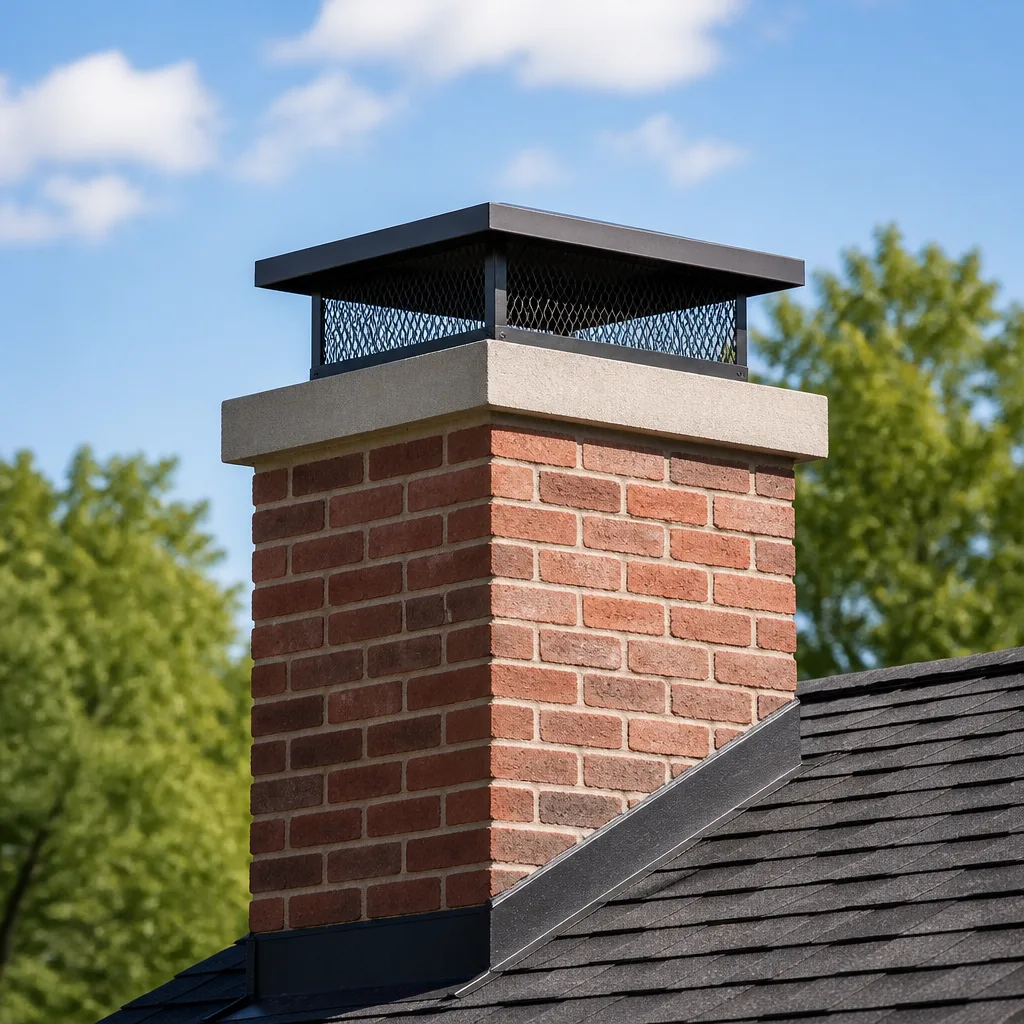 Caps & crowns
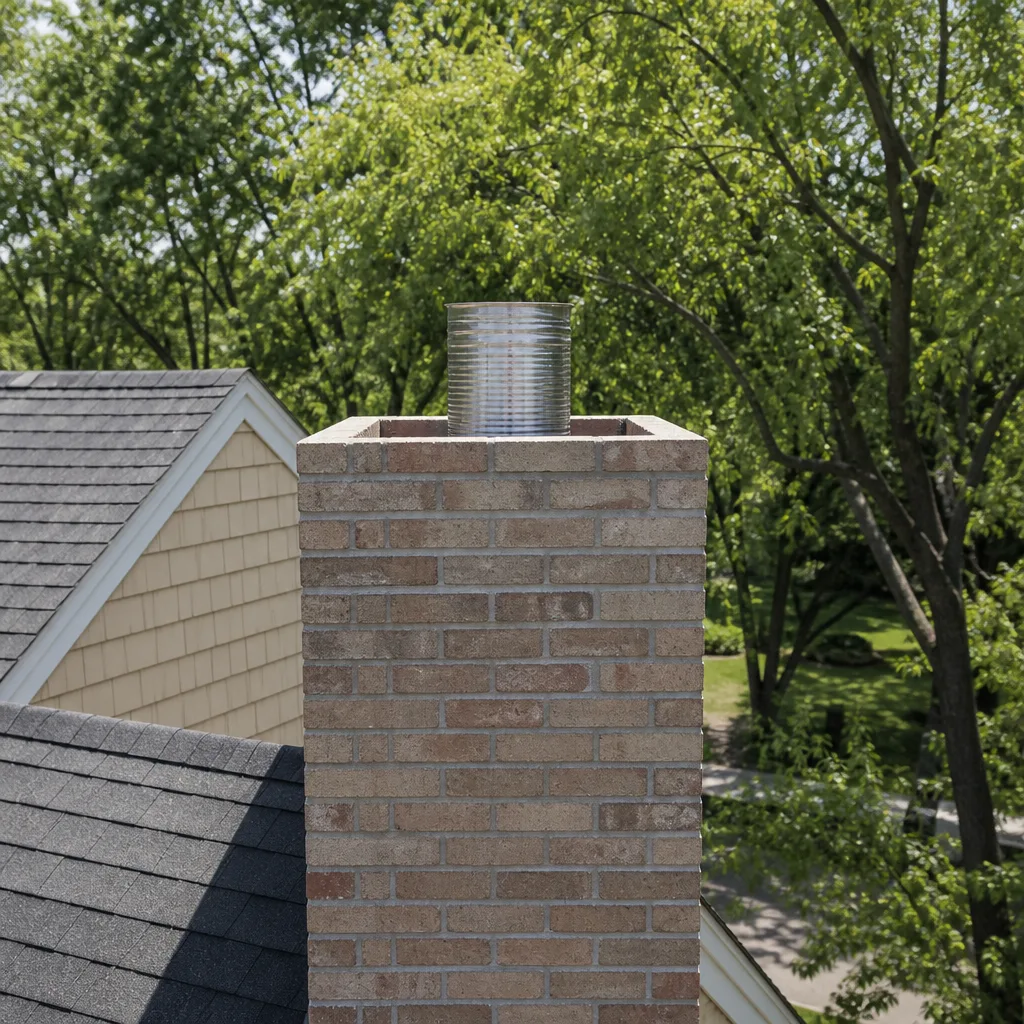 Flue relining
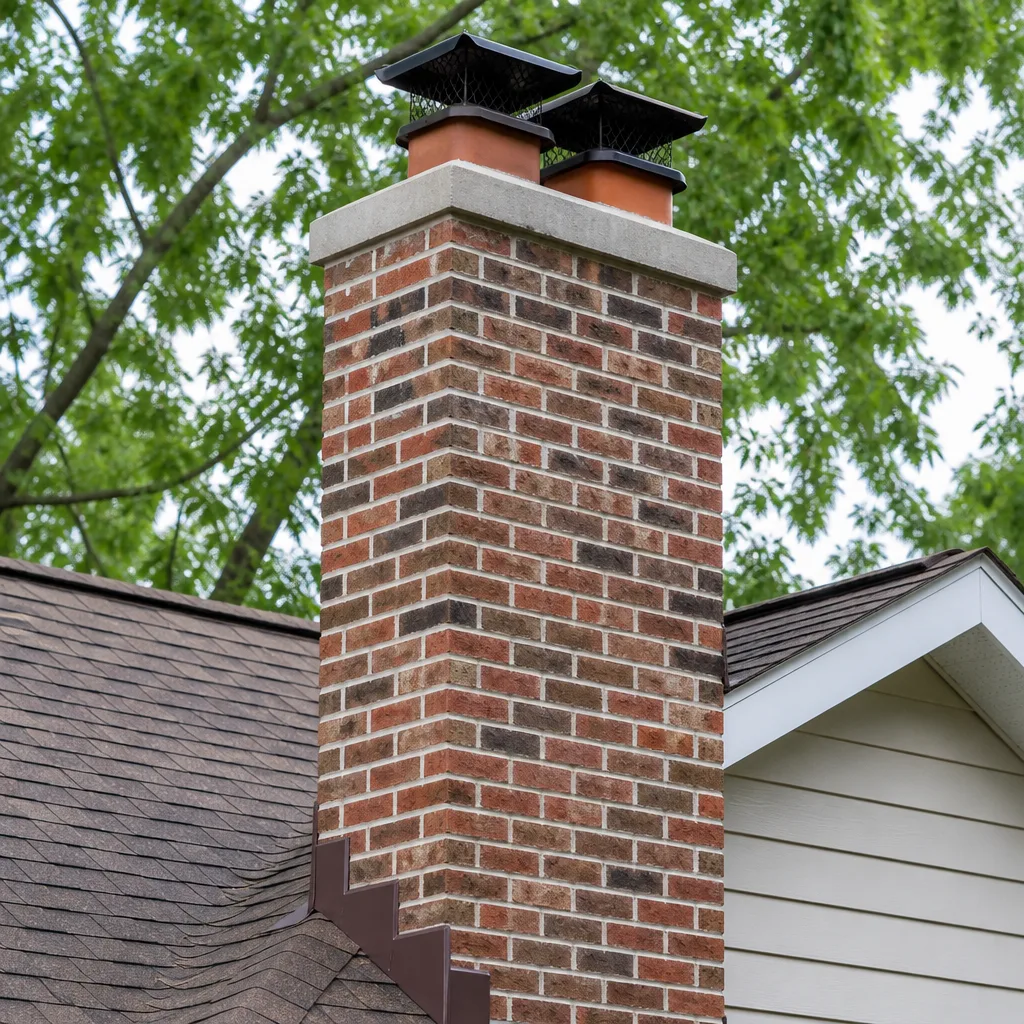 Masonry repair
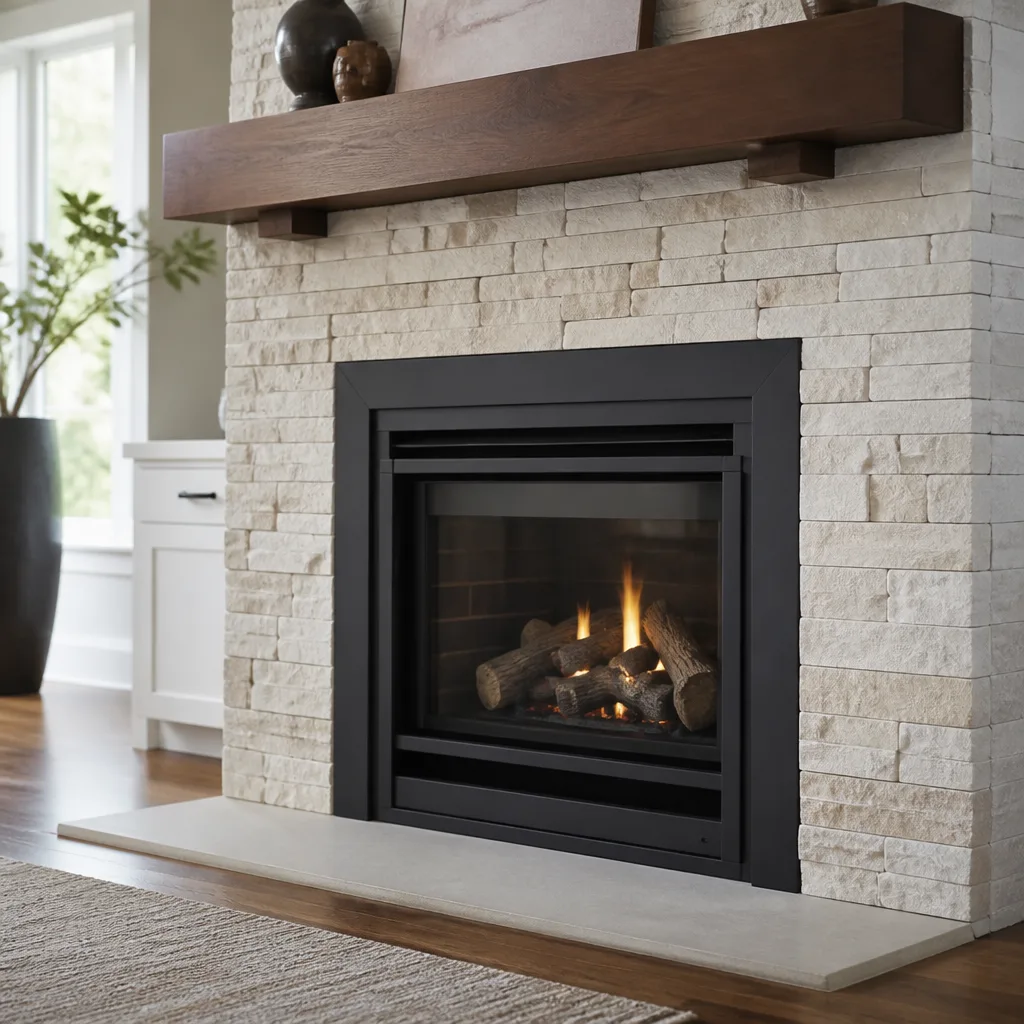 Gas fireplace service
Level 1 sweep and inspection to the NFPA 211 annual standard - flue, crown, cap, and flashing checked and photographed
Chimney sweep logs do not sweep chimneys. They loosen some creosote - which then falls where a brush and vacuum still have to collect it.
Seasonal Chimney Cleaning Care for Cicero: Year-Round Homeowner’s Guide
The worst time to schedule a chimney sweep in Cicero is October, but that’s when most people call. By the time October arrives, you’re booking an inspection right before the highest-risk months, with no time to complete repairs before the first fire. This guide explains the seasonal rhythm of chimney care in Cicero’s specific climate: when to schedule each service, what each season does to your flue and masonry, and how to catch problems early enough that they don’t become emergency repair bills in December. We’ll walk through the full year, month by month, with practical steps you can take today, whether you burn wood, run a gas fireplace, or just want to protect the resale value of a home with a chimney.
Styles & brands we work with
Quick Answer
Seasonal chimney cleaning in Cicero works best on a two-visit rhythm: a professional sweep and inspection in late August through mid-September (before burning season demand spikes), and a spring checkup in April or May to assess moisture damage from the Illinois thaw cycle. Homeowners who follow this schedule catch liner cracks, cap corrosion, and animal nesting before they become fire hazards or four-figure repairs, and they avoid competing for emergency appointments in October and November.
Table of Contents
- Why Cicero’s Climate Demands Seasonal Chimney Care
- The Optimal Cleaning Window: Late August Through Mid-September
- Spring’s Specific Threats: Moisture, Thaw Cycles, and What to Inspect
- Summer Chimney Risks Most Homeowners Ignore
- The 10-Minute Pre-Burn Walkthrough Before Your First Fire
- Winter Emergency Protocols: Smoke, Draft Reversal, and Mid-Season Problems
- Common Mistakes to Avoid
- When to Call a Professional
- Frequently Asked Questions
- The Bottom Line
Why Cicero’s Climate Demands Seasonal Chimney Care
Cicero sits in a climate zone that punishes masonry. The town experiences hard freezes in winter, rapid thaws in March and early April, humid summers with regular thunderstorms, and shoulder seasons that swing from dry to damp within a single week. Each of these conditions interacts with a chimney differently, and none of them are neutral. A brick chimney in Cicero undergoes roughly 40 to 50 freeze-thaw cycles per winter, depending on the year. Each cycle forces moisture deeper into the brick and mortar, where it expands when frozen and slowly fractures the structure from the inside. Homeowners who treat chimney care as a single annual task, done whenever they remember, are essentially gambling against a climate engineered to degrade masonry.
Here’s the seasonal pattern in plain terms:
- Winter (December – February): High heat on the flue interior, freezing temperatures on the exterior, and combustion byproducts accumulating as creosote and acidic deposits.
- Spring (March – May): Snowmelt and rain find their way into every crack, cap gap, or deteriorated mortar joint. The thaw cycle is when moisture damage goes from cosmetic to structural.
- Summer (June – August): High humidity accelerates efflorescence and mineral breakdown in masonry. Animals nest. The chimney dries out, making it the ideal time for inspection and repair work that requires dry surfaces and flexible scheduling.
- Fall (September – November): Burning season begins. This is when homeowners discover problems, often too late to schedule non-emergency repairs before the first cold snap.
Understanding this cycle is the difference between a $200 seasonal sweep and a $4,000 reline. The schedules and recommendations in this guide follow the logic of Cicero’s weather, not generic chimney advice written for a national audience.
The Optimal Cleaning Window: Late August Through Mid-September
If you schedule exactly one professional chimney visit per year, make it the last two weeks of August or the first two weeks of September. Here’s the logic, and it’s specific to how the chimney industry actually functions in Cicero and the surrounding Cook County market.
By August, your chimney has had three to four months of warm, dry weather to release the moisture it absorbed during the previous winter and spring. This is critical because creosote behaves differently depending on moisture content. Creosote in a dry chimney is easier to remove completely. Creosote in a damp chimney forms a sticky, tar-like consistency that resists standard brushing and can require chemical treatment or mechanical removal. A sweep performed in August simply works better than one performed in late fall, when Illinois rain and early frost have already introduced new moisture into the flue.
But the bigger advantage is scheduling leverage. Chimney companies in the Chicago metro area run at roughly 60 to 70 percent capacity in August and September. Call in October or November, and you’re competing with every homeowner in Cicero, Berwyn, and Oak Park who just remembered their fireplace exists. That means three problems: longer wait times for appointments, less flexibility for scheduling follow-up repair work, and in some cases, seasonal pricing pressure. When a chimney sweep finds a problem in late September, they can often schedule the repair within days or weeks, before real burning begins. The same problem found in late October may not get repaired until January, leaving you to make a choice between burning with a known hazard or shutting down your fireplace for the heart of winter.
We’ve seen this pattern repeat for years. Homeowners who call in August get the full experience: a thorough cleaning, a detailed inspection, time to review findings, and repairs completed before the first freeze. Homeowners who call in October get a rushed cleaning and a warning about a problem they can’t fix in time. The chimney didn’t get worse in those eight weeks. The calendar did.
For service in Cicero specifically, late-summer scheduling also aligns with neighborhood rhythms. Many households travel in July and early August. By late August, schools are reopening, routines are normalizing, and homeowners are back in a planning mindset. It’s the natural point to handle seasonal home maintenance before fall yard work and holiday preparation crowd out the to-do list.
Spring’s Specific Threats: Moisture, Thaw Cycles, and What to Inspect
Spring is the most dangerous season for a chimney that doesn’t look dangerous. The damage happening in March and April is silent, gradual, and structural. Understanding it requires knowing one fact: brick and mortar are porous materials. They absorb water. When water freezes, it expands by about 9 percent. That expansion, repeated across dozens of freeze-thaw cycles, exerts enough force to crack bricks, spall mortar joints, and separate the flue liner from the surrounding masonry. Cicero’s spring thaw is when this damage accelerates, because water is actively entering the system while temperatures still dip below freezing at night.
Here’s what to inspect after the thaw completes – typically mid to late April in Cicero:
- The chimney cap and crown: Look for cracks in the concrete crown, rust on metal caps, and any sign that the cap has shifted. A damaged cap is an open door for rain, snow, and animals. From ground level, use binoculars to check for visible gaps or rust streaks. If you see rust bands where the cap meets the flue, water is getting in.
- Mortar joints on the exterior chimney: Run your eyes along the mortar lines. If they look eroded, recessed, or crumbly – especially on the side that faces prevailing wind and rain – the freeze-thaw cycle is winning. This is called spalling, and it’s progressive.
- Inside the firebox: Check for water stains, damp spots, or a musty odor. Moisture that has entered the flue during winter and spring often shows up on the firebox walls or on the damper. If the damper is rusted or difficult to open, that’s a sign of prolonged moisture exposure.
- Efflorescence: Those white, chalky deposits on exterior brick are salts being drawn out of the masonry by water migration. They’re a cosmetic symptom of a structural problem, and in Cicero they usually appear or worsen in spring.
Spring is also when we recommend a professional inspection for any chimney that went uncapped or unprotected through the winter. A spring chimney sweep in Cicero serves a different purpose than a fall sweep – it’s a diagnostic visit. The goal isn’t to prepare the flue for immediate burning. It’s to find and document moisture damage while it’s fresh, then schedule repairs during the summer when dry weather makes the work faster and more reliable. Homeowners who treat spring as a secondary season for chimney care are the ones who end up with chimney repair in Cicero work that should have been a $300 fix instead of a $3,000 one.
Summer Chimney Risks Most Homeowners Ignore
Summer feels like the safe season for a chimney. No burning. No snow. No freeze-thaw cycles. But Cicero summers create three distinct hazards that most homeowners never think about until a problem shows up in the fall.
Animal Nesting Season
Chimneys are prime real estate for raccoons, squirrels, birds, and bats. A chimney cap that’s damaged, missing, or inadequately secured is an open invitation. In Cicero, we see a spike in animal-related chimney problems starting in late May and persisting through August. Birds nest in the flue itself, blocking draft and filling the space with flammable material. Raccoons are worse – they can tear through damaged cap screens and raise litters inside the smoke chamber. Squirrels typically nest at the top of the flue, where their debris falls inward over time. The problem isn’t just the blockage. Animal nests inside a flue create a fire hazard that ignites quickly when burning season begins, and the animal waste introduces biological contamination that requires specialized cleaning.
If you hear scratching, chirping, or scurrying sounds coming from the chimney during summer, don’t ignore it and don’t try to smoke the animal out. The correct response is a professional inspection to identify the species and remove the animal safely, followed by cap replacement or repair to prevent recurrence. A properly fitted cap with appropriate mesh sizing keeps animals out while maintaining proper draft.
Accelerated Mortar Erosion from Heat and Humidity
Cicero summer humidity levels routinely exceed 70 percent. Combined with daytime temperatures in the 80s and 90s, this creates conditions that accelerate masonry degradation in ways most homeowners don’t associate with summer. Humid air carries moisture into porous brick and mortar. The heat causes that moisture to expand and migrate. When temperatures cool overnight, the moisture condenses. Over the course of a summer, this repeated cycle can weaken mortar joints that were already compromised by winter freeze-thaw. Brick that spalled during winter often loses additional surface material during summer’s thermal expansion cycles. By late August, the damage from two seasons of exposure becomes visible – which is another reason the late-summer inspection window matters.
Cap Corrosion and Flue Obstruction
Chimney caps in Cicero take a beating from winter ice, spring rain, and summer humidity. Metal caps without adequate protective coating begin to rust. The rust weakens the cap structure, which leads to warping, which creates gaps, which lets in water and animals. Summer is the season when this corrosion becomes visible, because the warm weather speeds up the chemical reaction. At the same time, summer storms bring wind that can loosen cap fasteners and send branches or debris onto the chimney top. A cap that looked fine in October might be compromised by July.
The summer months are also the best time for any chimney repair that involves masonry work. Mortar cures properly when temperatures stay above 40 degrees. Waterproofing treatments bond better in dry conditions. Chimney liner installations via products like HeatShield liner repair benefit from warm, dry flue conditions. If you notice summer damage, the window to fix it before burning season is narrow – but it exists.
The 10-Minute Pre-Burn Walkthrough Before Your First Fire
Before you light the first fire of the season, spend ten minutes with this walkthrough. It doesn’t replace a professional inspection – it catches obvious hazards that need immediate attention before professional service can be scheduled. In Cicero, the first fire typically happens in late September or early October, but the timing varies based on weather. This walkthrough applies whenever your first burn occurs.
- Check the damper: Open it fully and close it fully. If it sticks, rusts, or doesn’t seal completely, you have a moisture or warping problem. A damper that won’t open creates immediate smoke risk. A damper that won’t close wastes heat all winter.
- Visually inspect the firebox: Shine a flashlight around the firebox walls. Look for cracks in the firebrick, gaps between bricks, or evidence of water entry. Small cracks are often normal wear. Large gaps or loose bricks require professional attention before burning.
- Look up the flue: From the firebox, shine the flashlight as far up the flue as you can see. Check for visible creosote buildup (black, crusty, or shiny deposits), animal debris, or any obstruction. If you see anything other than clean flue walls, schedule a sweep before burning.
- Check the cap from ground level: Walk outside and visually inspect the chimney cap. Look for rust, warping, or any sign that the cap has moved. A cap that’s askew or corroded should be replaced before animals or water make the problem worse.
- Smell test: A properly functioning chimney is relatively odor-free during the off-season. If you detect a strong smoky odor, musty smell, or any sharp acrid scent, it indicates creosote buildup, moisture problems, or both.
- Fire up the draft: On a day with mild outdoor temperatures, light a small piece of rolled newspaper and hold it near the open damper. The smoke should be drawn upward into the flue. If it drifts back into the room, you have a draft problem that needs professional diagnosis before you attempt a real fire.
If any of these steps reveals a problem, don’t burn. The risk isn’t worth it. A chimney fire from creosote buildup can reach 2,000 degrees Fahrenheit – hot enough to crack flue tiles, warp metal liners, and spread fire to the surrounding structure within minutes. The cost of a professional chimney sweep in Cicero is a fraction of the cost of repairing fire damage.
Winter Emergency Protocols: Smoke, Draft Reversal, and Mid-Season Problems
Mid-winter chimney problems in Cicero are the ones everyone dreads. The furnace is running, the fireplace is in regular use, and suddenly something feels wrong. Here’s what to do in the three most common scenarios.
You Smell Smoke in the House While the Fireplace Is Operating
This is a draft failure. Either the flue is partially blocked, the chimney is too cold to establish proper draft, or there’s a structural issue affecting airflow. Here’s the protocol:
- Open a window in the same room. This neutralizes negative air pressure that can compete with chimney draft, especially in newer Cicero homes built tight for energy efficiency.
- Extinguish the fire. Use a fireplace shovel to separate the logs, then close the damper only after the fire is fully out and the embers have cooled.
- Do not attempt to relight until the cause is identified. A blocked or drafting chimney can backfill the house with carbon monoxide, which is odorless and potentially fatal.
- Call for professional inspection. Smoke in the house means the chimney isn’t doing its job, and no amount of trial-and-error burning will fix a structural or buildup problem.
Draft Reversal: Air Comes Down the Chimney Instead of Going Up
A draft reversal means the chimney is pulling outside air into the house rather than exhausting combustion gases out. This happens most often during temperature inversions, when interior air is cooler than exterior air, or when the home has strong negative pressure from exhaust fans, dryers, or furnace operation. In Cicero, the worst draft reversal incidents occur on still, humid days when the temperature differential between inside and outside is minimal.
If you suspect draft reversal without an active fire: hold a piece of tissue paper near the open damper. If it blows toward you, the draft is reversed. Close the damper until conditions improve. If you’re burning a fire and the smoke abruptly starts entering the room, follow the emergency protocol above. Persistent draft reversal despite equalizing pressure typically indicates a flue blockage or a chimney height deficiency relative to the roofline – both professional fixes.
You Notice Signs of a Possible Chimney Fire
A chimney fire sometimes announces itself. Loud cracking or popping sounds, a roaring noise like a freight train, flames visible from the chimney top, or dense smoke pouring from the flue. If you suspect a chimney fire, call 911 immediately, evacuate the home, and do not attempt to extinguish it yourself. After the fire department gives clearance, a professional inspection is mandatory before the chimney is used again. A chimney fire can damage the flue liner, the surrounding masonry, and the structural integrity of the chimney even when the fire is contained quickly.
Common Mistakes to Avoid
- Waiting until October to schedule a sweep. This is the single most common mistake among Cicero homeowners, and it’s the easiest one to avoid. Late-August and September scheduling means more availability, better pricing leverage, and time to complete repairs before burning season.
- Burning “fireplace logs” that claim to clean the chimney. Chemical creosote removers can change the composition of creosote from the tarry, sticky form to a flaky, brushable one – but they don’t remove the buildup. The creosote still has to be swept out physically. These products are accessories, not substitutes.
- Ignoring the chimney cap. A $150 cap replacement prevents thousands in water damage, animal removal, and flue repair. It’s the highest-ROI component on the entire chimney system, yet it’s the one most homeowners never think about.
- Burning unseasoned wood from local Cicero retailers. Some firewood sold in the Chicago metro area isn’t properly seasoned. Wet wood burns cooler, creates more creosote, and deposits more acidic byproducts on the flue walls. Look for wood with visible cracking in the end grain and a moisture content below 20 percent.
- Assuming a gas fireplace doesn’t need chimney service. Gas flues still accumulate corrosion, animal debris, and mineral deposits. They also wear down over time from acid condensation. A gas fireplace in Cicero should be inspected annually, same as a wood burner.
- Trying to remove animal nests yourself. Animal removal involves legal protections for certain species, biohazard exposure, and the need to identify exactly how the animal got in. It’s not a DIY job, and doing it wrong violates state wildlife regulations.
- Skipping the post-summer inspection because the fall fire seemed fine. A fire can burn successfully through an obstructed or damaged chimney, especially if the damage is in the upper flue where conditions are hotter. The fire “working” doesn’t mean the chimney is safe. This false security is why annual professional inspection matters regardless of how the fireplace feels in use.
When to Call a Professional
You should call a professional chimney service if you notice any of the following: visible creosote buildup in the flue, smoke entering the home during fireplace use, evidence of animal nesting at any time of year, water stains in the firebox or on interior walls near the chimney, rust on the damper or cap, eroding mortar joints on the exterior chimney, a chimney fire (even a small one), or a persistent draft problem that doesn’t resolve with room pressurization. Any one of these signals warrants an inspection. Multiple signals warrant immediate attention before the next burn. We also recommend a professional inspection after any major storm that brings down tree branches near the chimney, since impact damage to caps and crowns is invisible from ground level. Wexford Chimney Sweep offers free estimates in Cicero – call (866) 361-2607 to schedule an inspection, a sweep, or a repair consultation. We handle chimney service, dryer vent cleaning in Cicero, and the full scope of chimney repair in Cicero – so if a sweep reveals a problem, the same specialist who found it can fix it.
Frequently Asked Questions
For a wood-burning fireplace used regularly during winter, once per year is the minimum – and the best timing in Cicero is late August through mid-September. For a gas fireplace, annual inspection is still recommended, even though cleaning frequency may be lower. For a rarely-used fireplace, an annual inspection can sometimes be stretched to every other year, but the risk of undetected moisture damage and animal intrusion makes yearly service the safer financial bet in Cicero’s climate. Call (866) 361-2607 for a free estimate.
You can, but the question is whether you should. A thorough chimney cleaning requires specialized brushes sized to your specific flue, an understanding of creosote stages and how each responds to mechanical removal, and a full top-down inspection that most homeowners can’t perform safely on a roof. More importantly, cleaning without inspection misses the point – a chimney sweep is a diagnostic event, not just a brushing. Professional equipment and training catch problems that you won’t see from the firebox. For a chimney that’s used regularly, professional service pays for itself in early problem detection.
In a best-case scenario, nothing visible happens – and that’s exactly why many homeowners skip the service. But the buildup is happening even when you can’t see it. Creosote accumulates every time you burn. Moisture continues entering through small cracks. Animals may nest. The risk compounds. Skipping one year often means doubling the creosote present at the next cleaning, which increases chimney fire risk and makes the next cleaning more difficult. If structural damage goes undetected for an extra year, repair costs escalate. The annual rhythm exists because consistent maintenance is cheaper than reactive repair.
Yes. Gas fireplaces produce acidic condensation as a byproduct of combustion, and that acidic moisture attacks flue liners over time. Gas flues also collect debris, spider webs, and animal matter that can block ventilation. A blocked gas flue is a carbon monoxide hazard. Annual inspection for gas fireplaces is as important as for wood burners – the risks are different, but they’re equally real.
Chimney sweep pricing in the Cicero and greater Chicago market typically ranges from $150 to $350 for a standard cleaning and inspection, depending on the chimney’s condition, height, and accessibility. Additional services – such as cap replacement, masonry repair, liner inspection, or creosote treatment – are quoted after the inspection reveals the scope of work. We provide exact quotes before any work begins, so there are no surprises. Call (866) 361-2607 for a free estimate.
Late spring through early fall is the optimal repair window. Mortar needs temperatures above 40 degrees to cure properly, and waterproofing treatments require dry conditions to bond effectively. Summer’s warm, dry weather is ideal for masonry work, liner repair using HeatShield products, and cap replacement. Repairs done during this window are complete and fully cured before the first fire of the season. Winter repairs are possible but often take longer, involve more complications, and some treatments can’t be applied in freezing conditions at all.
The Bottom Line
Seasonal chimney care in Cicero isn’t a single task on an annual checklist – it’s a year-round rhythm that follows the climate. Schedule your professional sweep in late August through mid-September, before the phones jam up and before problems become emergencies. Inspect for moisture and thaw damage in April and May. Stay alert for animal nesting and cap corrosion through the summer, and use warm, dry weather to complete repairs. Walk through the pre-burn checklist before your first fire, and know the winter emergency protocols if mid-season problems occur. The Wexford Chimney Sweep home team has served Cicero homeowners through every season on this calendar, with professional-grade materials and a single specialist for cleaning, diagnosis, and repair. If it’s time for your seasonal service, call (866) 361-2607 to schedule a free estimate.
Written by the team at Wexford Chimney Sweep, serving Cicero since 2013.
See the difference
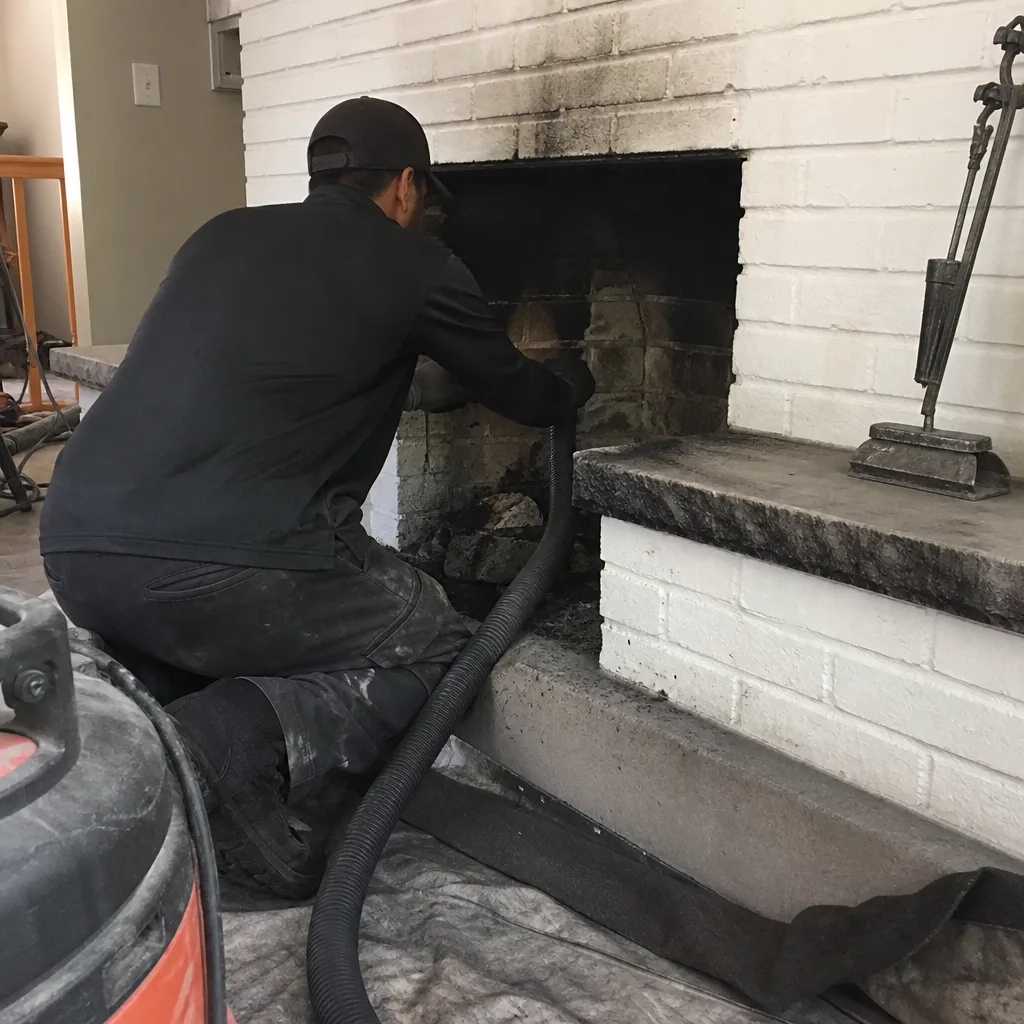 Before
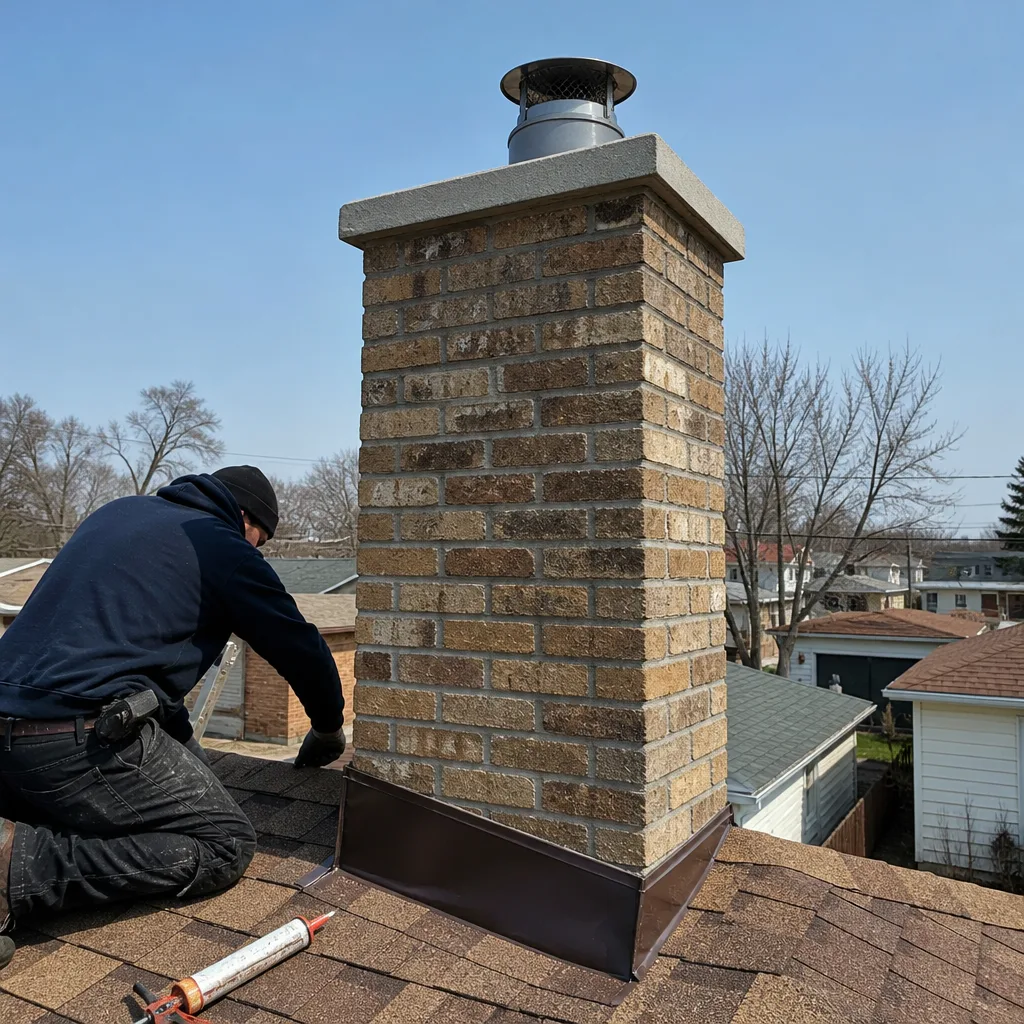 After
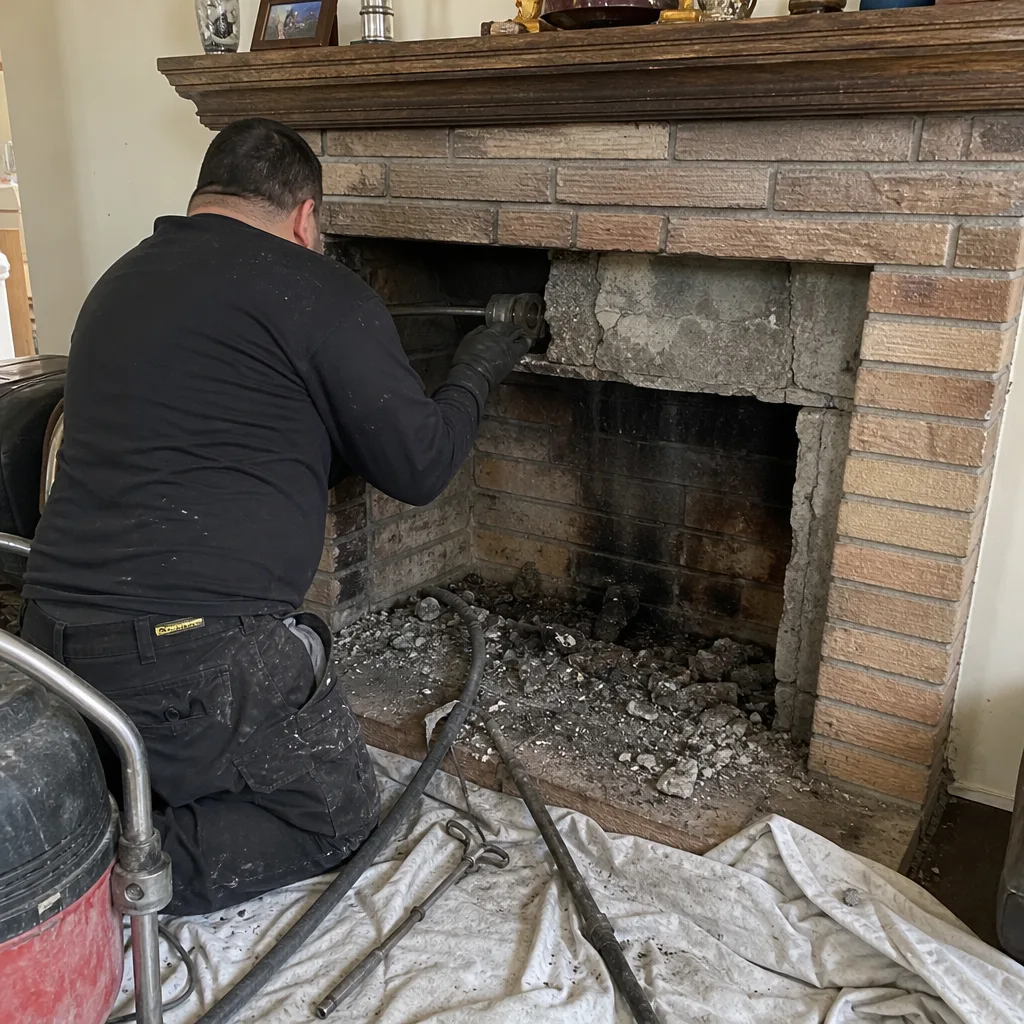 Before
 After
 Before
 After