
Last updated October 30, 2026
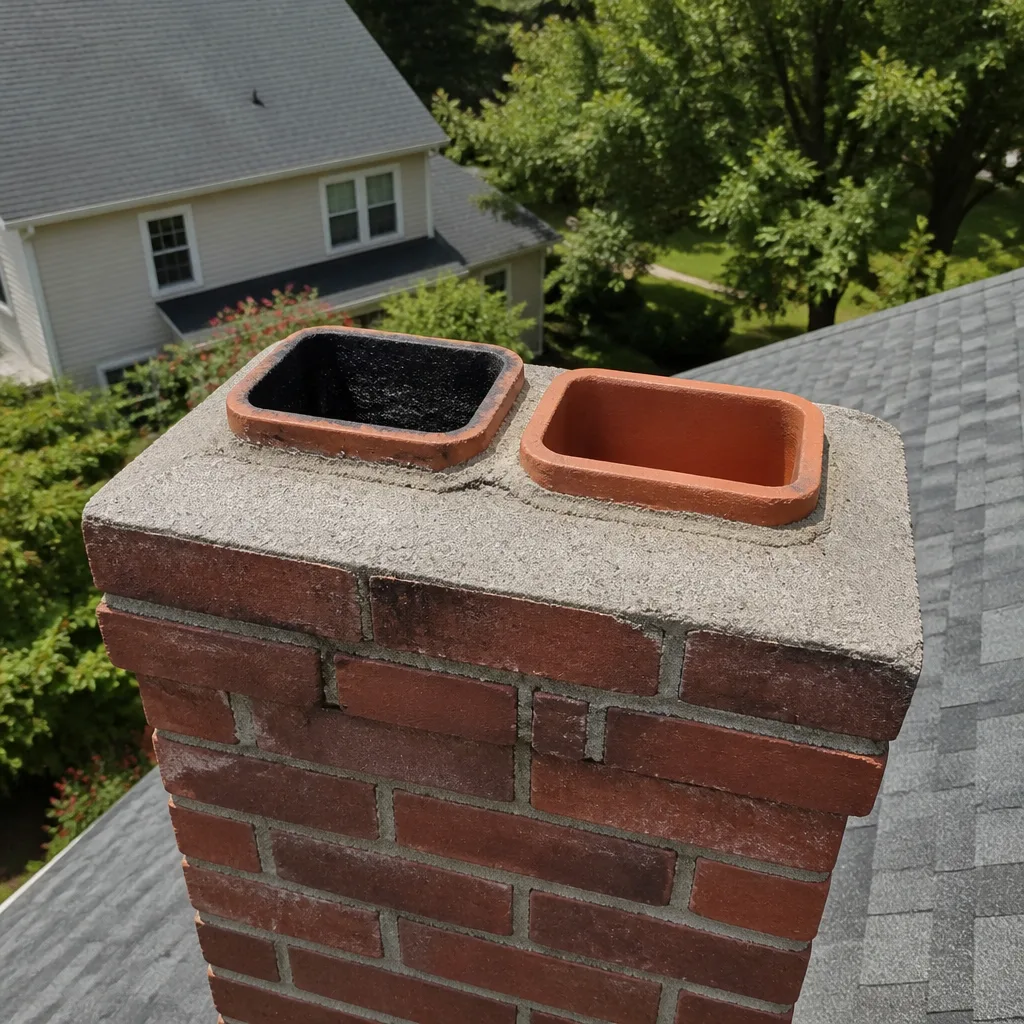 Sweep & inspection
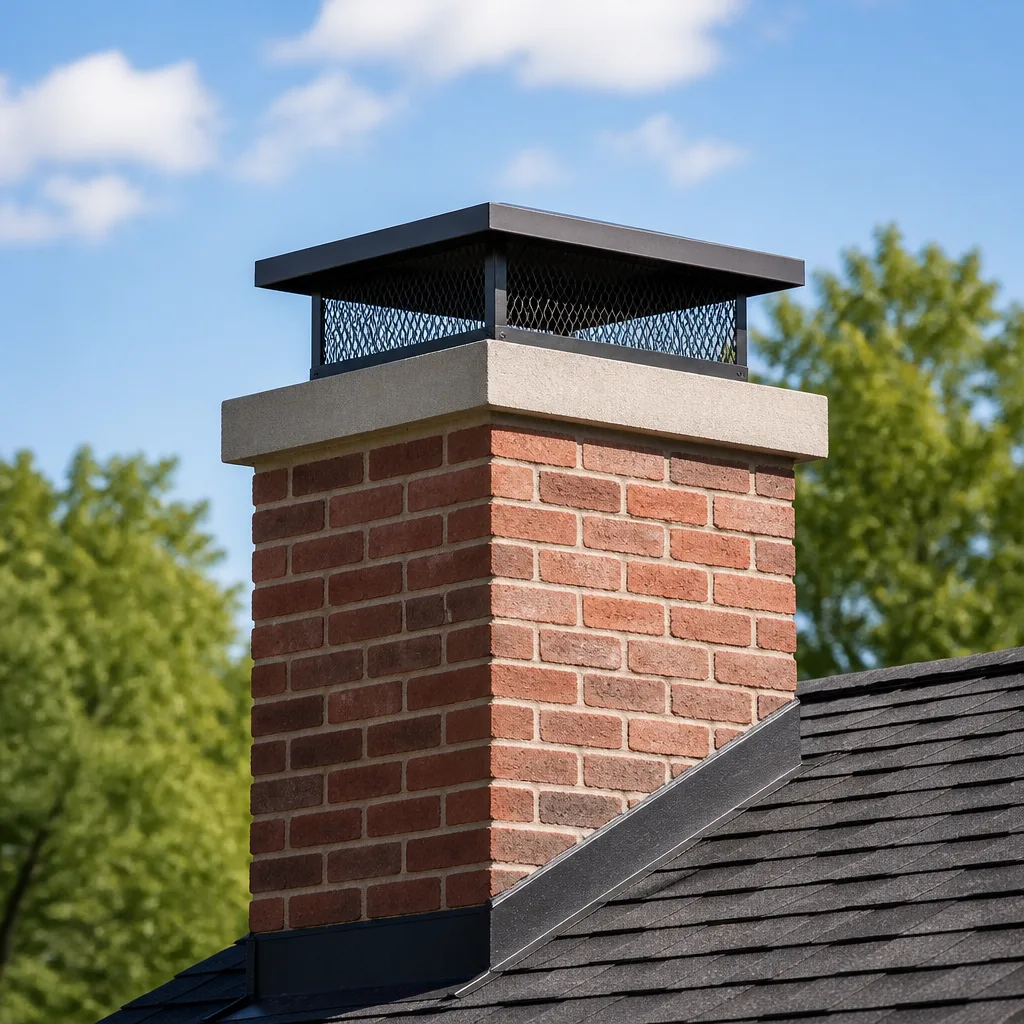 Caps & crowns
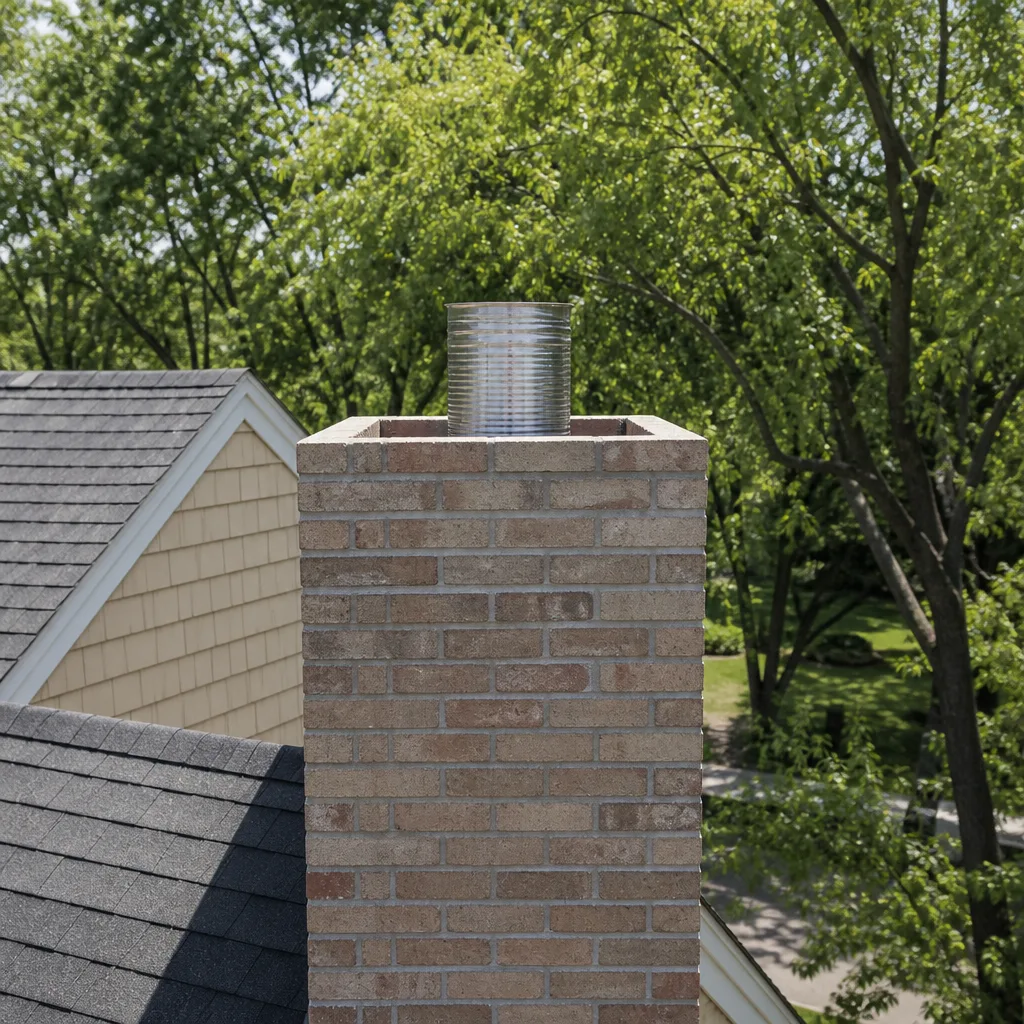 Flue relining
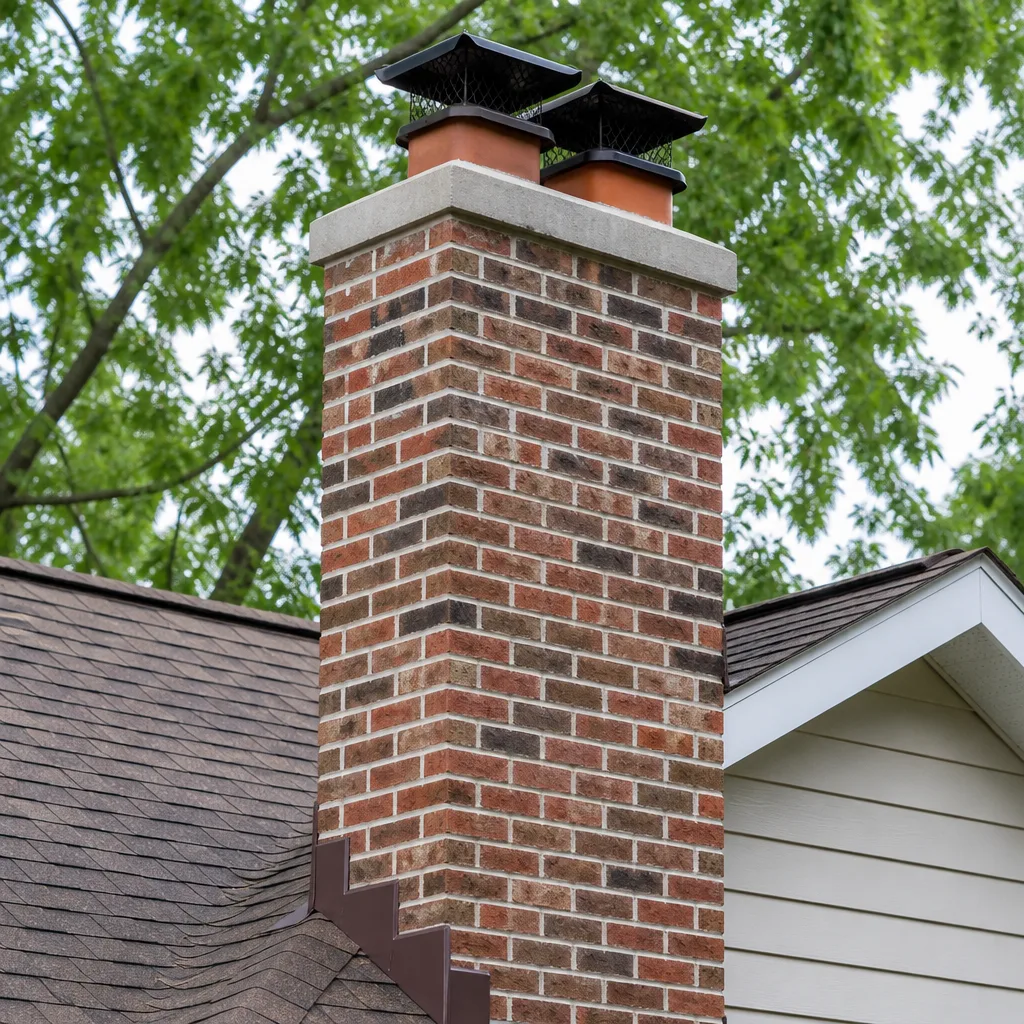 Masonry repair
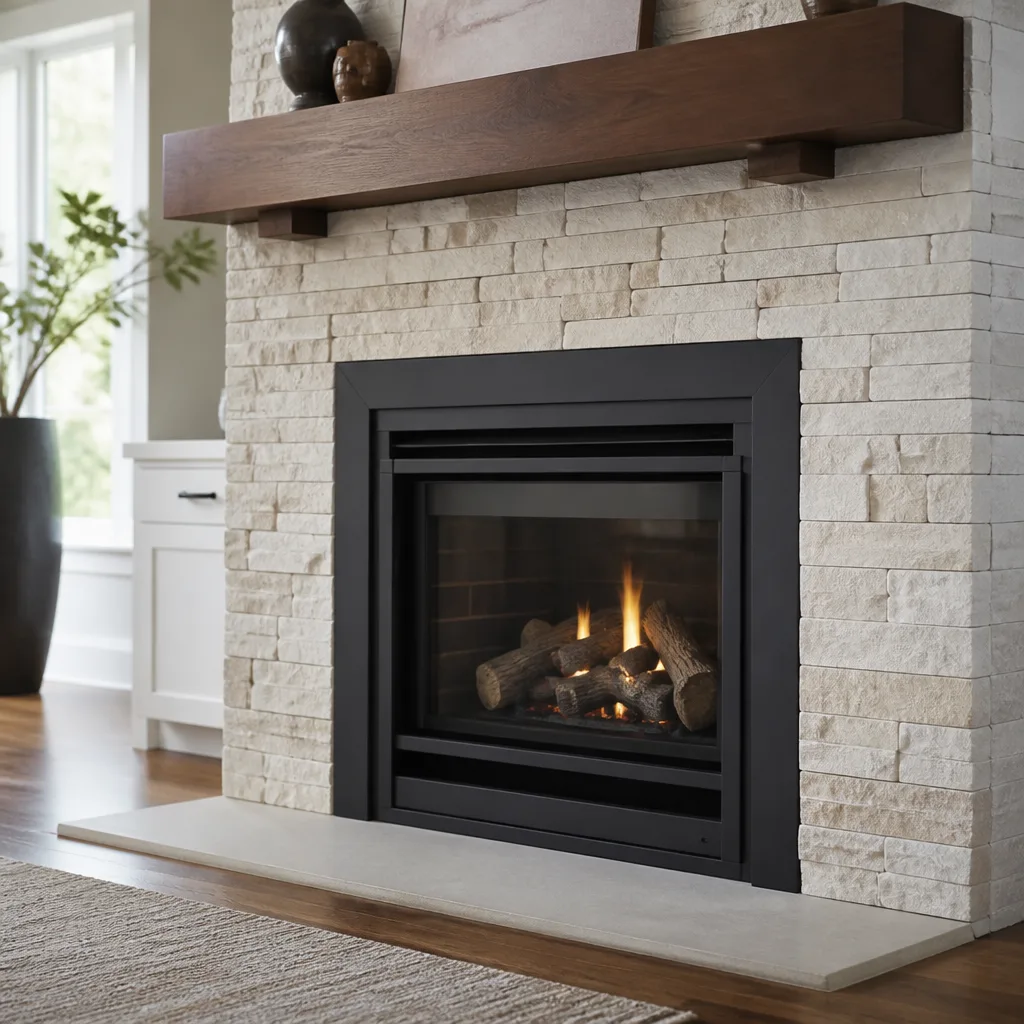 Gas fireplace service
Level 1 sweep and inspection to the NFPA 211 annual standard - flue, crown, cap, and flashing checked and photographed
Chimney sweep logs do not sweep chimneys. They loosen some creosote - which then falls where a brush and vacuum still have to collect it.
Chimney Cleaning Permits, Codes & Inspections in IL: What You Need to Know
Every year, homeowners across Illinois lose real estate deals over chimney work that was never permitted. It usually goes like this: a liner was replaced ten years ago, nobody pulled a permit, and now the buyer’s inspector flags it during escrow. The sale stalls, the seller pays a penalty or retroactive permit fee, and everyone wonders why a “simple chimney repair” became a legal problem. Here’s the thing most people miss: a routine chimney cleaning in Cicero or anywhere else in Illinois needs no permit, but the repairs and appliance installations that often follow one absolutely do—see our Chimney Cleaning Warning Signs: A Cicero Homeowner’s Reference Guide for when that cleaning should happen. This guide walks through exactly where that line sits, what Cook County and Cicero require, how NFPA 211 shapes local code, and what to do when you’re buying a home with questionable chimney history.
Quick Answer
Routine chimney sweeping and inspection requires no permit anywhere in Illinois. However, chimney repairs, liner installations or replacements, masonry rebuilds, and new appliance installations connected to the chimney almost always require a municipal building permit, and in some cases a separate inspection. Skipping that step means unpermitted work that can surface during a home sale, insurance claim, or municipal code enforcement action.
Styles & brands we work with
Table of Contents
- Chimney Cleaning vs. Chimney Repair: Where Illinois Draws the Permit Line
- NFPA 211: The National Standard That Illinois Code Falls Back On
- How Cook County and Cicero Handle Chimney Permits
- Level 2 Inspections and Illinois Real Estate: What’s Actually Required
- Chimney Liner Replacement: The Most Overlooked Permit in Illinois
- How to Verify Past Chimney Work on a Home You’re Buying
- Insurance Claims and Unpermitted Chimney Work in Illinois
- Common Mistakes to Avoid
- When to Call a Professional
- Frequently Asked Questions
Chimney Cleaning vs. Chimney Repair: Where Illinois Draws the Permit Line
Illinois doesn’t have a single statewide chimney code. What it has is a collection of adopted standards and local ordinances that all point in the same direction: cleaning is maintenance, and maintenance doesn’t need a permit. Repair, alteration, or replacement is construction, and construction does. This distinction comes from the Illinois Plumbing Code, local building codes adopted from the International Residential Code (IRC), and the International Mechanical Code (IMC), which most Illinois municipalities use as their baseline.
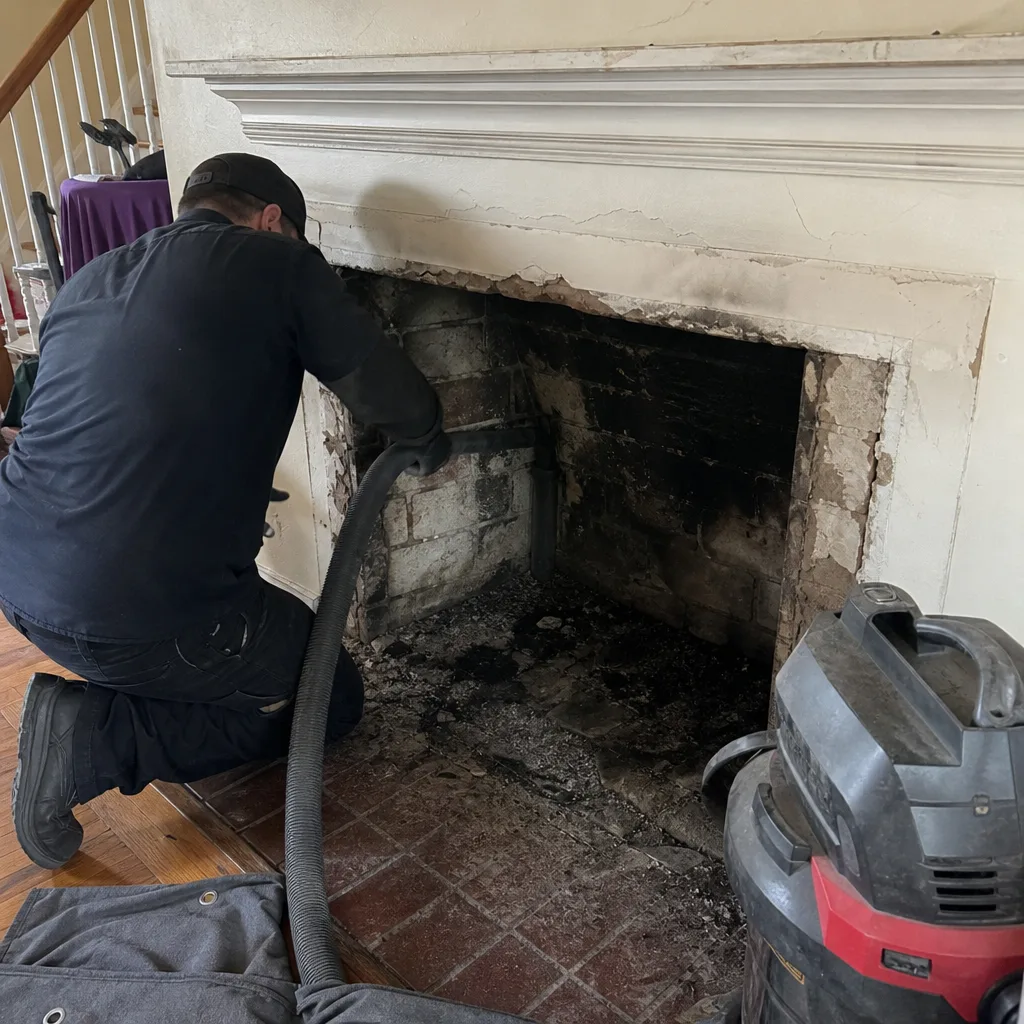
A chimney sweep removes creosote, soot, and debris from the flue. That’s it. No structural change happens. The chimney was already there, already permitted when the house was built, and scraping deposits off its interior surface is classified as cleaning. You don’t need a permit for that in Cicero, in Chicago, in Naperville, or anywhere else in the state. Our team at Wexford Chimney Sweep performs this work the same way every licensed sweep company does: mechanical brushing, HEPA vacuum extraction, and a visual inspection afterward. No permit application, no inspection scheduling, no municipal filing.
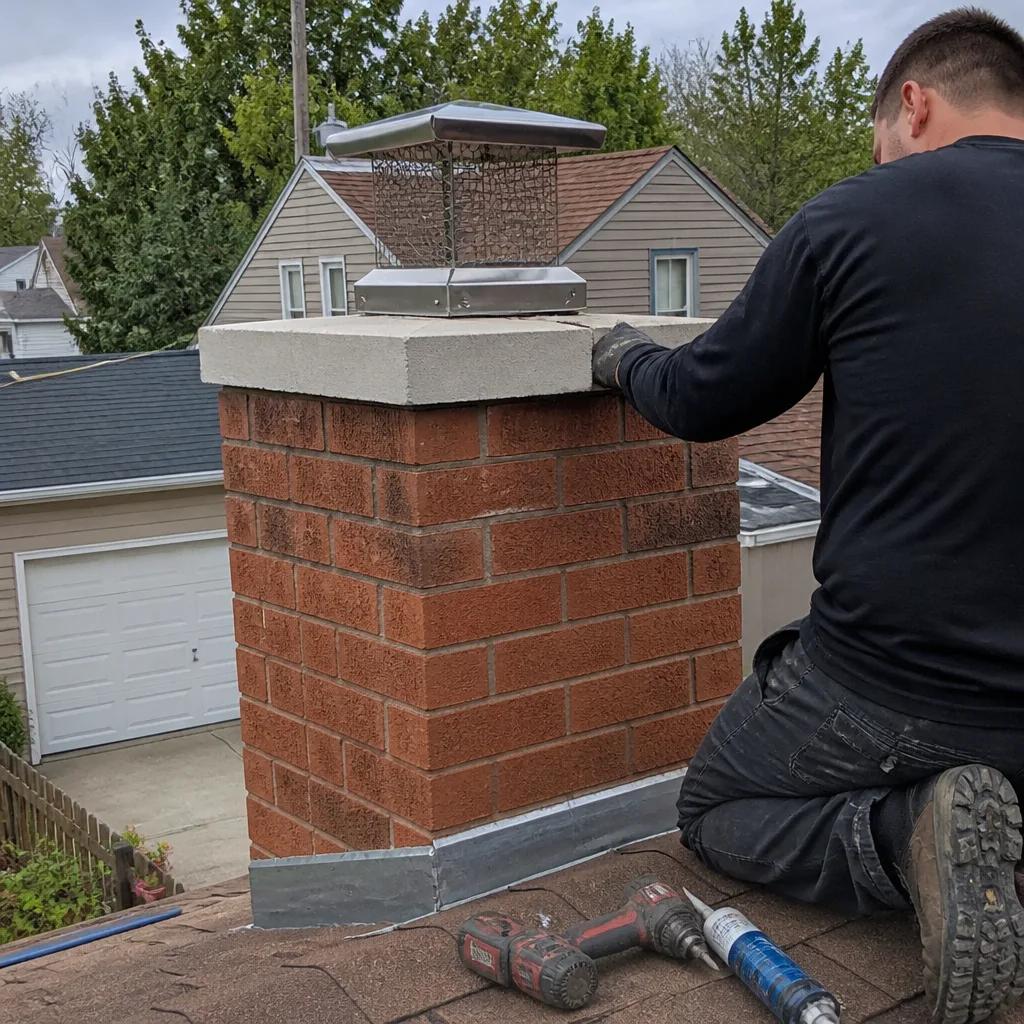
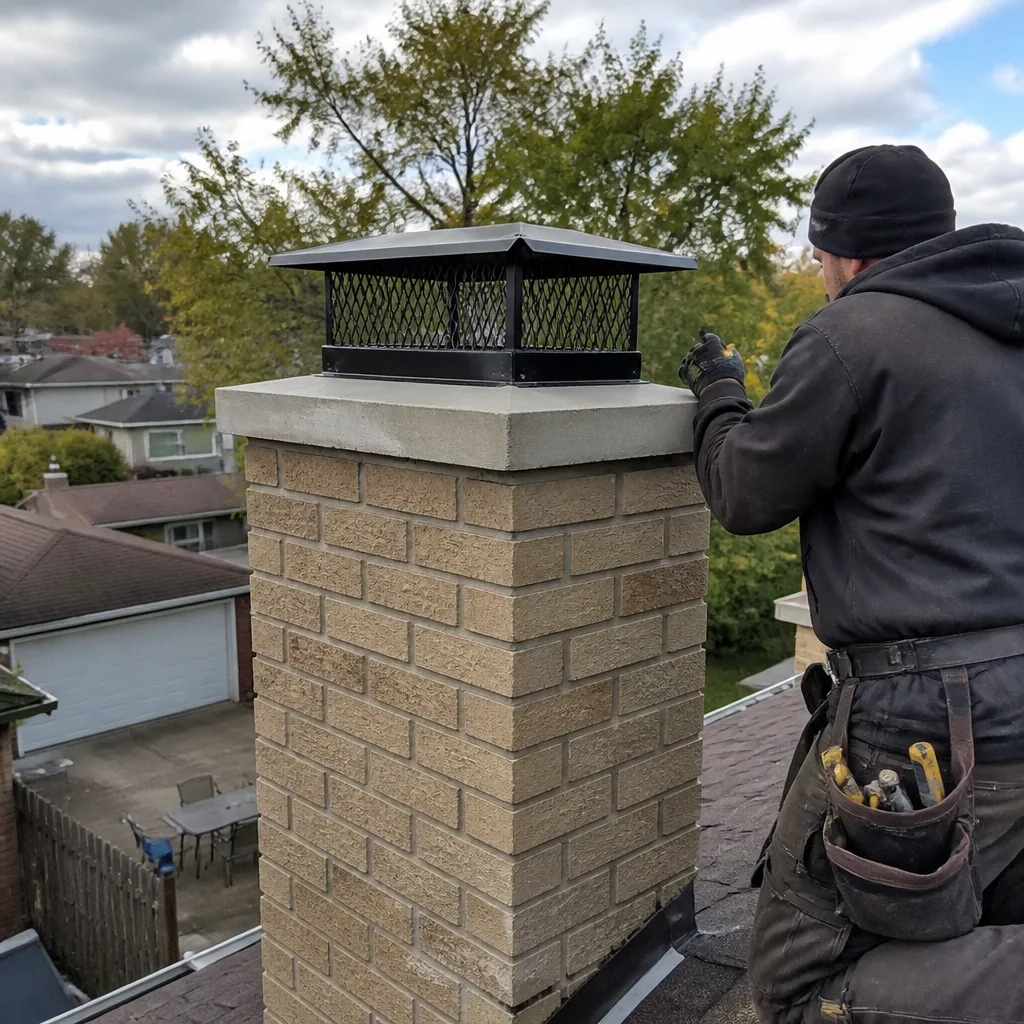
Things change the moment the work involves removing or altering any component of the chimney system. Replacing a chimney cap is a gray area in some Illinois municipalities, but relining a flue, rebuilding a crown, repointing a masonry chimney, replacing a damper assembly, or installing a new fireplace insert or stove with its own flue connection are all alterations that fall under the local building permit requirement. In Cook County, that means a permit from the county Department of Building and Zoning or from the municipality if you’re in an incorporated town like Cicero.
Here’s the practical test we tell homeowners—along with the full Chimney Sweep Maintenance Checklist for Cicero Homeowners: does the work change what the chimney is, what it’s made of, or how it functions? If the answer is yes, assume a permit is required until someone from the local building department tells you otherwise. If the answer is no and all you’re doing is removing combustion deposits, you’re cleaning, and no permit is needed.
What Typically Requires a Permit in Illinois
- Chimney relining – stainless steel liner installation, cast-in-place liner, or clay tile replacement all count as alterations to the flue system.
- Liner repair using HeatShield or similar systems – we’ve seen municipalities treat this as repair work that requires a permit, so we always verify locally before proceeding.
- Chimney rebuilds – anything from a partial tear-down of the crown to a full masonry rebuild from the roofline up.
- Fireplace insert or stove installation – any new appliance connected to the chimney needs an installation permit and typically an inspection after the fact.
- Structural masonry repair – repointing that involves removal of more than surface mortar, or rebuilding any portion of the chimney structure.
- Flue resizing or modification – changing the internal dimensions of the flue to accommodate a different appliance class.
What doesn’t require a permit: sweeping, visual inspection, Level 1 or Level 2 inspection (the inspection itself, not any repair it identifies), camera inspection, minor cap tightening when no structural change is involved, and replacement of a draft cap that doesn’t alter the flue geometry.
The permit line matters for one simple reason: unpermitted chimney work is discoverable. Municipal records show which addresses have had permits pulled, and a home inspector or a diligent buyer’s agent can check that in under an hour. When the chimney has clearly been relined but no permit exists, that’s a red flag that can kill a deal or trigger a post-closing correction. In our experience serving Cicero and the surrounding Cook County area, this happens more often than most homeowners realize.
NFPA 211: The National Standard That Illinois Code Falls Back On
NFPA 211 is the National Fire Protection Association standard for chimneys, fireplaces, vents, and solid fuel-burning appliances. It’s not a law in itself, but Illinois municipalities adopt it by reference, meaning it functions as the baseline technical standard for how chimneys are built, maintained, and inspected. When a local building inspector in Cicero reviews a chimney project, they’re applying NFPA 211 requirements, whether or not that’s called out on the permit application.
The standard covers three inspection levels that matter for homeowners:
- Level 1 inspection – performed during routine chimney sweeping when the appliance and venting system haven’t changed. This is what we do on every cleaning visit. It involves a visual check of accessible portions of the chimney interior and exterior, verification that no obstructions exist, and confirmation that the flue is free of combustible deposits.
- Level 2 inspection – required when the property is being sold or transferred, when the system has changed (new appliance, relining), or after a chimney fire. This involves everything in Level 1 plus accessible attic, crawlspace, and roof areas, and typically a camera scan of the flue interior.
- Level 3 inspection – required when a Level 1 or Level 2 inspection indicates a hidden hazard that may require removing portions of the chimney structure to fully assess. This is the deepest level and is rarely needed on routine maintenance visits.
Illinois has no statewide law requiring a Level 2 inspection at the point of home sale, but the standard exists as a national reference, and many home inspectors in Cook County will recommend one when they see any sign of past chimney fire, water damage, or flue deterioration. A Level 2 inspection report with a camera scan is now considered best practice for any real estate transaction involving a fireplace or wood-burning appliance, even though it’s not a statutory requirement.
What NFPA 211 says about clearances, flue sizing, and materials is what we build to when we do repair work in Cicero. Any liner installation we perform with DuraFlex product lines meets or exceeds the standard’s requirements for stainless steel flue systems. When we assess whether an existing liner needs repair or replacement, we’re comparing what we see against NFPA 211’s defined conditions. That’s the spec a building inspector will hold the work to, so it’s the spec we hold ourselves to.
For homeowners, the key NFPA 211 takeaway is this: the standard says chimneys should be inspected at least once a year, cleaned as needed, and any modification to the venting system must be evaluated for clearance, sizing, and material compatibility. That’s the professional gold standard in Illinois, and it’s the baseline any reputable sweep company follows.
How Cook County and Cicero Handle Chimney Permits
Cicero is an incorporated town in Cook County, which means it has its own municipal building department and its own permit process. That’s different from unincorporated Cook County, where the county’s Department of Building and Zoning acts as the authority having jurisdiction, and different from Chicago, which has its own entirely separate system. The distinction matters because the same chimney repair done in three different locations can have three different permit paths.
In Cicero, chimney repairs and liner installations require a building permit from the town’s Building Department. That typically means submitting a permit application, describing the scope of work, and paying a fee based on the project value. For a straightforward stainless steel liner installation, the permit is usually straightforward. For a chimney rebuild or major structural repair, Cicero may require architectural drawings or a structural engineer’s sign-off, depending on the scope. Every municipality in Cook County has its own variations on this, and the only reliable way to know what’s required is to call the local department directly or have your contractor handle the paperwork.
Here’s what we’ve seen in practice serving Cicero homeowners: the town’s inspectors generally look for whether the work changes the structure or the venting pathway. A cleaning visit draws no attention, and that’s appropriate. A liner replacement or cap replacement with structural anchoring does draw attention, and if the homeowner skips the permit, the town can flag the property during any subsequent permit application or inspection. That flag can then show up when the home goes on the market.
One nuance many homeowners miss: even when the town doesn’t specifically call out “chimney relining” as a permit category, it falls under general building alterations. We’ve had Cicero clients tell us they thought a liner replacement was “maintenance” because it didn’t change the fireplace’s appearance. The building department doesn’t see it that way, and neither does the home inspector who notices a brand-new stainless liner in a 40-year-old chimney with no corresponding permit on file.
Our recommendation for Cicero homeowners is simple: if the work involves any of the items on the “requires a permit” list above, let the permit process happen. A legitimate chimney contractor will handle it as a normal part of the job. If a contractor tells you a permit isn’t needed for liner work or structural repair, get that in writing and verify with the town yourself. The time spent checking is nothing compared to the cost of correcting unpermitted work during a sale.
Level 2 Inspections and Illinois Real Estate: What’s Actually Required
No Illinois statute requires a Level 2 chimney inspection at the point of sale. But real estate practice has moved in that direction, and most experienced agents in Cook County now recommend one for any home with a fireplace or wood-burning appliance. Here’s why: the standard home inspection doesn’t include a camera scan of the flue interior, and it doesn’t evaluate the chimney system against NFPA 211. It notes visible damage, missing caps, rusted dampers, and spalling brick. It can’t tell you whether the flue tiles have hairline cracks, whether the liner has pinholes, or whether creosote has glazed to a dangerous level inside the flue.
A Level 2 inspection closes that gap. It includes a camera scan, access to the roof and attic where possible, and a written report that details what’s found. In a real estate transaction, that report becomes part of the negotiation. If it identifies a cracked flue, a buyer can request a repair credit or ask the seller to reline the chimney before closing. If the seller refuses and the deal still closes, the buyer has documentation that they can use to negotiate after the fact, though that’s a weaker position.
For Illinois home sellers, the smart move is to have a Level 2 inspection done before listing, or at minimum before the buyer’s inspector arrives. That way any issues are known, priced, and addressed on your timeline. In Cicero, where older housing stock means older chimneys, we regularly see this pay off. A pre-listing Level 2 inspection that identifies a repairable liner issue costs a few hundred dollars. The same issue surfacing during escrow can cost thousands in concessions or scare a buyer off entirely.
NFPA 211 itself says a Level 2 inspection is required when the property is sold or transferred. Whether anyone enforces that varies by municipality and transaction type. But the standard exists, it’s the professional norm, and buyers’ agents increasingly expect it. Our experience is that Illinois homes where the chimney has never been camera-inspected sell slower and negotiate harder when chimney issues are part of the inspection report. That’s avoidable.
What a Level 2 Inspection Report Includes
- Visual examination of all accessible chimney interior and exterior surfaces, including the flue interior via camera.
- Check of proper clearance from combustibles in accessible areas, including attic and crawlspace where possible.
- Verification that the flue is properly sized for the connected appliance.
- Assessment of creosote buildup, glaze, and any evidence of past chimney fire.
- Identification of cracks, gaps, spalling, or water entry points.
- Written report with photos and video stills, plus recommendations for any repair work identified.
Chimney Liner Replacement: The Most Overlooked Permit in Illinois
If there’s one chimney project that generates the most unpermitted-work problems in Illinois, it’s the chimney liner replacement—something we cover in our Chimney Sweep Troubleshooting: Common Problems and How to Fix Them. Homeowners often don’t know a permit is required. Some contractors, especially out-of-area crews, don’t pull one because they know it slows the job down. And because a liner replacement is internal and invisible from the street, code enforcement has no way to flag it at the time. The problem only surfaces later, when a home inspector, mortgage appraisal, or title search picks up the discrepancy.
Here’s the scenario we see repeatedly in Cicero and surrounding Cook County towns: a homeowner relines a chimney in 2015 with no permit. The liner works fine. In 2023, they sell the home. The buyer’s inspector notes the new liner and asks for the permit. There isn’t one. The buyer’s lender may ask for documentation that the work was done to code. The seller can’t provide it. The deal either stalls while the permit is retroactively pulled (which isn’t always possible), or the buyer asks for a price reduction to cover the perceived risk.
A stainless steel liner installation in Cook County typically requires a permit because it’s an alteration to the venting system. The liner itself is a UL-listed product, and professional-grade brands like Olympia Chimney and Copperfield manufacture systems that meet NFPA 211 and UL 1777 standards. But the product being code-compliant doesn’t mean the installation is automatically permitted. Those are two separate things, and both need to be true.
Our practice at Wexford Chimney Sweep is to handle the permit paperwork for any liner work we perform in Cicero or nearby towns. We know which municipalities require what, we know what the inspectors look for (proper connection at the appliance, proper termination height at the top, correct sizing), and we can provide the documentation a future buyer or their inspector will want. If a homeowner tells us they’ve had liner work done in the past and they’re unsure whether it was permitted, we can check the visible condition and advise on next steps, including whether retroactive permitting is worth pursuing.
The takeaway: liner replacement is not a maintenance item. It’s an alteration. Treat it accordingly from day one and you’ll never face the sale-day surprise.
How to Verify Past Chimney Work on a Home You’re Buying
If you’re buying a home in Illinois and the seller says the chimney was relined, rebuilt, or had any significant work done, verify it. Do not take the listing’s word for it. Here’s the step-by-step process we recommend to Cicero buyers, though it applies anywhere in the state.
- Ask for the permit number. Any permitted chimney work generates a permit record with the municipal building department. In Cicero, that’s the town’s Building Department. Ask the seller or their agent for the permit number, then verify it yourself by calling the department. If they can’t produce one, move to step 2.
- Request the contractor’s invoice and license information. Illinois doesn’t have a statewide chimney contractor license, but most municipalities in Cook County require some form of local registration. The invoice should show the company name, scope of work, and date. Cross-check that company against the local building department’s list of registered contractors if one exists.
- Get a Level 2 inspection with camera scan. Even if the permit exists and the contractor was reputable, the only way to confirm current condition is a camera inspection. In Cicero’s older housing stock, we’ve inspected chimneys that had permitted, properly-installed liners that were later damaged by water, animals, or a subsequent chimney fire. The permit tells you it was legal when done. The inspection tells you it’s safe now.
- Check the municipal property file. Many Cook County municipalities maintain a file for each address that shows all permits pulled over the property’s lifetime. You can often request this from the building department directly. It’s public record, and it takes less than 30 minutes in most cases.
- If unpermitted work is discovered, negotiate before closing. Your options are: ask the seller to pull a retroactive permit (possible in some Illinois municipalities, not in others), ask for a price reduction to account for the risk, or walk away if the work was substantial and the seller is unwilling to address it. Don’t accept “it was done a long time ago” or “the contractor said no permit was needed” as the final word.
One more thing: unpermitted chimney work is not automatically a dealbreaker. Sometimes the work was done properly and just not permitted. In those cases, a current Level 2 inspection that verifies proper installation and safe condition can satisfy a buyer and a lender. The key is that the buyer goes into the transaction with their eyes open and negotiates from a position of knowledge, not assumption.
Insurance Claims and Unpermitted Chimney Work in Illinois
Here’s the second area where unpermitted chimney work causes pain: insurance claims. If you file a claim for chimney-related damage in Illinois and the insurance adjuster determines that unpermitted work was performed on the chimney, your claim can be denied, or your policy premium can be adjusted, or in extreme cases your coverage can be non-renewed. That’s not a hypothetical. Illinois insurers have become increasingly diligent about looking at permit records when evaluating chimney fire claims and water damage claims tied to chimney structure.
The logic is straightforward: an unpermitted liner installation is unverified work. The insurer has no way to know if it was done to code. If a chimney fire occurs in a chimney with an unpermitted liner, the insurer can argue the risk was created by work that was never approved by the authority having jurisdiction. That’s a fight most homeowners don’t win.
What cleans this up is documentation. A permitted liner installation, with the final inspection approval on file, is a defensible position. A receipt from a registered chimney contractor showing a professional-grade liner system (like the DuraFlex products we use on liner work in Cicero) plus the permit record plus the final inspection is the cleanest possible scenario. It’s the difference between an insurance claim that gets paid and one that gets litigated for months.
For existing unpermitted work, remediation depends on scope. A current Level 2 inspection can sometimes satisfy an insurer that the work, though unpermitted at the time, was performed to an acceptable standard and remains safe in its current condition. In other cases, a retroactive permit is possible. In still others, the homeowner is stuck with a disclosure obligation and a challenged claim. The least expensive path is always to permit the work correctly the first time.
Common Mistakes to Avoid
- Assuming cleaning and repair are the same category. A chimney sweep in Cicero requires no permit. A liner replacement does. Conflating the two is the single most common error we see, and it’s the one that causes the most sale-day problems.
- Letting an out-of-area fly-by-night contractor skip the permit. Some crews quote low by skipping permits, then disappear before the problem surfaces. If a contractor tells you a liner permit isn’t needed in Cook County, verify with the municipality directly.
- Skipping the Level 2 inspection when buying or selling. The standard home inspection doesn’t include a flue camera scan, and that gap is where hidden damage lives. A few hundred dollars for a Level 2 inspection is cheap compared to the negotiation leverage it gives you.
- Filing an insurance claim without permit documentation. If the chimney work was done unpermitted and you file a claim, expect the insurer to ask the question. Having the permit and inspection record on file turns a denial into a payment.
- Waiting until the home is under contract to address chimney issues. A pre-listing inspection in Cicero lets you fix problems on your own timeline and price. Discovering them during escrow means the buyer controls the negotiation.
- Accepting “it was done to code” without documentation. Anyone can say it. The permit file, the inspection approval, and the contractor’s invoice are what actually prove it. Ask for all three.
- Treating chimney caps and crowns as purely cosmetic. A damaged cap or crown lets water in, and water damage drives the most expensive chimney repairs we perform. In Illinois winters, freeze-thaw cycles accelerate that damage every season.
When to Call a Professional
Call a professional chimney company when you’re buying or selling a home with a fireplace and want a Level 2 camera inspection that will hold up in a real estate negotiation. Call when you’ve been told you need liner work, masonry repair, or an appliance installation and you want the permit handled correctly from day one. Call when you’ve spotted water staining near the chimney, crumbling mortar, a rusted damper, or a chimney cap that’s missing entirely. And call when you’ve just discovered that past chimney work on your home was unpermitted and you need to know what remediation makes sense. Wexford Chimney Sweep offers free estimates in Cicero. Call (866) 361-2607 and we’ll walk through what you’re dealing with.
Frequently Asked Questions
No. Chimney sweeping is classified as routine maintenance, not construction, and no Illinois municipality requires a permit for it. A cleaning involves removing creosote and soot from the existing flue without altering any structural component. You can schedule a sweep in Cicero, Chicago, or any other Illinois town without any permit paperwork. The permit requirement only kicks in when the work changes the structure or venting system.
Chimney sweeping in the Cicero area typically runs from $150 to $350 depending on the flue condition, the appliance type, and whether additional services like a camera inspection are added. A standard Level 1 sweep and inspection for a single flue is on the lower end of that range. Call (866) 361-2607 for an exact quote, and estimates are always free.
No Illinois statute requires a Level 2 inspection at the point of sale, but NFPA 211 recommends it, and most experienced real estate professionals in Cook County now treat it as standard practice. Buyers increasingly ask for a camera inspection as a condition of the sale. In Cicero, where older chimneys are the norm, a pre-listing Level 2 inspection can prevent a deal from falling apart during escrow.
You have an unpermitted alteration on your property that can surface during a home sale, an insurance claim, or a municipal code inspection. In many Cook County municipalities, retroactive permitting is possible but not guaranteed. A current Level 2 camera inspection can sometimes demonstrate that the unpermitted work was done to an acceptable standard. The safest path is to contact your local building department in Cicero or wherever the property sits and ask what remediation option applies.
Not directly. NFPA 211 is a standard, not a law. But Illinois municipalities adopt it by reference, meaning local building inspectors apply its requirements when evaluating chimney work. When we perform liner installations in Cicero using products that meet NFPA 211 and UL 1777 standards, we’re building to the same spec the inspector will hold the work to. In practice, NFPA 211 functions as the technical code for chimneys in Illinois.
Minor maintenance like replacing a draft cap or tightening a loose cap screw typically doesn’t need a permit. Anything involving the flue, the liner, the masonry structure, or the connection to an appliance requires a permit and, in most cases, a professional. Chimney work on a roof carries fall risk, and liner work involves combustion safety that can go wrong in ways that aren’t visible until a fire starts. If you’re in Cicero and unsure whether your project needs a permit, call (866) 361-2607 and ask. We’ll tell you straight what’s required.
The Bottom Line
Chimney cleaning in Illinois needs no permit, and that’s as it should be. Regular sweeping and inspection are maintenance, pure and simple, and staying on top of them prevents the expensive problems that do require permits. But the repairs, liner replacements, and appliance installations that often follow a cleaning are construction work, and Illinois municipalities from Cicero to downstate treat them accordingly. The permit exists to document that the work was done to code, and that documentation is what protects you during a home sale, an insurance claim, or a code challenge. Pull it, file it, keep it. And if you’re ever unsure whether your chimney work falls on the permit side of the line, call someone who works with these codes every day. Call us at (866) 361-2607. We serve homeowners across Cicero and the wider Cook County area with Wexford Chimney Sweep home services, from Chimney Sweep in Cicero to Chimney Repair in Cicero, and Dryer Vent Cleaning in Cicero when the lint hazard needs the same attention as the flue.
Written by the team at Wexford Chimney Sweep, serving Cicero since 2013. Explore more guides & resources on chimney care and safety.
See the difference
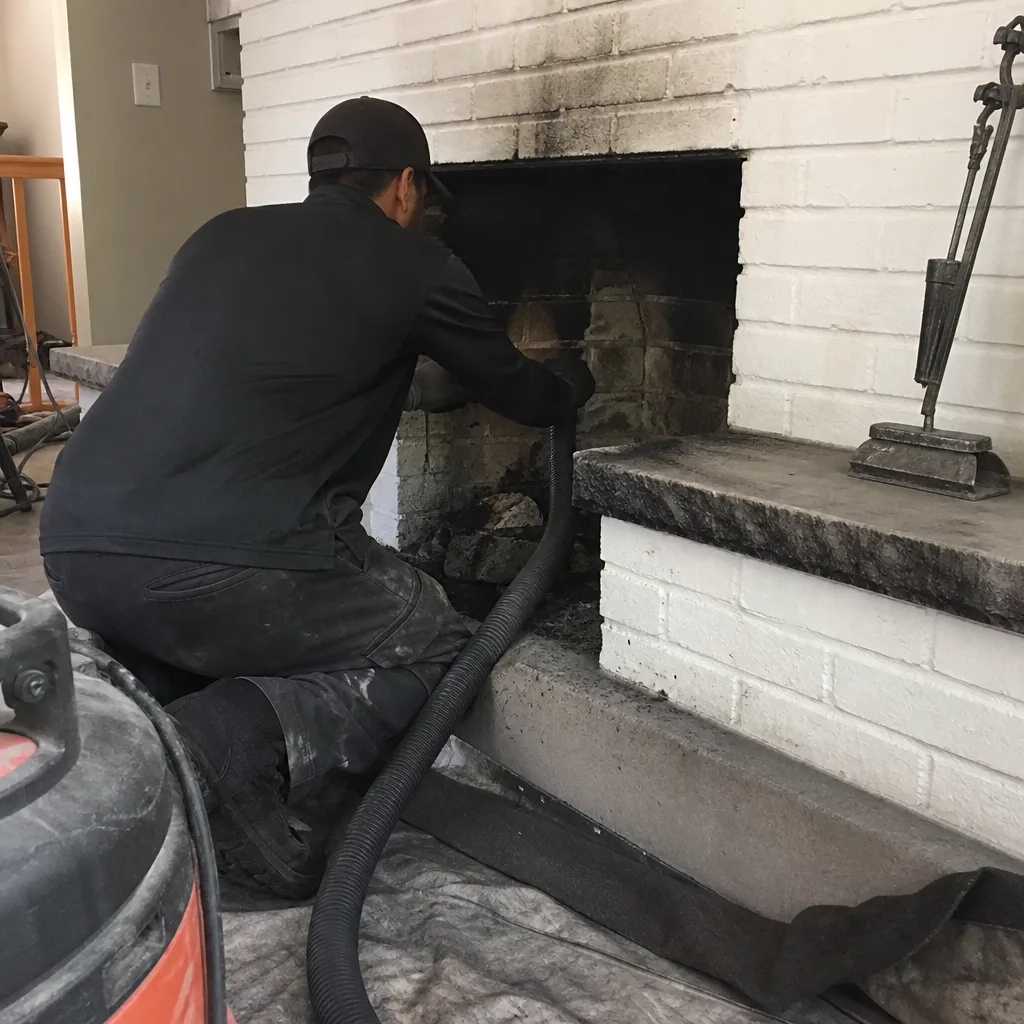 Before
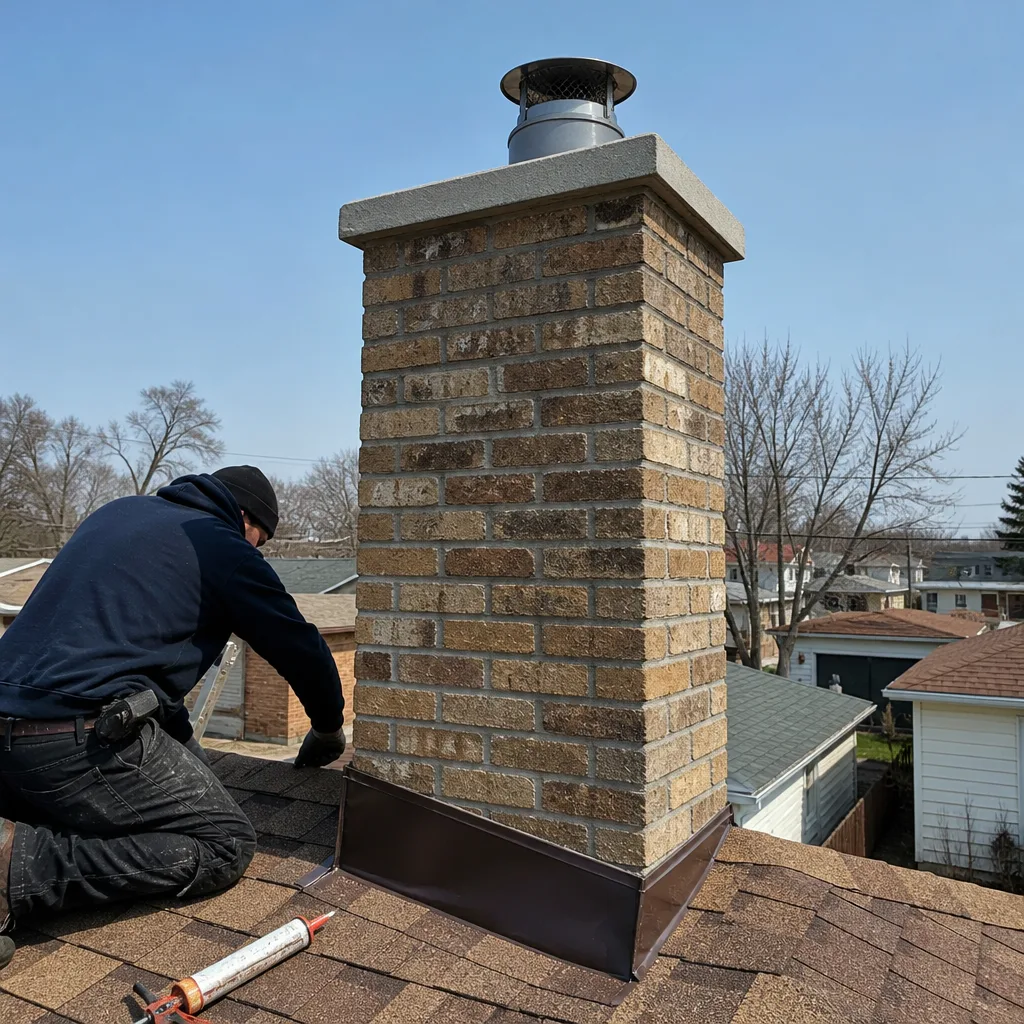 After
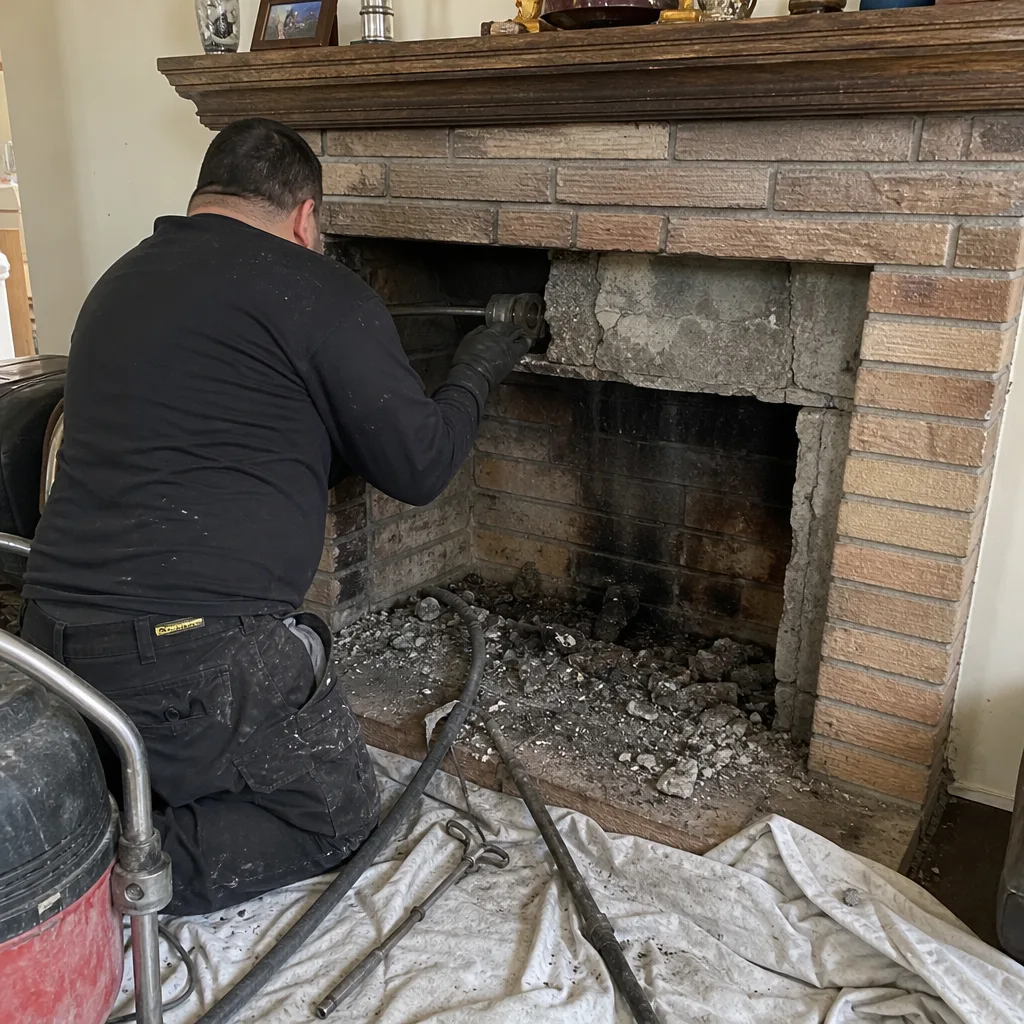 Before
 After
 Before
 After