
Last updated October 30, 2026
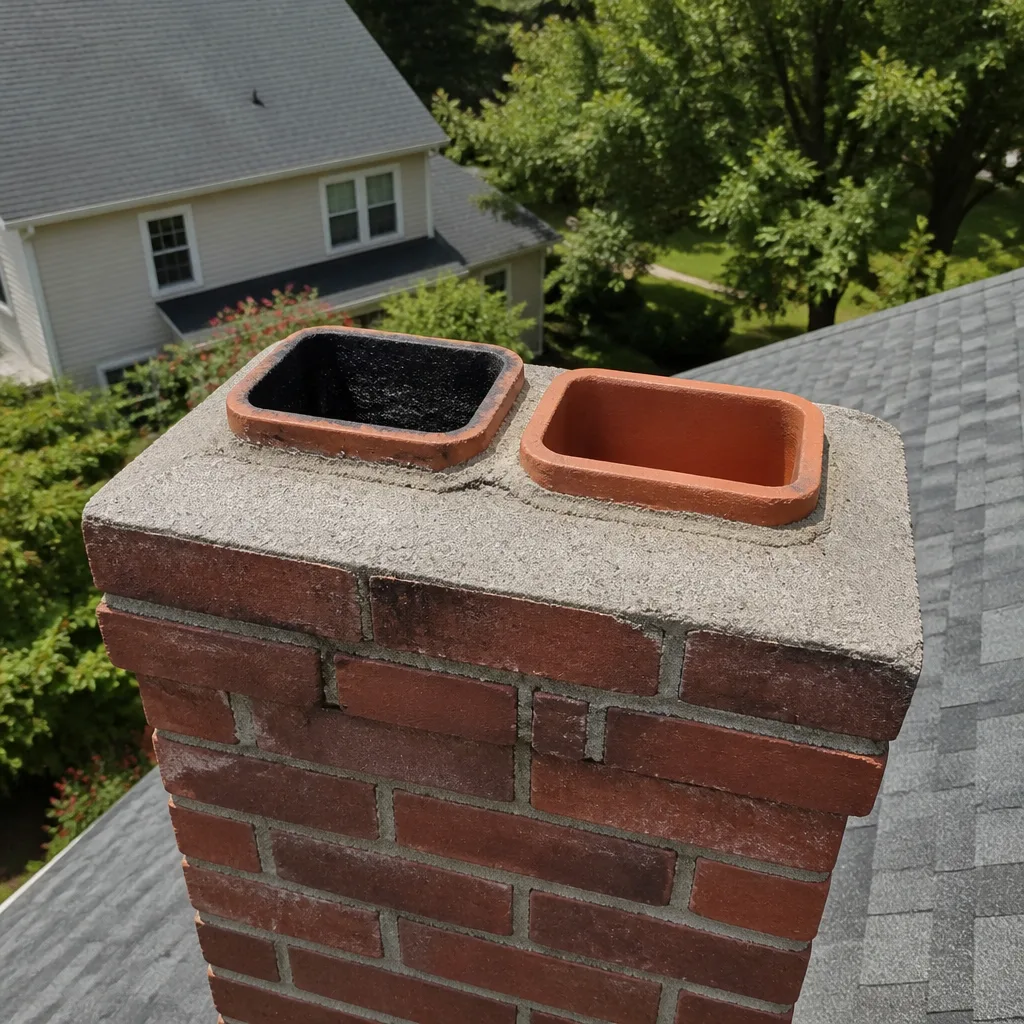 Sweep & inspection
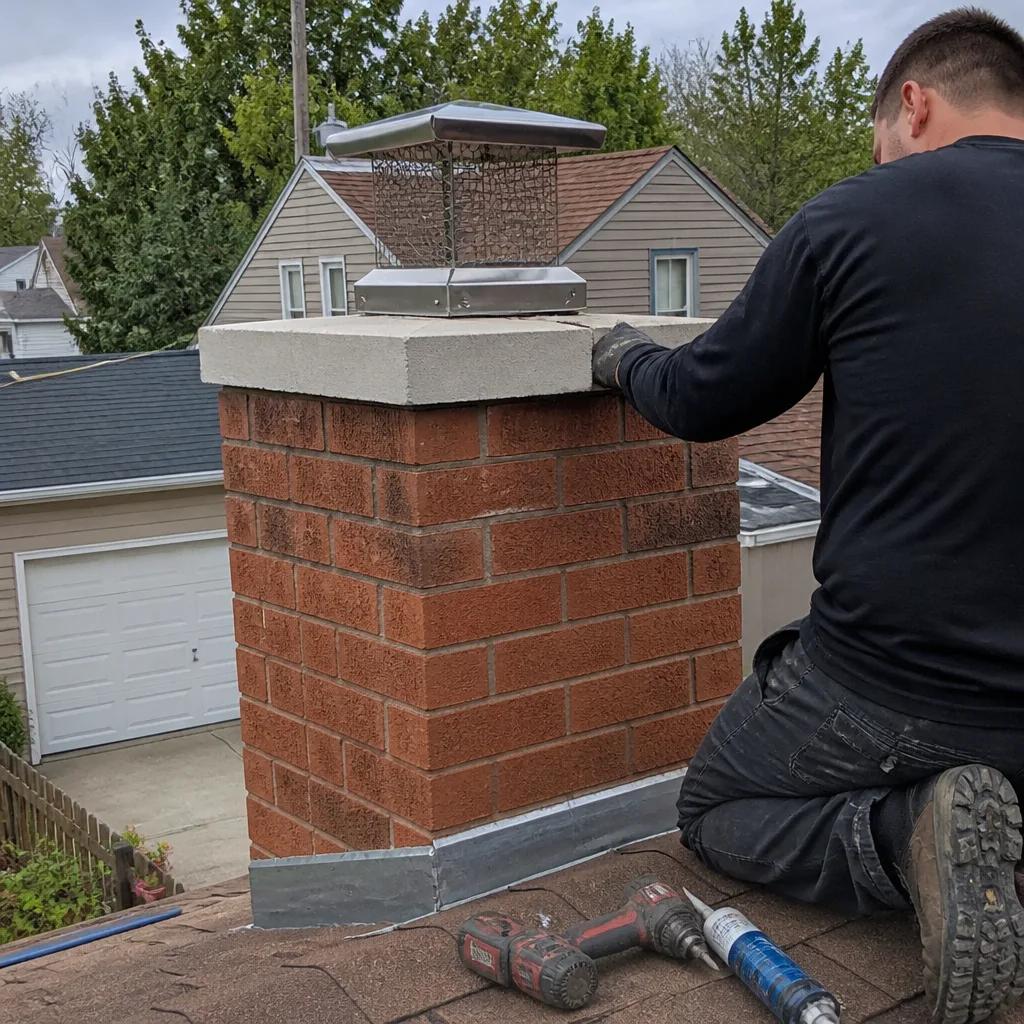
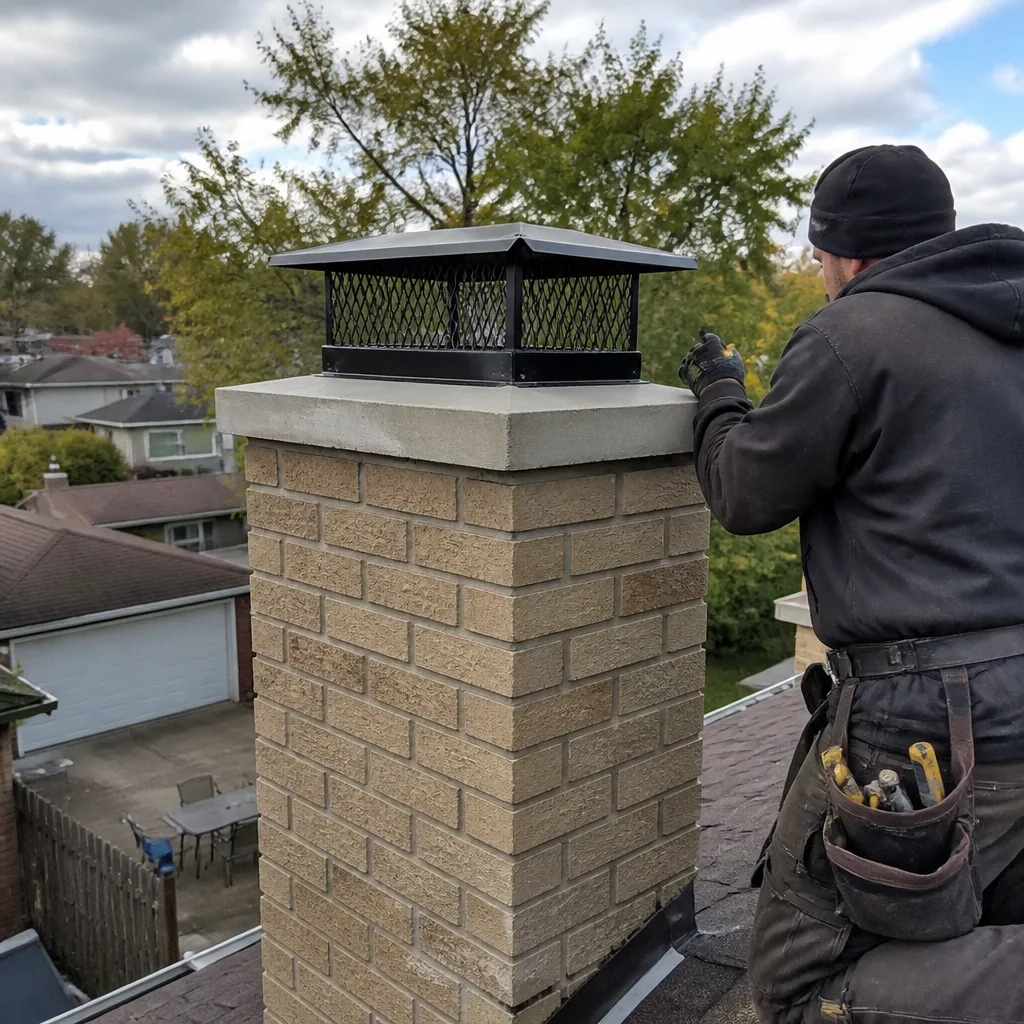
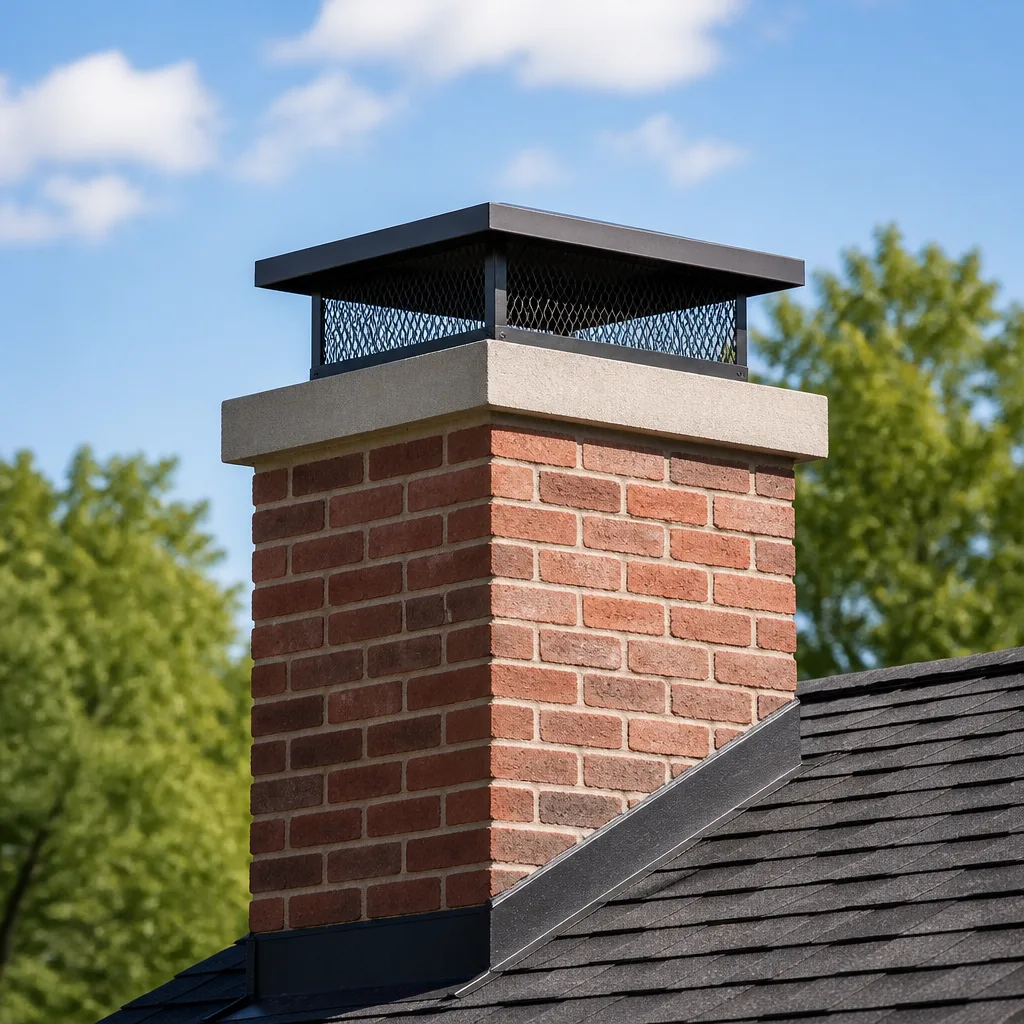 Caps & crowns
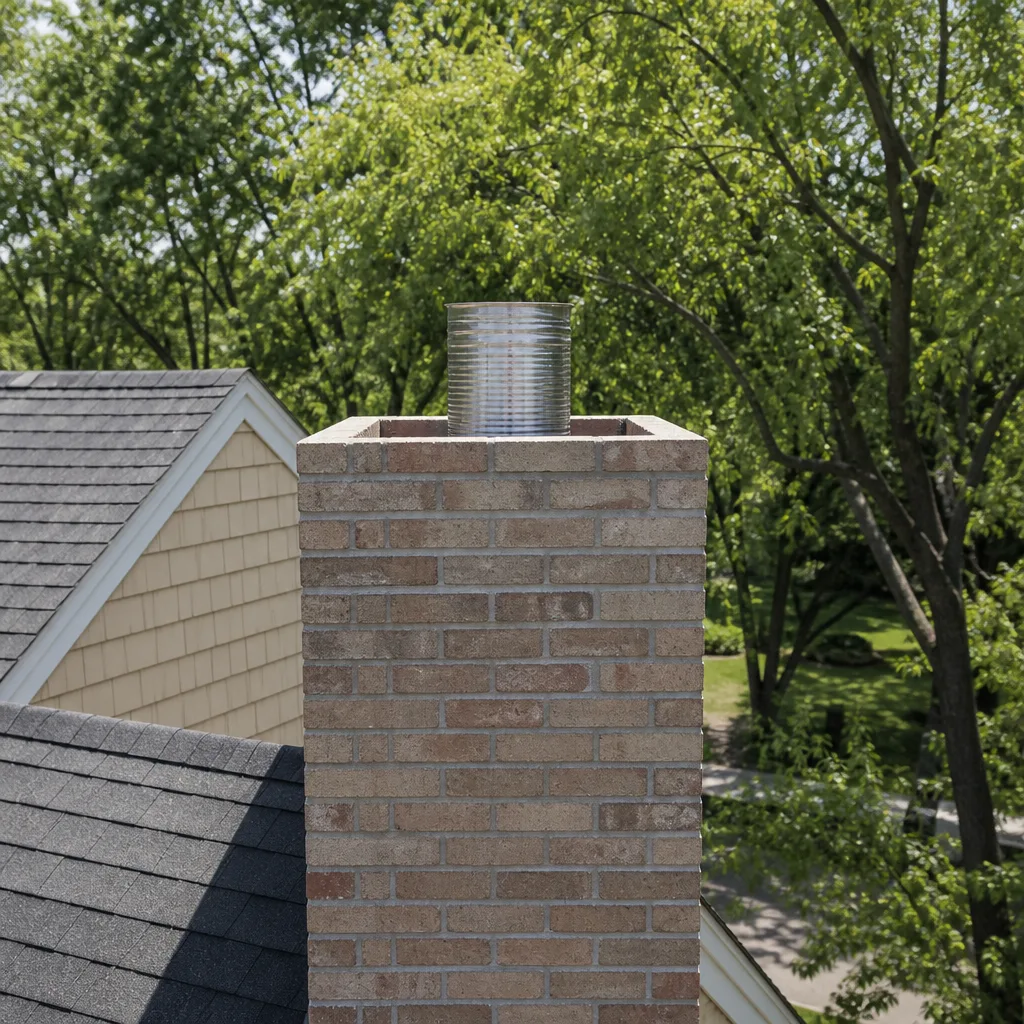 Flue relining
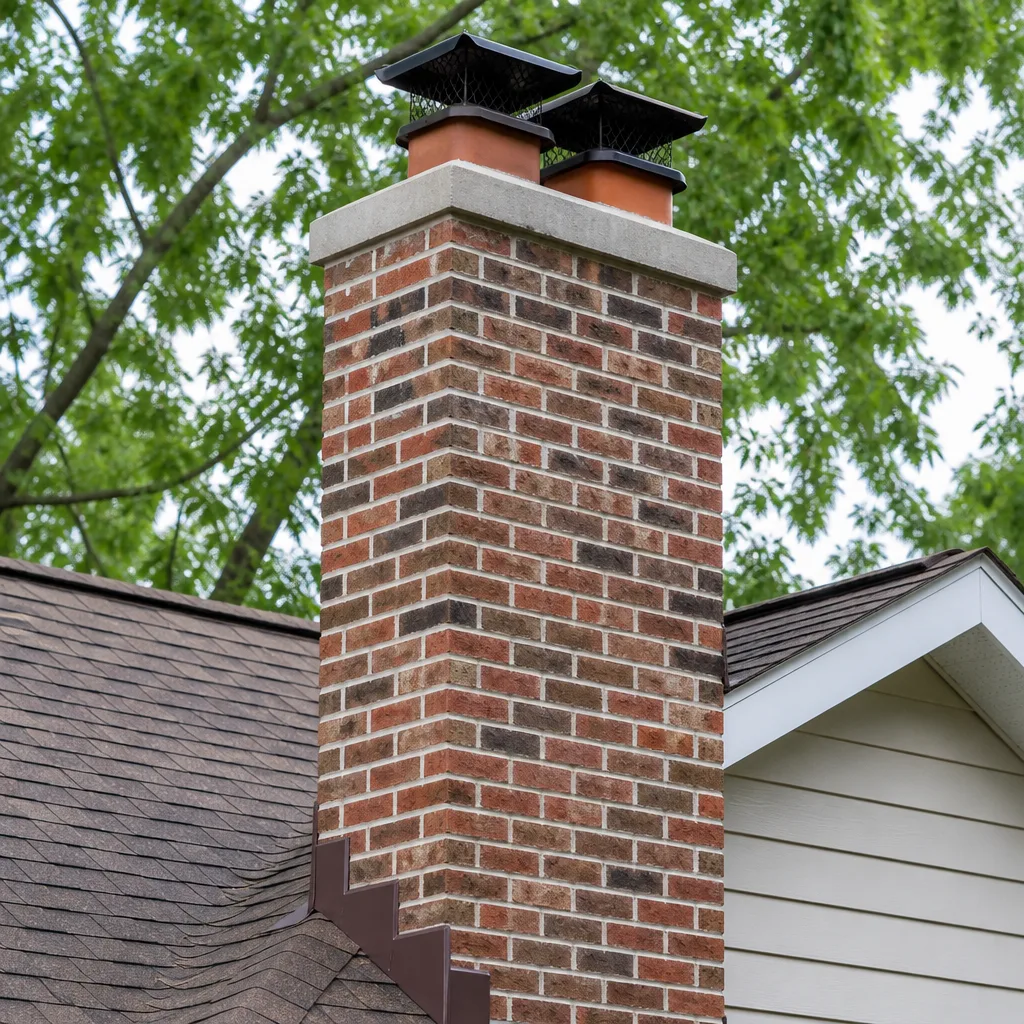 Masonry repair
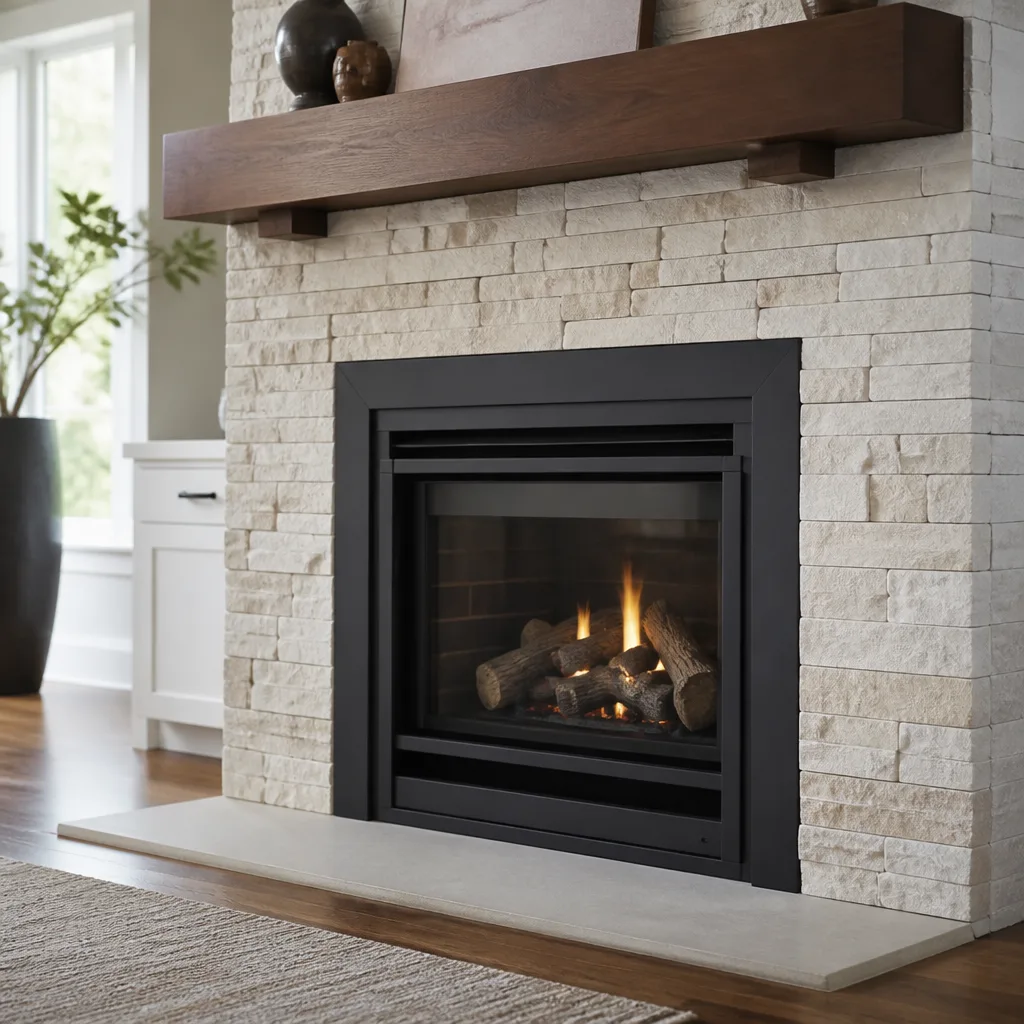 Gas fireplace service
Level 1 sweep and inspection to the NFPA 211 annual standard - flue, crown, cap, and flashing checked and photographed
Chimney sweep logs do not sweep chimneys. They loosen some creosote - which then falls where a brush and vacuum still have to collect it.
DIY vs Professional Chimney Cleaning: The Cicero Homeowner’s Decision Guide
Here’s a number that surprises most homeowners: you can buy the same rotary brush system a professional uses for under $150 online. The brush spins, the rods connect, and the creosote falls. So why do chimney sweeps still exist as a trade in Cicero? Because the brush doesn’t come with the ability to interpret what the camera shows inside your flue, and that’s the part that actually prevents chimney fires. This guide walks through what a careful DIYer can genuinely accomplish, what they can’t, and where the real risk hides in Cicero’s older housing stock.
Styles & brands we work with
Quick Answer
DIY chimney cleaning can remove light, first-stage creosote from an accessible flue with the right tools, but it cannot assess liner integrity, document the chimney’s condition for insurance purposes, or address glazed creosote, which requires chemical or mechanical treatment beyond consumer equipment. For most Cicero homeowners, the smart approach is to have a professional perform a video-inspected sweep every year or two, and to limit DIY efforts to between-visit maintenance like checking for visible buildup with a flashlight. For more on year-round care, see our Seasonal Chimney Cleaning Care for Cicero: Year-Round Homeowner’s Guide.
Table of Contents
- What a Careful DIYer Can Realistically Accomplish
- What DIY Cannot Do: The Diagnostic Gap
- The Tools a Legitimate DIY Sweep Requires (And What They Actually Cost)
- Cicero-Specific Factors: Housing Stock, Climate, and Code
- Insurance and Liability: What Happens After a Chimney Fire in Illinois
- The One Scenario Where DIY Actually Makes Sense
- What a Professional Adds Beyond Cleaning: The Written Record
- Common Mistakes to Avoid
- When to Call a Professional
- Frequently Asked Questions
- The Bottom Line
What a Careful DIYer Can Realistically Accomplish
Let’s be honest about what a motivated homeowner can do with a rotary brush kit, a drill, and a Saturday afternoon. First-stage creosote, the soft, dusty, dark-brown residue that forms during normal wood burning, responds reasonably well to mechanical brushing. If you have a straight or mildly offset flue, a rotary brush on flexible rods can knock loose light deposits and drop them into the firebox, where they can be vacuumed out. For a gas fireplace used occasionally, the task is even simpler: the main concern is dust, spider webs, and minor debris, not heavy creosote.
Homeowners can also handle what we call the “visible inspection” tasks, the things you check before and after burning season. Looking up the flue with a bright flashlight. Checking the damper for smooth operation. Scanning the chimney exterior in Cicero for spalling brick or a cracked crown after a hard freeze-thaw winter. These are useful habits, and we encourage every one of them. A homeowner who knows their chimney’s baseline condition catches changes earlier.
But here’s the line, and it’s sharper than most DIY articles admit: a homeowner brush removes what’s loose. It does not remove what’s stuck. Second-stage creosote, the shiny, flaky, tar-like residue that builds when fires burn cooler or wood isn’t fully seasoned, resists consumer-grade brushing. Third-stage creosote, the hard, glazed, glassy coating that forms after prolonged smoldering fires, will not come off with a rotary brush at any RPM. It requires chemical treatments, specialized scraping tools, or in some cases, removal by a trained technician who knows how much force the flue liner can tolerate before it cracks.
What DIY Cannot Do: The Diagnostic Gap
The physical act of cleaning a chimney is maybe 30 percent of what a professional sweep actually does. The other 70 percent is looking, measuring, and interpreting. A professional-grade inspection uses a video camera lowered or pushed through the flue, showing the full interior surface in real time. What the camera reveals, a homeowner’s eye from the roof or firebox simply cannot see: hairline cracks in clay tile liners, gaps between tile sections where mortar has failed, hidden creosote accumulation behind a damper plate or in an offset elbow, water intrusion staining that signals a failing crown or flashing.
This is where the “cleaning a damaged flue” danger comes in. A chimney with a cracked liner can look perfectly normal from the outside and even from the top opening. But heat and gases escape through those cracks into the chimney cavity, where they can reach combustible framing. Cleaning a flue with structural damage does not fix the damage. It can make it worse by further stressing a compromised liner, and it creates a false sense of security: the homeowner thinks the chimney is ready for burning season because it’s clean, when in fact the chimney was never safe to burn at all.
In our experience at Wexford Chimney Sweep home, we regularly find liner damage in Cicero chimneys that homeowners had no idea existed. The age of the housing stock is the main factor. Many homes in this area were built between the 1940s and 1970s, putting their original clay tile liners at 50 to 80 years old. Clay tiles crack. Mortar joints fail. That’s not a defect; it’s a timeline.
The Tools a Legitimate DIY Sweep Requires (And What They Actually Cost)
The honest math on a DIY chimney cleaning setup looks like this. A consumer rotary brush kit with flexible rods and a drill attachment runs $80 to $150. A shop vacuum capable of handling fine creosote dust without blowing it back into your living room costs another $100 to $200. A proper dust containment system, the plastic sheeting, the tape, the respirator mask rated for fine particulates, runs another $40 to $60. Ladder, roof safety harness if you’re working from the top, drop cloths, gloves, and a chimney rod whip for stubborn deposits push the total closer to $400 to $500 for the first cleaning. For a full breakdown of what professionals charge and why, see our Chimney Cleaning Cost Breakdown: The Cicero Homeowner’s Reference for 2026.
What that $500 does not buy is the item that matters most: a video inspection camera. A consumer-grade borescope attachment for a smartphone costs $30 to $60, but it has significant limitations in a flue environment. The lighting is inadequate for a dark, sooty interior. The focal length is wrong for a 6-to-12-inch diameter flue. The camera head overheats in a warm chimney. And most importantly, the homeowner looking at the footage lacks the frame of reference to know what normal looks like versus what a failing liner looks like. A professional inspection camera costs thousands of dollars, and the professional reading the screen has examined hundreds of flues before yours.
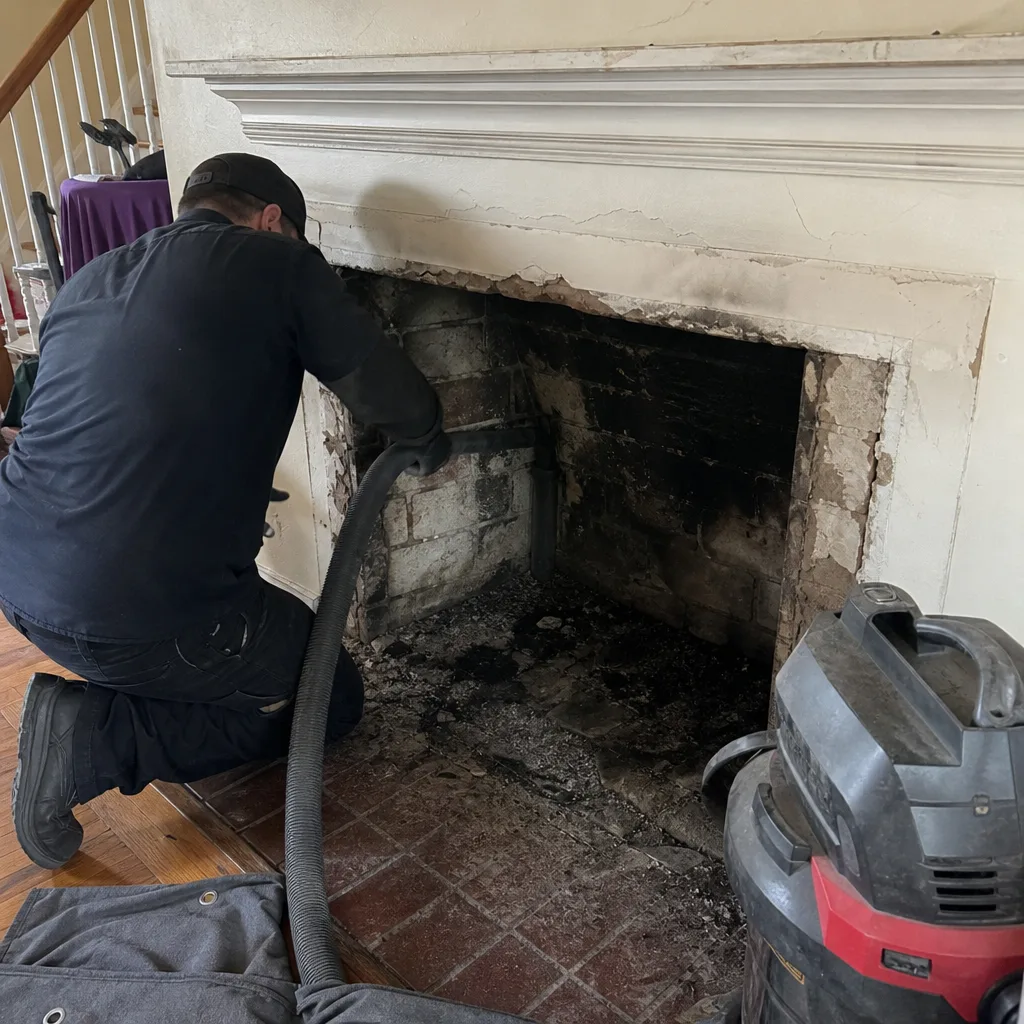
There’s also the matter of what happens to the creosote you remove. Fine creosote dust is a respiratory irritant and a known carcinogen with prolonged exposure. Professional sweeps use HEPA-filtered vacuums and containment systems that keep that dust out of the home’s air. A standard shop vac with a standard filter will exhaust much of that fine particulate back into the room. If you don’t have a plan for the dust, you’re trading one problem for another.
Here’s a step-by-step of what a legitimate DIY sweep actually involves, done properly:
- Prep the room: Lay drop cloths from the fireplace to the nearest exit. Seal the fireplace opening with plastic sheeting and tape, leaving a small access point for the brush rods. Remove or cover furniture within ten feet.
- Inspect from below first: With a bright flashlight, look up the flue from the firebox. Check the damper operation. Note any visible damage, cracks, or unusual staining. This is the limit of what you can diagnose without a camera.
- Access the roof safely: Use a properly rated ladder and a roof safety harness if the pitch warrants it. Cicero’s two-story bungalows and older Victorians often have steep roof pitches. If the roof is wet, icy, or you feel uncertain, do not go up. Falling from a roof is more dangerous than any creosote problem.
- Remove the chimney cap: Most caps are secured with screws or a friction fit. Set it aside carefully. Inspect the spark arrestor mesh for blockage.
- Run the rotary brush: Attach the brush to the flexible rods and the drill. Lower the brush into the flue, running the drill at low RPM. Work in short up-and-down strokes, adding rods as needed. Do not force the brush through an offset or elbow.
- Brush from the top and bottom: For best results, work from the roof down first, then from the firebox up for the lower portion. This means accessing both ends of the chimney.
- Clean the firebox and damper: Vacuum the fallen creosote and debris. The damper assembly is where buildup often hides. Use a narrow crevice tool to reach behind the damper plate.
- Reassemble and test: Replace the chimney cap. Open the damper. Light a small piece of newspaper in the firebox to check draft before building a full fire.
That’s the honest version. It’s a full day for most first-timers, and it requires roof access, which is the single most dangerous part of chimney maintenance. In Cicero, where roof pitches vary widely and ice damming is common in winter, roof access alone knocks DIY out of consideration for many homeowners.
Cicero-Specific Factors: Housing Stock, Climate, and Code
Cicero’s building stock shapes the DIY decision more than most homeowners realize. The town’s residential core is dominated by homes built between the 1920s and the 1960s: brick bungalows, two-flats, frame houses with masonry chimneys, and a significant stock of post-war ranches. Many of these homes still have their original clay tile liners. Those liners have been absorbing the freeze-thaw cycles of Chicagoland winters for decades. The temperature swings, the wet springs, the hard freezes, they all take a toll on masonry and liner materials that a homeowner’s brush cannot assess.
The town’s proximity to the Stevenson Expressway and the rail yards means soot and airborne particulates settle on everything, including chimney caps and spark arrestors. That’s a minor factor, but it’s real. A clogged spark arrestor from accumulated grime reduces draft and causes smoke to back up into the home, something a homeowner might misdiagnose as a dirty flue when the actual problem is at the cap.
Local building codes in Cicero generally follow Illinois state requirements for chimney construction and maintenance, but the relevant standard for homeowners is NFPA 211, the National Fire Protection Association standard for chimneys, fireplaces, and vents. NFPA 211 recommends annual inspection and cleaning “as needed” based on the inspection findings. An Illinois homeowner who maintains an annual professional inspection record has documentation of compliance with that standard. A homeowner who cleans their own chimney has no such record, which becomes important in the insurance section below.
One more Cicero reality: many of our local chimneys serve both a fireplace and a furnace flue, sharing a single masonry structure with separate liners. That means two flues to clean and two flues to inspect. The furnace flue is more likely to be overlooked in a DIY context, and furnace flue blockages are gas and carbon monoxide concerns, not just fire concerns. If your home has a shared chimney structure in Cicero, the stakes of a proper camera inspection go up accordingly.
Insurance and Liability: What Happens After a Chimney Fire in Illinois
Chimney fires happen. They happen in professionally cleaned chimneys and they happen in never-cleaned chimneys, but the aftermath looks different depending on the documentation. In Illinois, as in most states, a homeowner’s insurance policy covers fire damage, including chimney fires, subject to policy exclusions. The exclusion that matters here: most policies require the homeowner to have performed “reasonable maintenance” on the home’s systems. Chances are, your policy language says something about maintaining the home in a condition that prevents known hazards.
A stack of professional chimney sweep invoices, with the company name, date, and inspection notes, is evidence of reasonable maintenance. It shows the insurer you took the known hazard seriously and hired qualified help to address it. If a chimney fire occurs after years of professional cleaning and inspection records, the claim process is generally straightforward. The fire happened despite due diligence, which is exactly what insurance is for.
A homeowner-performed cleaning changes that equation. There is no third-party record of the cleaning. There is no evidence the cleaning was done correctly or that the flue was inspected at all. If the insurer or their adjuster determines that the homeowner’s cleaning was inadequate, performed incorrectly, or that a professional would have identified the hazard that caused the fire, the claim can be denied or reduced on the grounds of negligent maintenance. The burden of proof shifts. You’re now arguing about creosote accumulation rates with an insurance adjuster, and you don’t have a professional report to back you up.
There’s also the liability issue in rental properties, which are common in Cicero’s two-flat and three-flat stock. A landlord who cleans their own chimneys in a rental property is assuming a level of liability that a court will scrutinize harshly if a tenant is injured in a chimney fire. A professional sweep record for each unit is the standard of care a landlord should demonstrate. Without it, the landlord’s DIY effort looks less like diligence and more like cost-cutting on a safety system.
The One Scenario Where DIY Actually Makes Sense
We are not anti-DIY. We are anti-false-confidence. Here’s the scenario where a homeowner doing their own light maintenance is reasonable: you have a gas fireplace that is used infrequently, meaning fewer than a dozen burns per year, and you have an annual professional inspection and sweep already in your record from the past two or three years. In that case, between professional visits, you can do a visual check of the firebox, keep the damper area clear of dust and debris, and check the exterior chimney for obvious damage after winter. You can use a bright flashlight and a small hand brush to clear light dust accumulation in the firebox. You do not need to go on the roof. You do not need a rotary brush. You just need to be a good observer and call a professional if anything looks different.
What you should not do in that scenario is skip the professional visit entirely. The professional visit is what establishes the baseline: liner condition, draft performance, moisture intrusion, crown integrity. Without that baseline, your light maintenance is guesswork. With it, your between-visit observations have something to measure against.
For wood-burning fireplaces and stoves, used regularly during Cicero’s long heating season, the DIY case is much weaker. Wood burns dirtier than gas. Creosote accumulates faster and in forms that resist consumer tools. The inspection burden is higher because the chimney is working harder. If you burn wood more than a couple times a month from October through March, the professional sweep is not a luxury; it’s the cost of burning wood safely.
What a Professional Adds Beyond Cleaning: The Written Record
The visible work of a professional chimney sweep looks similar to what a careful DIYer does: brush, vacuum, inspect, repeat. But the invisible work is what you’re actually paying for. After every professional sweep or inspection, you should receive a written report. That report documents the condition of the liner, the damper, the crown, the cap, the flashing, the smoke chamber, and the firebox. It notes creosote type and quantity. It notes draft performance. It notes anything that needs watching or needs repair now.
That report is a legal document with real-world value. For insurance, it’s evidence of due diligence. For home resale, it’s a disclosure asset. When you sell a Cicero home, and the buyer’s inspector asks about the chimney, a five-year record of professional sweeps and inspections answers the question. It can also help you negotiate or resolve a repair request. A buyer who sees a HeatShield liner repair documented by a professional has a different level of confidence than one who hears the seller say, “I cleaned it myself, should be fine.”
The professional relationship also matters. When you have an ongoing relationship with a Chimney Sweep in Cicero, problems get caught on a schedule, not by surprise. We’ve seen small issues, a cracked tile beginning to shift, a crown with early spalling, that cost a few hundred dollars to address when caught early. The same problems ignored for three or four years turn into five-thousand-dollar reconstruction jobs. The written record is what creates that early detection. It’s not about the cleaning; it’s about the accumulated knowledge of your specific chimney, documented over time.
For dryer vents, the same logic applies on a smaller scale. A professional Dryer Vent Cleaning in Cicero includes checking the full exhaust run for lint buildup, crushed sections, and improper termination. Lint fires are statistically more common than chimney fires in the U.S., and the professional record serves the same insurance and resale function. Wexford handles both flue-exhaust and lint-exhaust hazards, which is an uncommon pairing in the sweep trade, and it means one company holds the full record for both of your home’s most common fire risks.
Common Mistakes to Avoid
- Skipping the roof inspection entirely. Many DIYers clean from the bottom up using a soot-sweeper system that pushes a brush up from the firebox. This cleans the flue but never inspects the crown, cap, flashing, or upper masonry, which is where water intrusion starts. In Cicero’s freeze-thaw climate, a cracked crown is a slow-motion structural problem that a bottom-up cleaning will never reveal.
- Assuming “clean” equals “safe.” A flue can be spotless and still be dangerous if the liner is cracked, the smoke chamber is parged improperly, or the clearance to combustibles is inadequate. Cleaning removes fuel, but it does not restore structural integrity. Only an inspection can assess safety.
- Using chemical creosote logs as a substitute for sweeping. Creosote-burning logs and powders can help dry out first-stage creosote and make it easier to brush off, but they do not remove it. They’re a maintenance supplement, not a cleaning method. Relying on them instead of mechanical cleaning is how chimneys accumulate dangerous second-stage creosote over years.
- Going on the roof without a harness or a spotter. The majority of chimney maintenance injuries we hear about are falls from roofs and ladders, not chimneys. If you’re not comfortable on the roof, do not go up there. Hire the roof access out. It’s not worth the risk.
- Vacuuming creosote dust with a standard shop vac. Fine creosote particles pass through standard filters and get blown into the living space, where they settle on surfaces and get inhaled. Professional sweeps use HEPA filtration for this exact reason. If you’re doing any bottom-up cleaning, use a vacuum with HEPA filtration and a dust bag rated for fine particulates.
- Ignoring the furnace flue in a shared chimney structure. Many Cicero homes have a masonry chimney serving both a fireplace and a furnace. The furnace flue accumulates soot and debris too, and a blockage there is a carbon monoxide hazard that can kill silently. If you’re cleaning one flue, the other one needs attention too.
- Treating a chimney sweep as a once-per-decade event. NFPA 211 calls for annual inspection. Burning seasons in Cicero are long and wood quality varies widely. A chimney that was clean in October can accumulate a concerning amount of creosote by February, especially with green or poorly seasoned wood. The annual cadence is a minimum, not a maximum.
When to Call a Professional
Call a professional when you see any of these signs: smoke pushing back into the room when the fire is lit, a strong odor from the fireplace even when it’s not in use, visible creosote buildup of more than 1/8 inch (about the thickness of two quarters) anywhere in the flue, water staining on the ceiling or walls near the chimney, spalling or crumbling brick on the chimney exterior, or any sound or smell of animals in the chimney. These are not cleaning issues; they are diagnostic red flags. A Chimney Repair in Cicero professional can assess whether what looks like a cleaning problem is actually a liner, crown, or structural problem. When we work on chimneys in Cicero, we stock professional-grade materials including HeatShield for liner repair, which allows restoration of compromised flues without a full reline when conditions allow. Wexford Chimney Sweep offers free estimates in Cicero. Call (866) 361-2607 if you see any of these signs, or if you simply haven’t had a documented inspection in the past year.
Frequently Asked Questions
Professional chimney sweeping in Cicero typically ranges from $150 to $350 depending on the type of chimney, the number of flues, the level of creosote accumulation, and whether a video inspection is included. A combined chimney and dryer vent service call often runs between $250 and $450. For an exact quote on your specific setup, call (866) 361-2607. Estimates are free, and the price is agreed before any work begins.
A chimney should be inspected annually and swept as needed based on what the inspection finds, according to NFPA 211 standards. For wood-burning fireplaces used regularly during Cicero’s October-to-March burning season, most chimneys need professional sweeping every 1 to 2 years. Gas fireplaces used occasionally can often go 2 to 3 years between sweepings, but still benefit from an annual visual inspection.
Yes, a homeowner can physically remove light first-stage creosote with a rotary brush kit, but the cleaning is incomplete without a video camera inspection of the liner. The brush addresses what’s visible; the camera addresses what’s structural. A clean flue with a cracked liner is still a fire and carbon monoxide hazard. If you clean your own chimney, schedule a professional video inspection at least every other year to document liner condition.
Creosote accumulates in layers, and the longer it sits, the harder and more dangerous it becomes. First-stage creosote (dusty, brown) progresses to second-stage (shiny, flaky, tar-like) and eventually third-stage (hard, glazed, glassy), which requires specialized removal methods and creates the highest chimney fire risk. In Cicero’s older chimneys, skipped cleanings also allow small liner cracks to progress unnoticed, since no one is looking at the flue interior.
Yes. A written professional inspection report serves as evidence of reasonable maintenance, which most Illinois homeowners insurance policies require as a condition of coverage for fire losses. If a chimney fire occurs and you have years of professional sweep documentation, the claim process is generally straightforward. If you have no professional documentation and the insurer determines the fire resulted from inadequate maintenance, the claim can be reduced or denied.
Gas fireplaces produce far less creosote than wood-burning ones, so the chimney fire risk is significantly lower. But gas appliances have their own hazard profile: vent blockage from debris, animal nests, or contractor debris can cause carbon monoxide to back up into the home. Gas flues also still need structural inspection, since liner cracks are a hazard regardless of fuel type. The lower cleaning frequency should not become a lower inspection frequency.
The Bottom Line
The DIY-versus-professional chimney question is really an information question. A homeowner can remove creosote. What a homeowner cannot do is assess whether the chimney is safe to use, and cleaning a damaged chimney without knowing it’s damaged is worse than not cleaning it at all. In Cicero, with its aging housing stock, hard winters, and long wood-burning season, the professional sweep with camera inspection is not an upsell. It’s the part of the service that prevents fires. Do your between-visit maintenance if you enjoy it. Check the firebox, watch the exterior brick, keep the area clean. Then call a professional for the annual inspection and documented sweep. That combination is what a responsible Cicero homeowner’s chimney care looks like. For more guides & resources, visit our blog. Call (866) 361-2607 for a free estimate, and we’ll help you establish the written record your chimney needs.
Written by the team at Wexford Chimney Sweep, serving Cicero since 2013.
See the difference
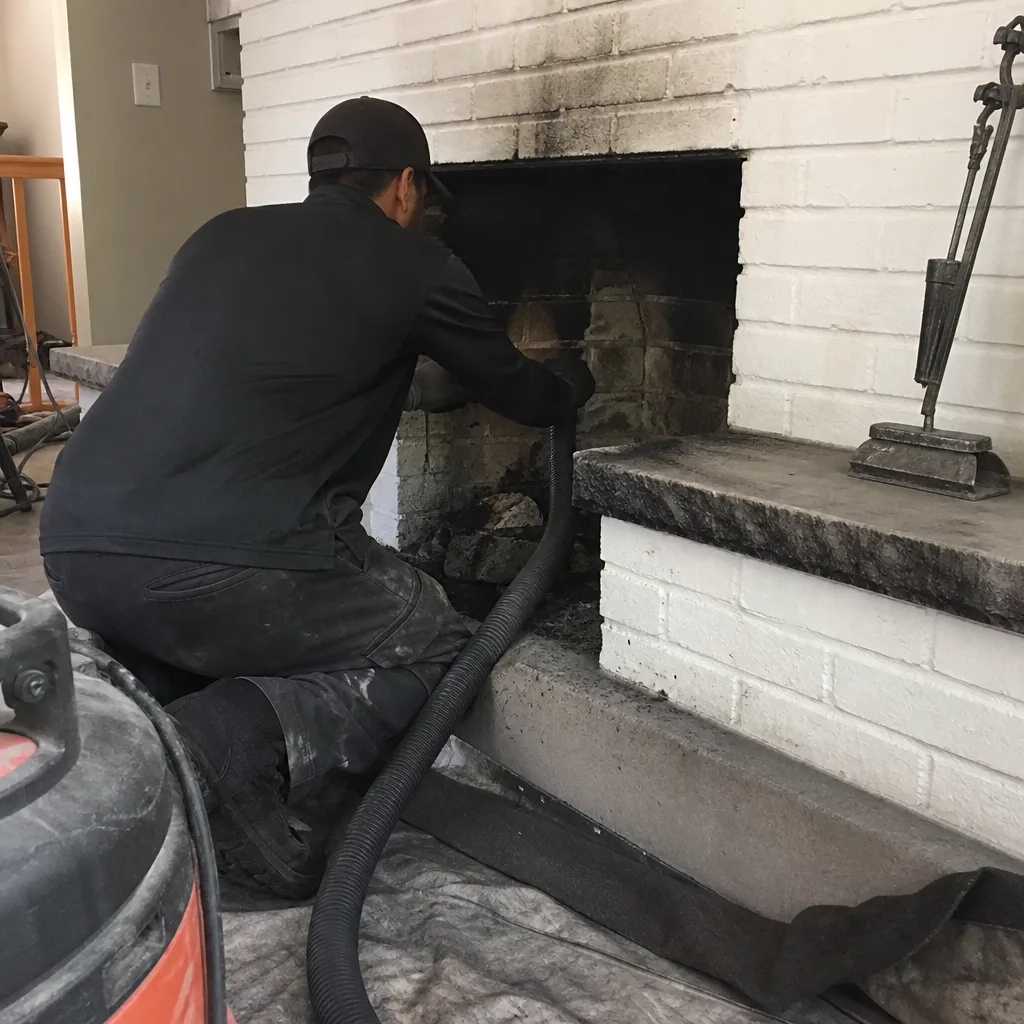 Before
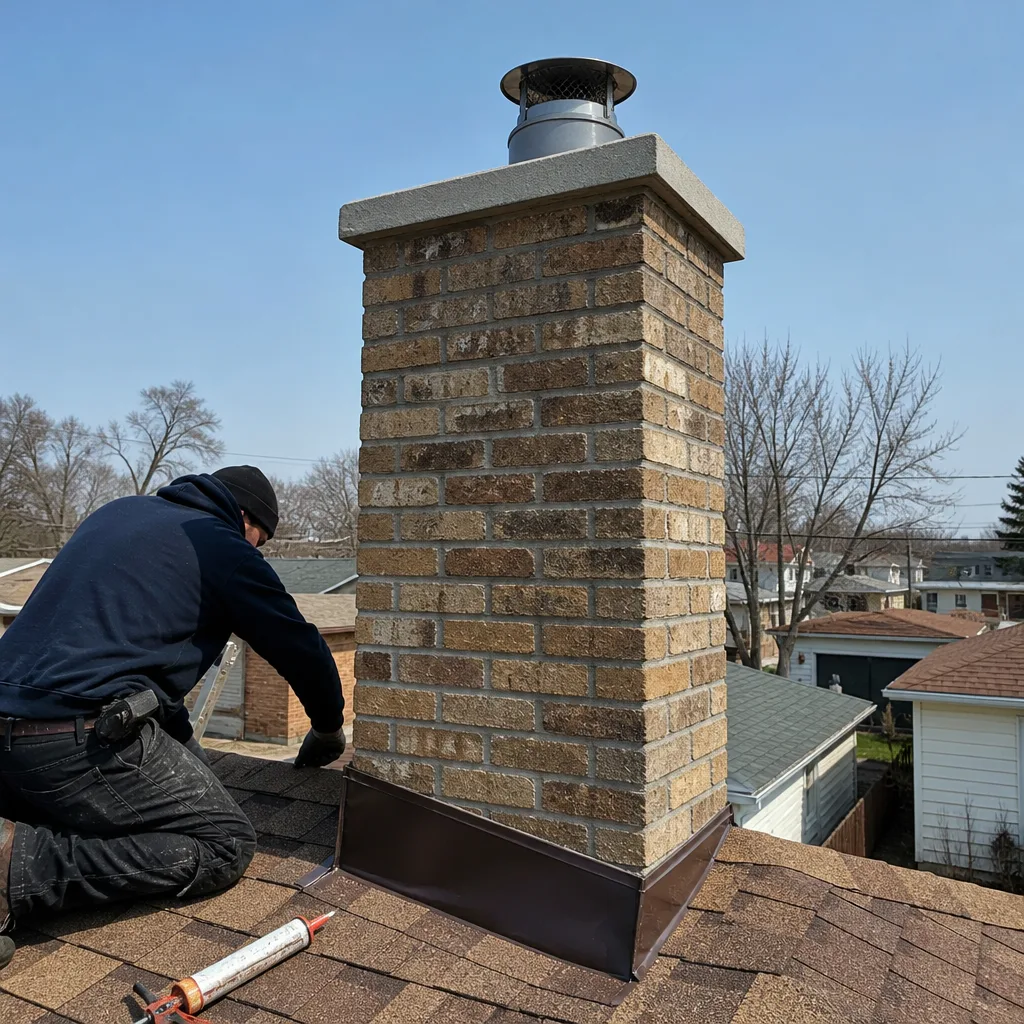 After
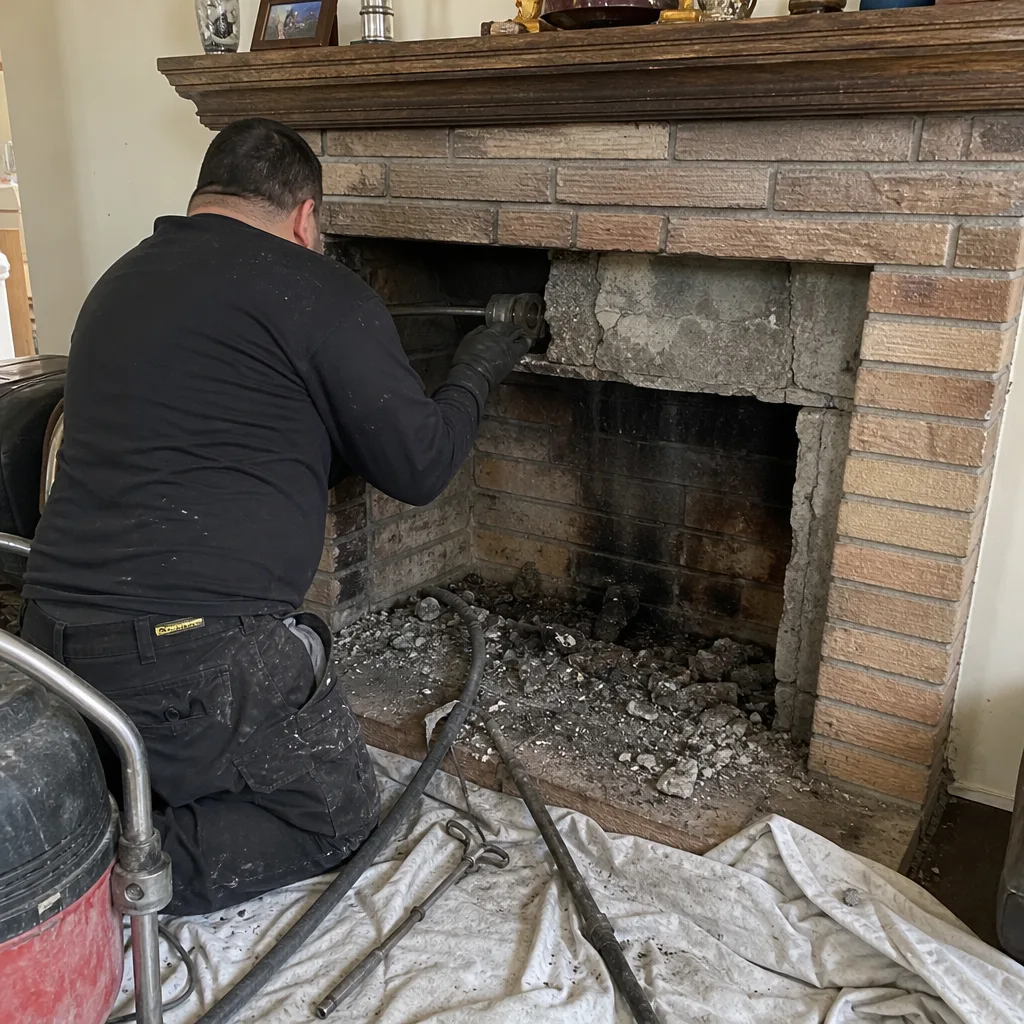 Before
 After
 Before
 After