
Last updated October 30, 2026
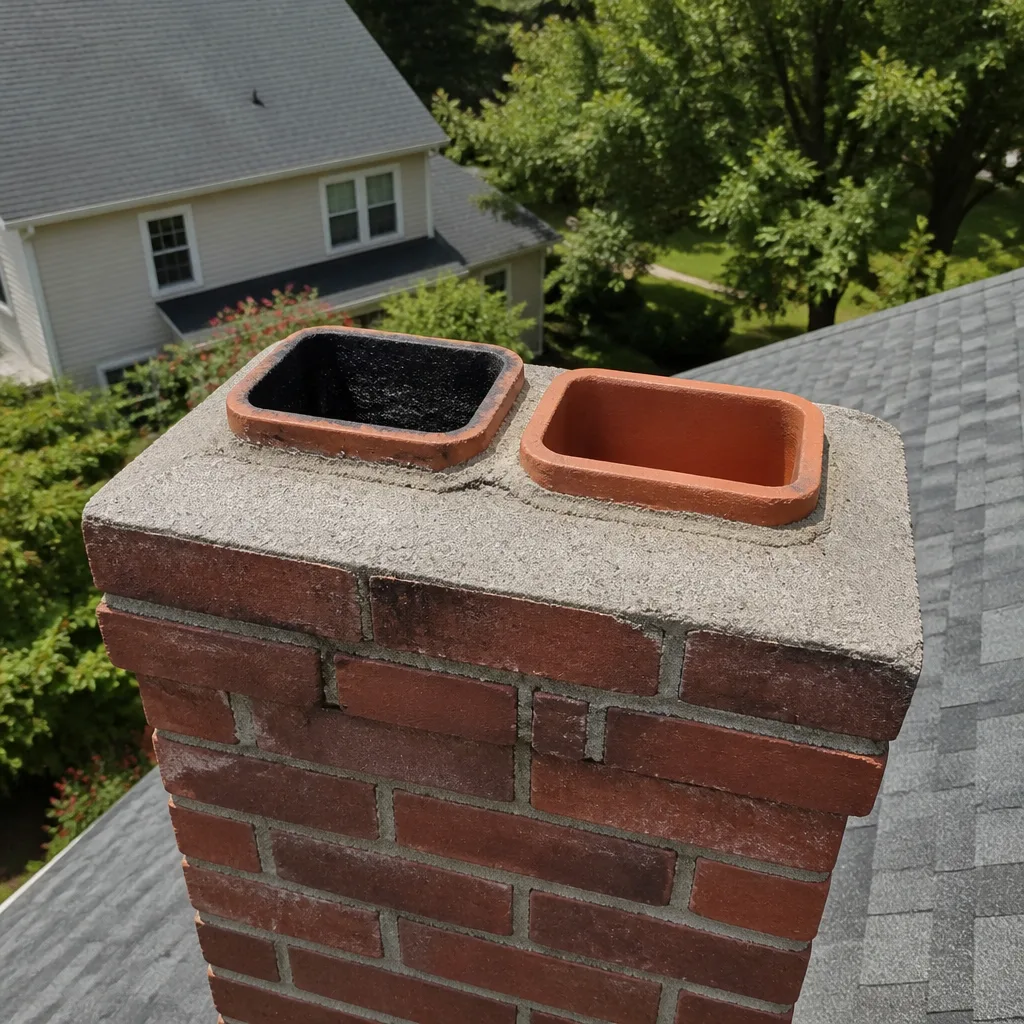 Sweep & inspection
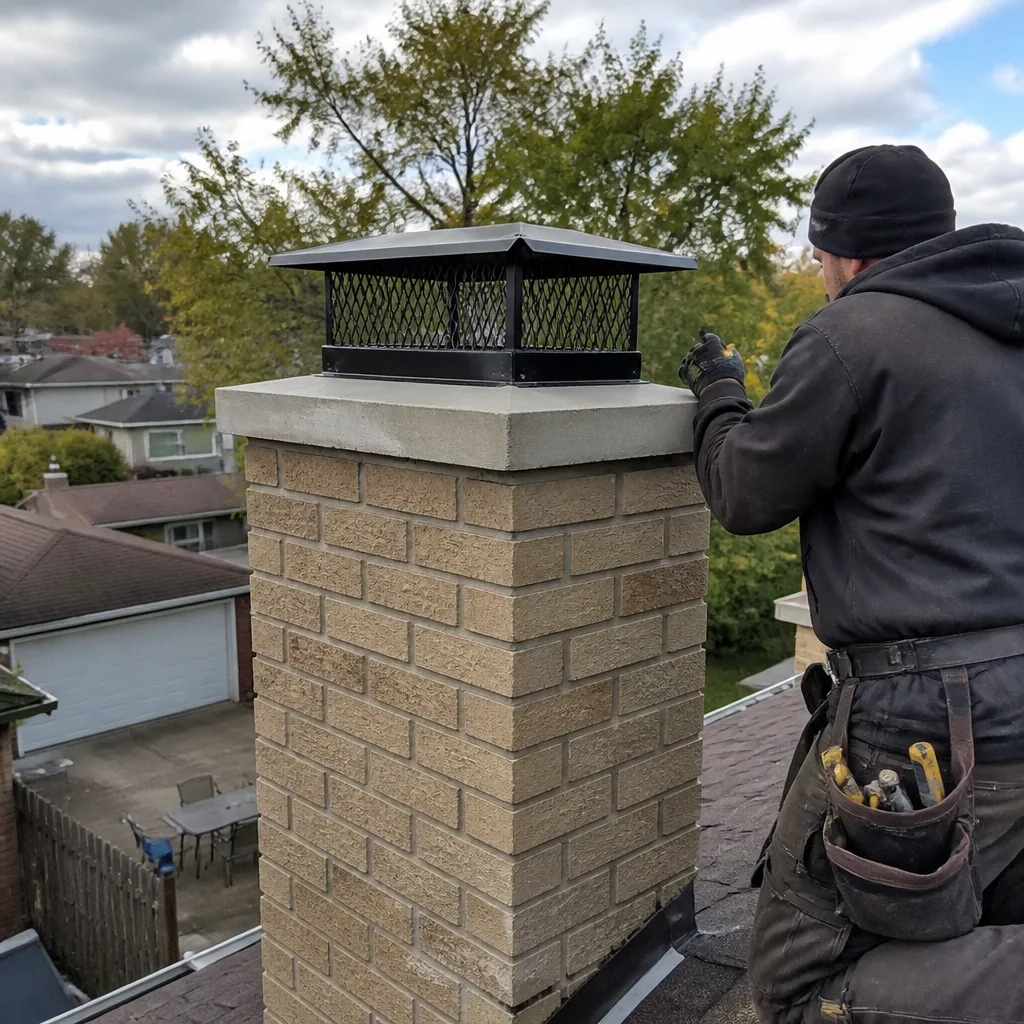
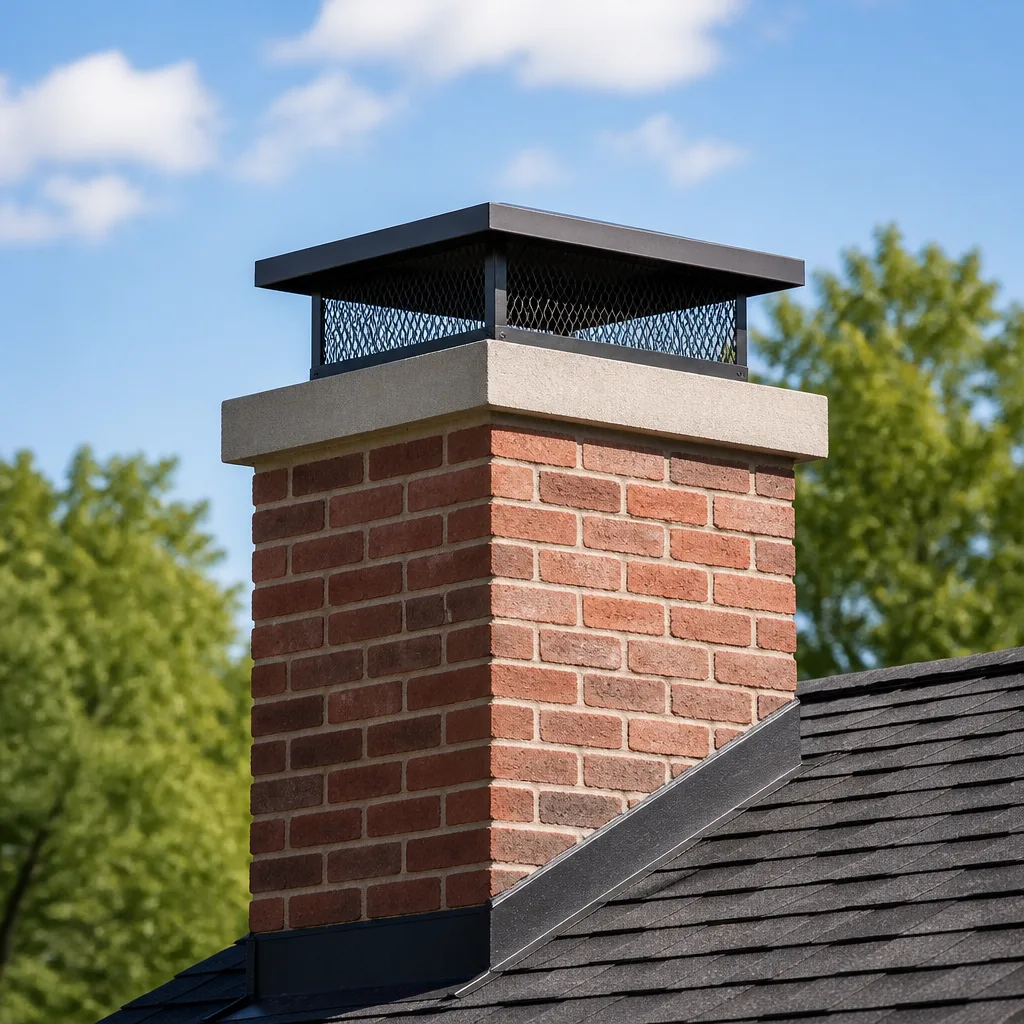 Caps & crowns
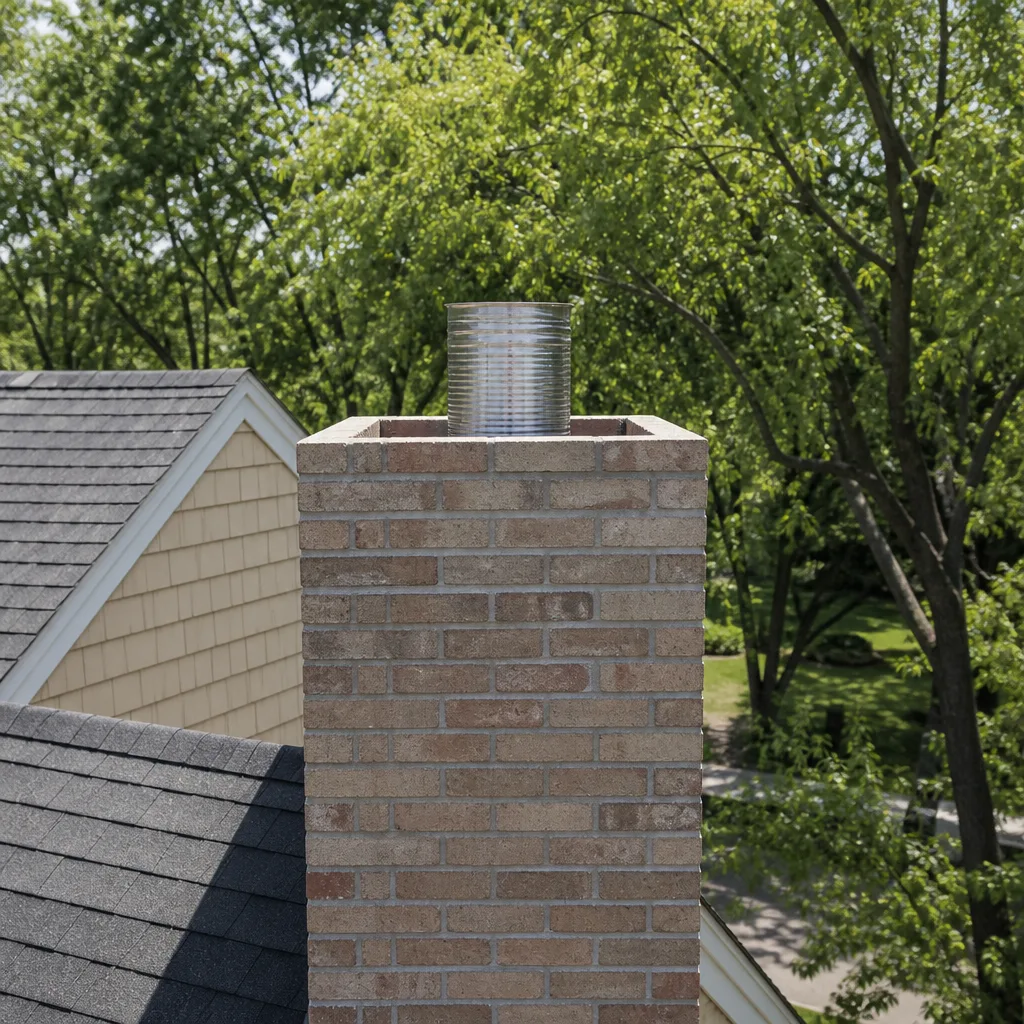 Flue relining
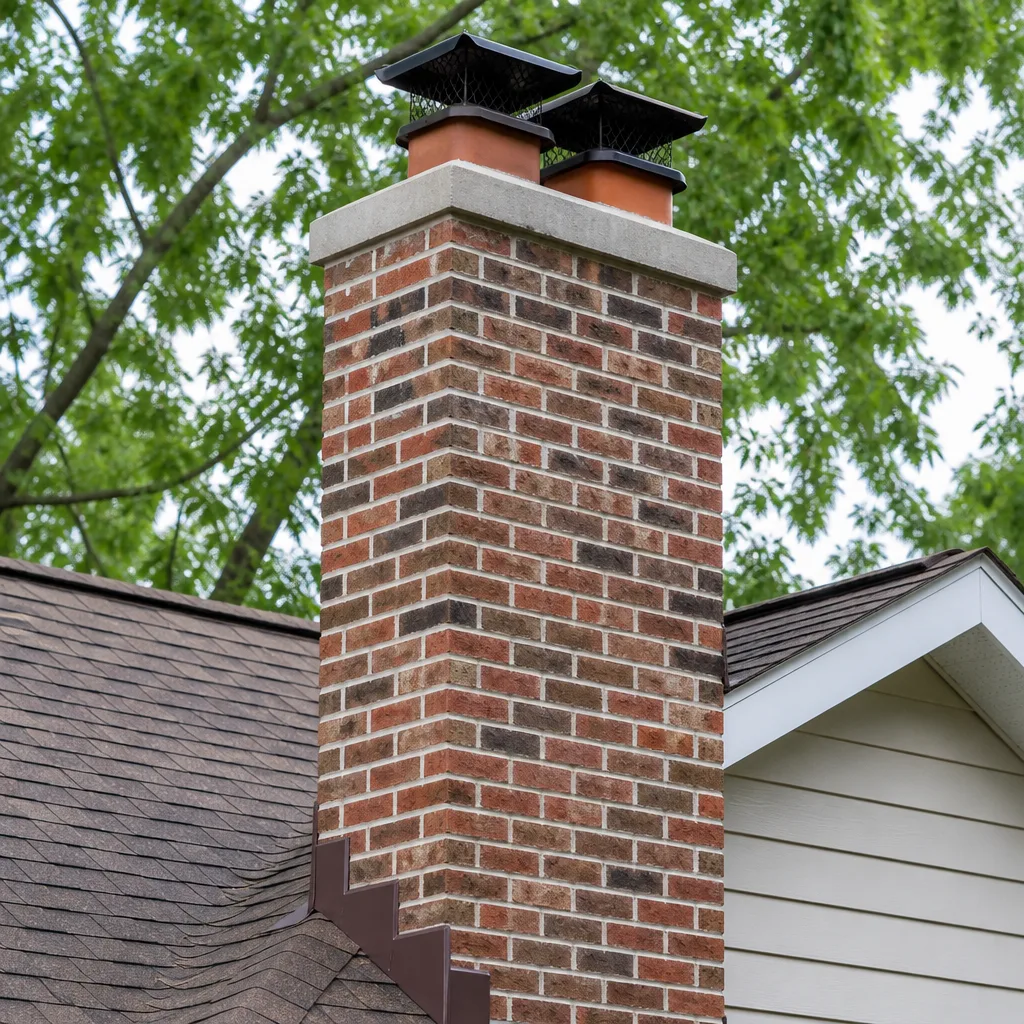 Masonry repair
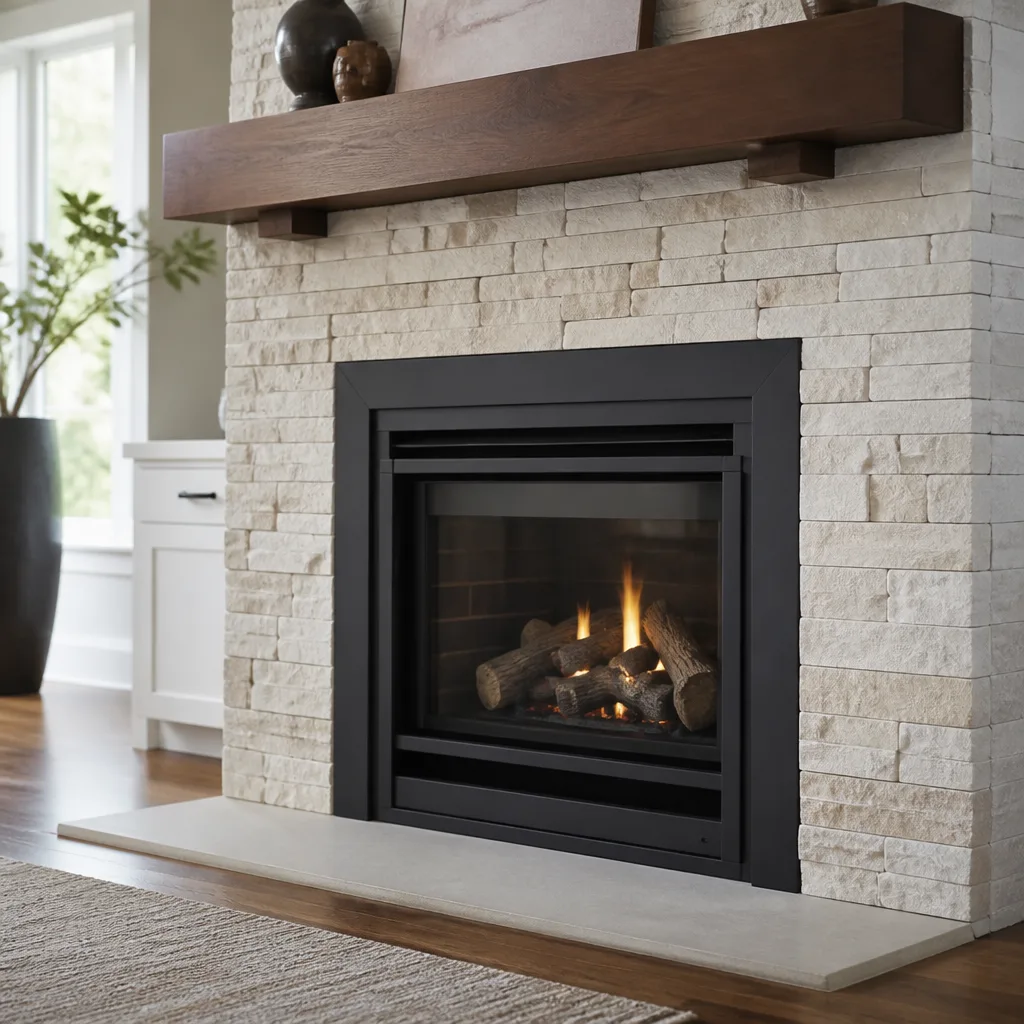 Gas fireplace service
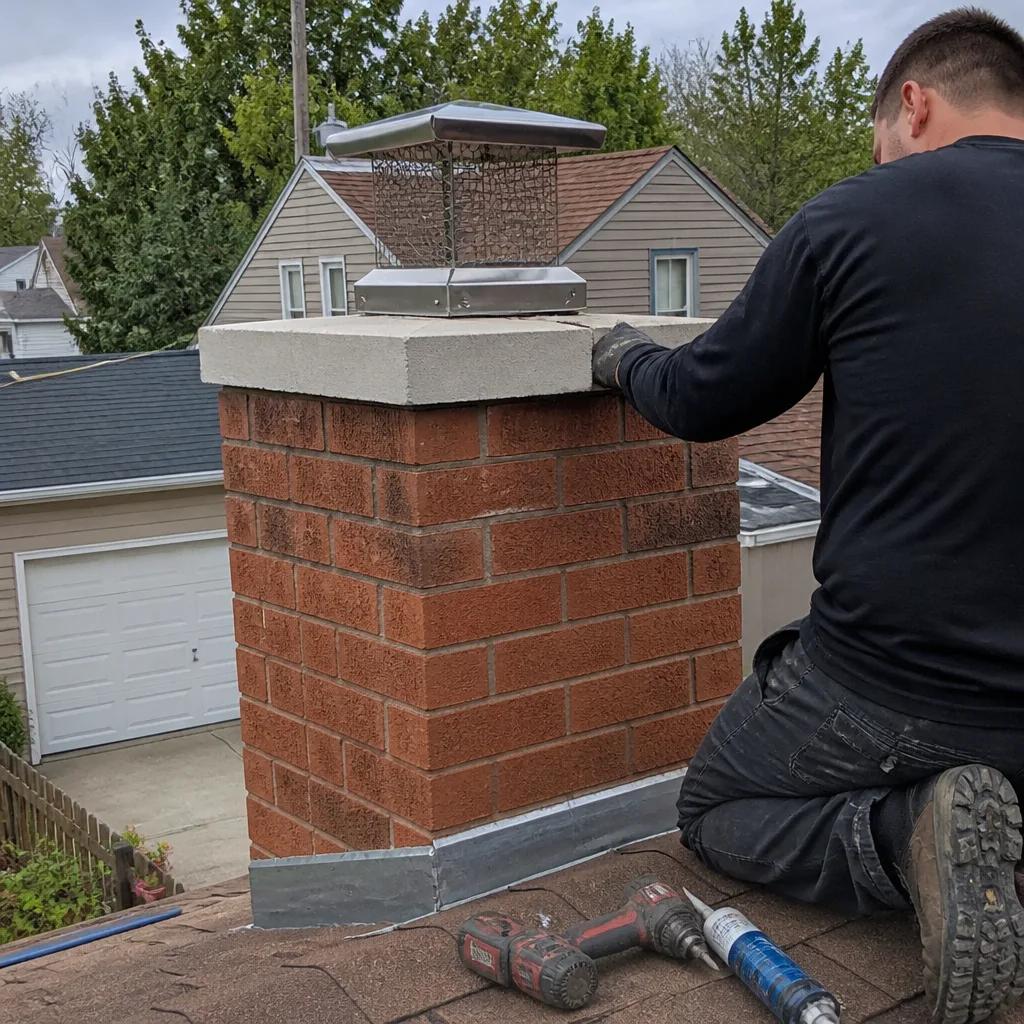
Level 1 sweep and inspection to the NFPA 211 annual standard - flue, crown, cap, and flashing checked and photographed
Chimney sweep logs do not sweep chimneys. They loosen some creosote - which then falls where a brush and vacuum still have to collect it.
The Complete Chimney Sweep Guide for Cicero Homeowners
Most homes in Cicero were built long before modern chimney liner standards existed. Walk down any residential street here – the brick bungalows near Morton College, the two-flats off Cermak Road, the frame houses mixed in west of Austin Boulevard – and you’re looking at chimneys originally designed for coal furnaces, not the gas inserts, wood stoves, and pellet appliances inside them now. That mismatch is the single biggest reason chimney maintenance in Cicero isn’t optional. This guide maps the Chimney Sweep process to the actual conditions you’ll find in our housing stock, from aging clay tile liners to the freeze-thaw cycles that punish our mortar joints every winter.
Styles & brands we work with
Quick Answer
A chimney sweep in Cicero removes creosote, soot, and blockages from your flue to prevent chimney fires and carbon monoxide backup. For most wood-burning fireplaces, that means a sweep every 40 to 50 fires or once per year, whichever comes first. Homes built before 1940 – which describes a huge share of Cicero – should have at least a Level 2 camera inspection at the first sweep, because the original clay tile liners were never designed for modern appliance exhaust.
Table of Contents
- Why Cicero Chimneys Fail Differently
- What a Chimney Sweep Actually Covers
- Level 1 vs. Level 2 Inspections: What Cicero Homeowners Actually Need
- Shared Flues in Cicero Two-Flats: A Different Protocol
- Seasonal Timing: Why Fall Sweeps Book Out Early in Chicagoland
- “Swept and Cleared” vs. a Full-Service Diagnostic Visit
- Common Mistakes to Avoid
- When to Call a Professional
- Frequently Asked Questions
- The Bottom Line
Why Cicero Chimneys Fail Differently
We’ve swept thousands of chimneys across the western suburbs, and Cicero’s housing stock creates predictable failure patterns you won’t see in newer construction. The pre-war bungalows and two-flats that dominate the town were built between roughly 1915 and 1955. Their chimneys share certain characteristics: corbeled brick crowns, square clay tile liners, and mortar mixed without Portland cement in some cases. Portland cement became standard in chimney mortar around the 1920s, so early bungalows may have lime-only mortar, which erodes faster under freeze-thaw cycles.
Here’s what that means in practice. Cicero sits in a climate that averages dozens of freeze-thaw events each winter. Water gets into hairline cracks, freezes, expands, and pries those cracks wider. Over 80 or 90 years, that cycle destroys mortar joints along the exposed portion of the chimney, above the roofline where wind and weather slam it hardest. The creosote the same way. Aging clay tile liners in Cicero chimneys often have spalled, cracked, or shifted slightly over decades. Creosote, which is the condensed byproduct of wood smoke, builds faster in flues that run cooler and draft unevenly – conditions these old chimneys produce.
The takeaway for a Cicero homeowner is simple: your chimney is not a maintenance-free masonry structure, and the older it is, the more attention it needs. A chimney that worked fine for a coal furnace in 1930 is often oversized and under-insulated for a gas insert in 2025, and that mismatch raises the risk profile of every fire you burn.
What a Chimney Sweep Actually Covers
A professional chimney sweep is mechanical cleaning of the flue, but it should never stop there. The process removes three things that accumulate inside a chimney: creosote from wood burning, soot from gas or oil, and physical blockages like bird nests, raccoon debris, fallen tile pieces, or leaves. In Cicero, where mature trees canopy many backyards, we remove animal and leaf debris from flues regularly.
The process at a full-service provider breaks down into predictable steps.
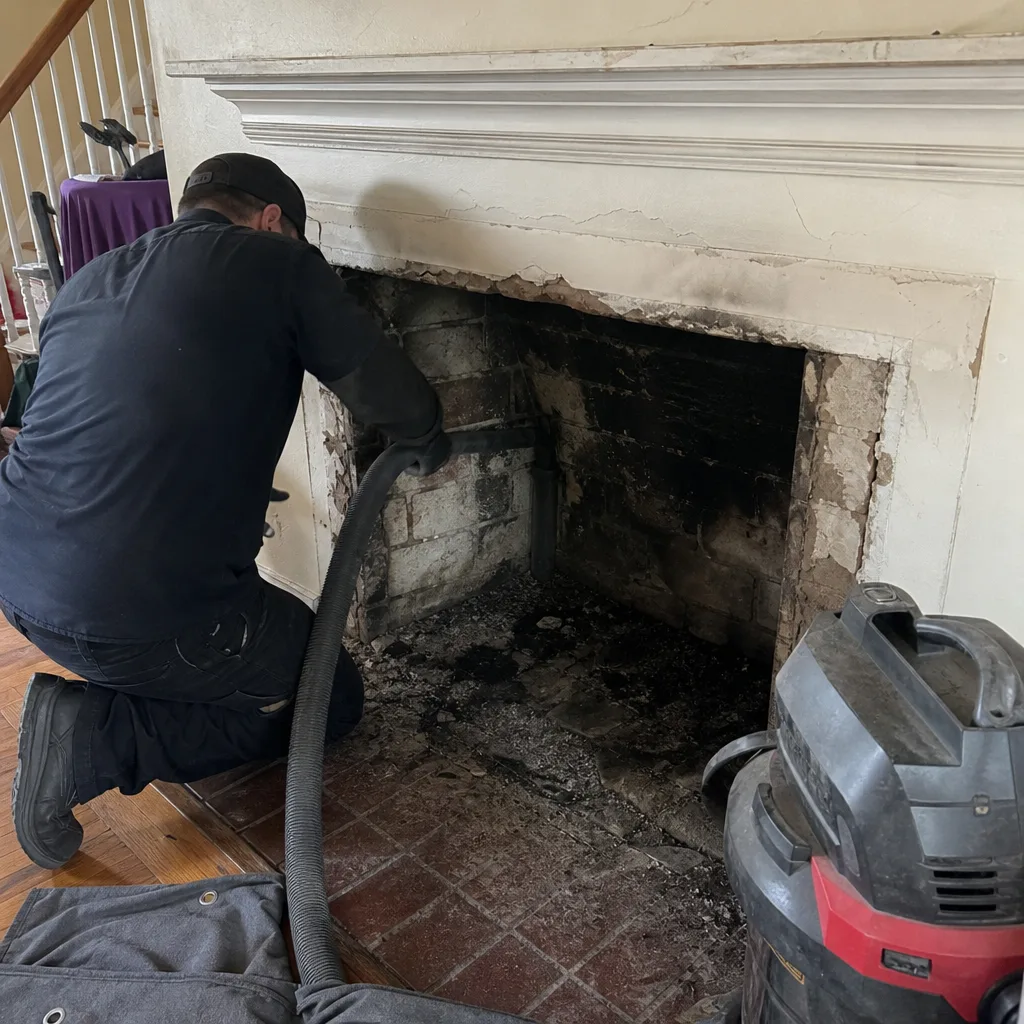
- Site preparation – Drop cloths are laid at the fireplace or appliance, and the technician sets up a HEPA-filtered vacuum to contain fine soot. The room should stay clean if the rig is set up correctly.
- Mechanical flue brushing – A wire or poly brush sized to the flue dimensions is run through the full length of the flue, usually from the bottom up using rotary rod systems, or from the top down when roof access is safe and available.
- Smoke chamber and damper cleaning – These areas trap creosote and soot even when the main flue is swept. They require hand work with specialized scrapers and brushes.
- Firebox and hearth cleanup – Ash and debris inside the firebox are vacuumed and removed.
- Visual inspection – Looking for obvious failures: cracked flue tiles, deteriorated mortar joints, a rusted damper, or a damaged chase cover.
After the sweep, most professional chimney companies also complete a basic safety inspection of the visible system. This is where problems get found, not just cleaned around. In older Cicero homes, it’s rare to inspect a 70-year-old chimney and find nothing to note, even if only as a watch item for the next season.
It’s worth stating plainly: a sweep is not a repair. If a flue has a cracked tile or a deteriorating mortar joint, the brush will not fix it. What we do is identify those findings and give the homeowner clear, evidence-backed options – usually with camera documentation from a Chimney Sweep in Cicero inspection – and fix what we can with the gear already on the truck.
Level 1 vs. Level 2 Inspections: What Cicero Homeowners Actually Need
The chimney industry defines three inspection levels, but for most homeowners, the question comes down to two: Level 1 or Level 2. Understanding the difference saves money and catches problems at the right time.
A Level 1 inspection is the standard visual check included with a routine sweep. The technician looks at the readily accessible parts of the chimney, both inside and outside, with a flashlight and basic hand tools. It confirms the flue is free of obstruction and the structure is performing its basic function. A Level 1 is appropriate when the chimney is being used the same way it has been for years, with no known problems.
A Level 2 inspection includes everything in Level 1, plus a video camera scan of the flue interior. The camera goes from top to bottom, documenting every square inch of the liner, the mortar joints between tiles, and any hidden offsets or transitions. A Level 2 is required under specific circumstances: when a home is sold, when the appliance or fuel type changes, after a chimney fire, after a structural event like an earthquake or lightning strike, or when a Level 1 finds something that warrants a closer look.
In Cicero, our strong recommendation is that any home built before 1960 gets a Level 2 camera scan at its first professional sweep, as detailed in The Complete Guide to Chimney Cleaning in Cicero. Here’s the logic: these chimneys predate modern liner codes. The original clay tile liners were not designed for gas appliance exhaust, which runs cooler and produces acidic condensation that attacks masonry. The camera shows exactly what’s happening inside without any guesswork. A chimney might look fine from the roof and still have a hidden shifted tile or a mortar gap that’s leaking flue gas into wall cavities. For a few hundred dollars, the scan answers the question. For a homeowner, that’s an easy decision.
Shared Flues in Cicero Two-Flats: A Different Protocol
Cicero has one of the highest concentrations of two-flats in Cook County. These buildings, typically brick and built between 1920 and 1950, often have a single chimney structure with multiple flues – one for each unit’s furnace or boiler, and sometimes one for a shared fireplace or wood appliance. That changes the sweep protocol in important ways.
The first issue is access. A sweeper working in a two-flat may need entry into both units to access every connected flue and appliance. If the chimney is central to the building, roof access alone won’t cover it. If the building has a working fireplace in one unit and a vented gas furnace in the other, both flues need attention.
Second, shared chimney structures hide problems longer. A cracked flue serving Unit 2 can leak flue gas into the wall cavity between units, and no one notices until there’s an odor complaint or a carbon monoxide alarm trip. Building owners should sweep every flue in the chimney at the same time, not just the one attached to a fireplace. A technician who only sweeps one side of a two-flat chimney is leaving the other side uninspected, and the two flues often share masonry, which means they share the structural problems too.
Third, two-flats have specific clearing requirements. If a flue serves a gas appliance, it must be verified clear and drafting correctly after any cleaning. We check for proper appliance venting, confirm termination caps are in place and not clogged, and document everything for both the owner and any tenants who need reassurance. In our experience, Cierso two-flat owners respond well when the sweep includes a clear, photo-documented summary for each unit – especially when one tenant has raised concerns about a smell or a detector going off.
For a full breakdown of what this looks like in our service area, see our page on Chimney Repair in Cicero. The repair and the sweep are often part of the same visit in older multi-unit stock.
Seasonal Timing: Why Fall Sweeps Book Out Early in Chicagoland
Chimney work is seasonal everywhere, but the timing pressure here in the Chicago area is harsher than in warmer markets. In Cicero, the first hard freeze typically arrives in late October or early November. After that, roof work gets riskier, mortar repairs freeze and fail, and crews are working through snow and wind on steep bungalow roofs.
This creates a predictable booking bottleneck. Every fall, late September through early November, the entire industry runs at capacity. Homeowners who call in November for a fireplace sweep are often waiting two or three weeks, sometimes a month, for an open slot – and that’s if the weather cooperates. If they call after the first freeze, they may face a wait that pushes their first fire into December.
The practical advice is to book a pre-season sweep in August or September. Sweeping then means the flue is clear before the pressure starts, any repairs found can be scheduled while the weather is still workable, and the chimney is ready the day the temperature drops. Sweep it in fall, and the work is done at the busiest, most expensive, most weather-vulnerable point on the calendar. One more timing note specific to our region: the freeze-thaw cycle starts earlier than most people think. The first freeze doesn’t mean snow; it means overnight temperatures below 32 degrees after daytime rain. That’s the cycle that does masonry damage, and it can start in October.
“Swept and Cleared” vs. a Full-Service Diagnostic Visit
There are two fundamentally different types of chimney visits, and knowing which one you need matters. They’re priced differently, they find different things, and they suit different situations.
“Swept and cleared” is the basic service: the flue gets brushed, debris gets removed, and the appliance is confirmed operational with an unobstructed exhaust path. It’s a maintenance task. It’s appropriate for a chimney that’s been swept recently, has no known issues, and isn’t changing use. Think of it like an oil change. It keeps a functioning system functioning.
A full-service diagnostic visit is what we do by default. It includes the sweep, but adds a full visual inspection, camera scan availability, and a written report with photos. The technician is looking for everything: cracked tiles, deteriorated mortar, improper flue sizing, rusted dampers, missing caps, inadequate clearance to combustibles. The point is to answer a question: is this chimney safe to use, and will it stay safe for the next five years?
In an older Cicero house, the diagnostic visit is nearly always the right call. The home’s chimney wasn’t built for the appliance connected to it now. The liner is decades old. The roof flashing has been through years of Chicagoland weather. No one has documented any of that. A swept-and-cleared call will get the fireplace working; a diagnostic call will tell you whether it should be working. We have seen too many homeowners pay for a cheap sweep, then discover a cracked flue three months later when a water stain appears on the bedroom ceiling.
Common Mistakes to Avoid
- Skipping the sweep because “we barely use it.” Even ten fires a season produce creosote. And an unused chimney can host animal nests, leaf blockages, and hidden water damage. The risk isn’t just fire – it’s carbon monoxide backup from a blocked flue, and that’s a year-round concern in tightly sealed Cicero homes.
- Calling a handyman instead of a chimney specialist. Chimney work involves specific code requirements, product knowledge, and safety protocols. A general handyman can’t evaluate flue clearances or identify spalled clay tile, and their liability typically doesn’t cover fire losses.
- Ignoring the dryer vent because “it’s not a chimney.” Dryer lint is one of the most reliable house-fire starters in residential America. We offer Dryer Vent Cleaning in Cicero for exactly this reason: both your fireplaces and your dryer use exhaust pathways, and both deserve professional attention. Few chimney companies handle both.
- Waiting for the smell or the alarm before acting. If you smell smoke in the house when the fireplace is running, or the CO detector trips with no explanation, the problem has already been present for a while. Both are late-stage warnings.
- Repointing over structural problems. Cracked, crumbling mortar joints might be a repointing job. Or they might be a symptom of a shifted flue that needs liner work. Covering the outside without checking the inside is the most expensive mistake a homeowner can make.
- Assuming the previous homeowner maintained the chimney. They probably didn’t. Many Cicero homes change hands with decades of deferred chimney maintenance, and the sellers’ disclosure usually says nothing useful. A Level 2 inspection on day one is the only way to know.
When to Call a Professional
Call a professional chimney sweep if you’ve burned 40 or more fires since the last cleaning, if you don’t know when the chimney was last inspected, if you’ve bought a new home in Cicero, or if you notice any of these specific signs: a smoky smell in the house during or after fires, black staining on the walls around the fireplace, visible flue tile pieces in the firebox, a strong odor from the fireplace during humid summer weeks, or a gas appliance that burns with a lazy yellow flame instead of a crisp blue one. Any of these warrants a call before the next fire.
Wexford Chimney Sweep offers free estimates in Cicero – call (866) 361-2607. In most cases, we can be on site within a few days outside the fall rush.
Frequently Asked Questions
A standard chimney sweep in Cicero typically runs $159 to $300 for a single-flue, wood-burning fireplace, with prices varying based on flue height, accessibility, and the amount of creosote accumulated. A Level 2 camera inspection adds $150 to $350 depending on flue length and condition. Gas fireplace or gas furnace flue cleaning is usually on the lower end of the range. These are market ranges for our area; an exact quote depends on what we find at the visit. Call (866) 361-2607 for a free estimate, and we’ll give you a firm price before any work begins.
For a wood-burning fireplace in Cicero, sweep the flue after every 40 to 50 fires, which for most households means once per year. Gas fireplaces need less frequent cleaning, typically every two to three years, but should still get an annual visual check. If you burn green or unseasoned wood, sweep more often; if you burn only seasoned hardwoods from local suppliers, the once-a-year cadence holds.
Not always. Cracked clay tile liners used to mean a full reline, but modern restoration methods often allow a less invasive repair. We stock HeatShield, a ceramizing material applied directly inside the existing flue, which restores structural integrity and fire resistance without the demolition and cost of a full liner replacement. In qualifying cases, we can restore a damaged flue in one visit with the same material used by specialized chimney contractors nationwide. The only way to know if HeatShield is right for your chimney is a camera inspection to see the extent of the damage. Call us at (866) 361-2607 and we’ll document exactly what the camera shows.
Creosote accumulates faster than most people realize, especially in the drafty, oversized flues common in old Cicero homes. Within one heating season in an unlined or deteriorating chimney, creosote can build to a thickness that will support a chimney fire. Within two or three seasons of skipped maintenance, the damage is often structural: cracked tiles, broken mortar, or a failed damper. The repair bill compounds fast. A $250 sweep deferred for three years can become a $1,800 liner repair. The math is the point.
Yes, but for different reasons than wood. Gas fireplaces don’t produce creosote, but they do produce acidic exhaust condensate that attacks clay tile and mortar over time, and their venting can clog with dust, spider webs, or animal debris. A gas fireplace flue should be inspected every two to three years at a minimum, and its vent free of blockage must be verified annually if the appliance is used regularly.
Our team works exclusively with professional-grade product lines – including DuraFlex liner systems, HeatShield restoration material, and Famco and Copperfield caps and covers. These are the same brands used by credentialed chimney contractors and restoration specialists across the country, not the generic replacements you’d find at a hardware store. When repairs are needed, the materials matter as much as the hands installing them. That’s the standard we work to on every Cicero job.
The Bottom Line
Cicero’s housing stock was built for a different era, and its chimneys need a level of attention that generic sweep guides rarely address. The older the flue, the more carefully it should be swept, inspected, and documented. Wood-burning fireplaces need a yearly sweep; gas appliances need vent verification; two-flats need every shared flue covered; and any pre-1960 home deserves a camera scan to see what’s behind the tile. Deferred maintenance compounds fast in this climate. A professional sweep with inspection evidence is the cheapest insurance you can buy against a chimney fire or a carbon monoxide emergency. If you own a home in Cicero and want the complete picture, Wexford Chimney Sweep home services the entire town with full-service sweeps, camera inspections, and professional-grade repairs. Call (866) 361-2607 to schedule a free estimate.
Written by the team at Wexford Chimney Sweep, serving Cicero since 2013. For more guides & resources, visit our blog.
See the difference
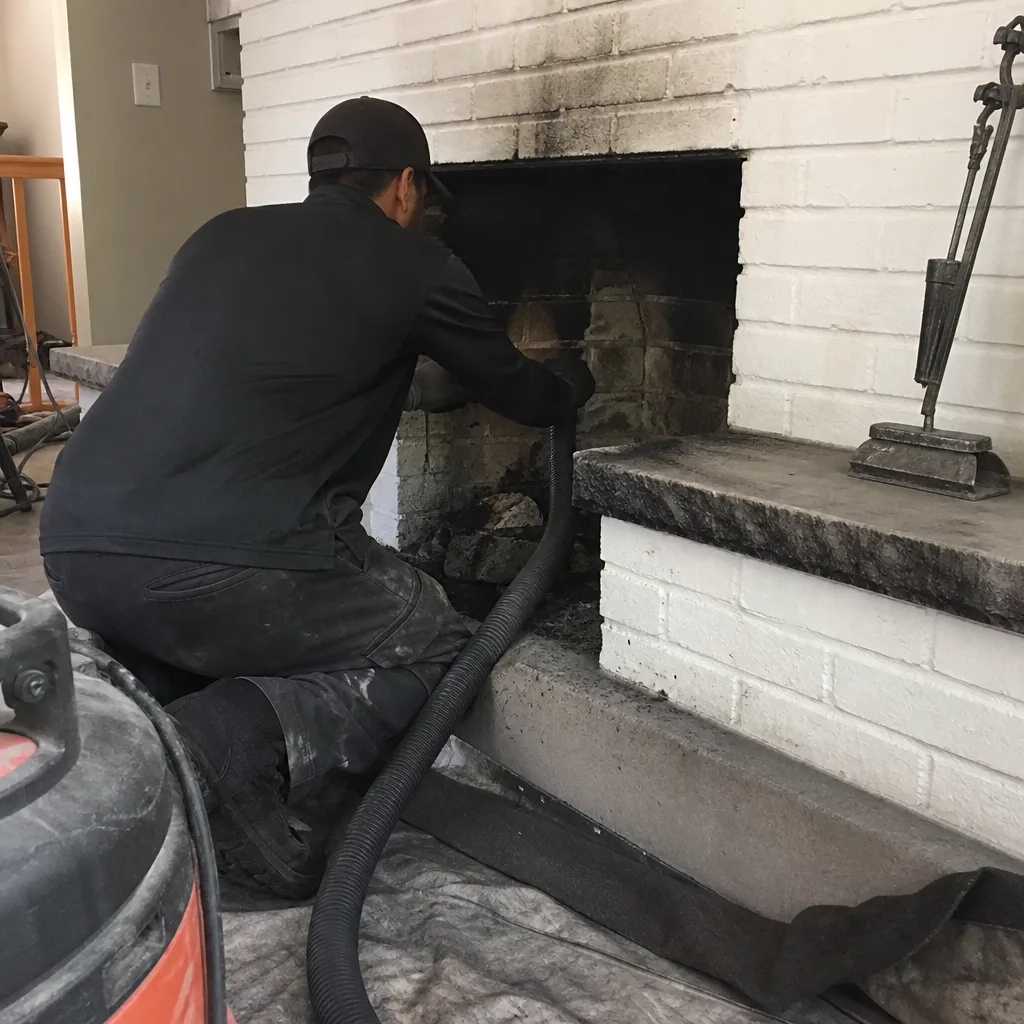 Before
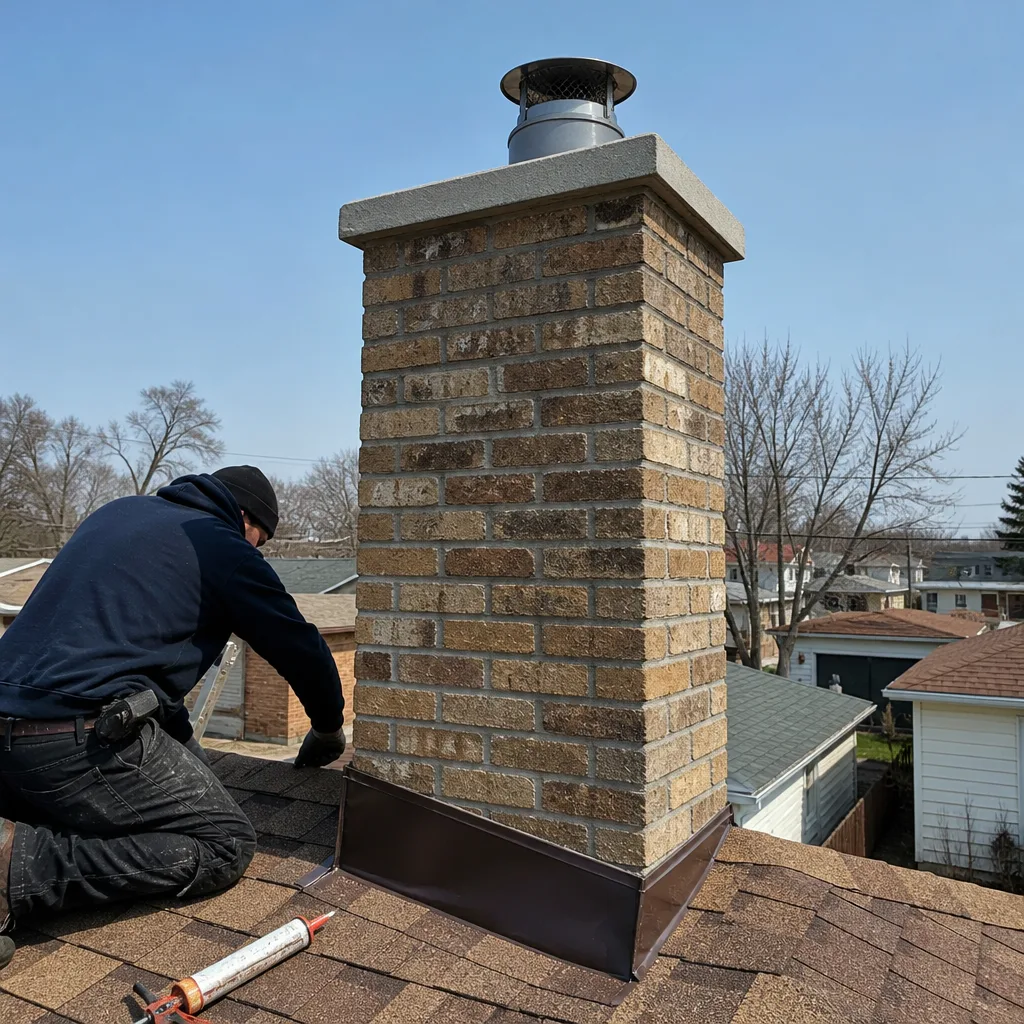 After
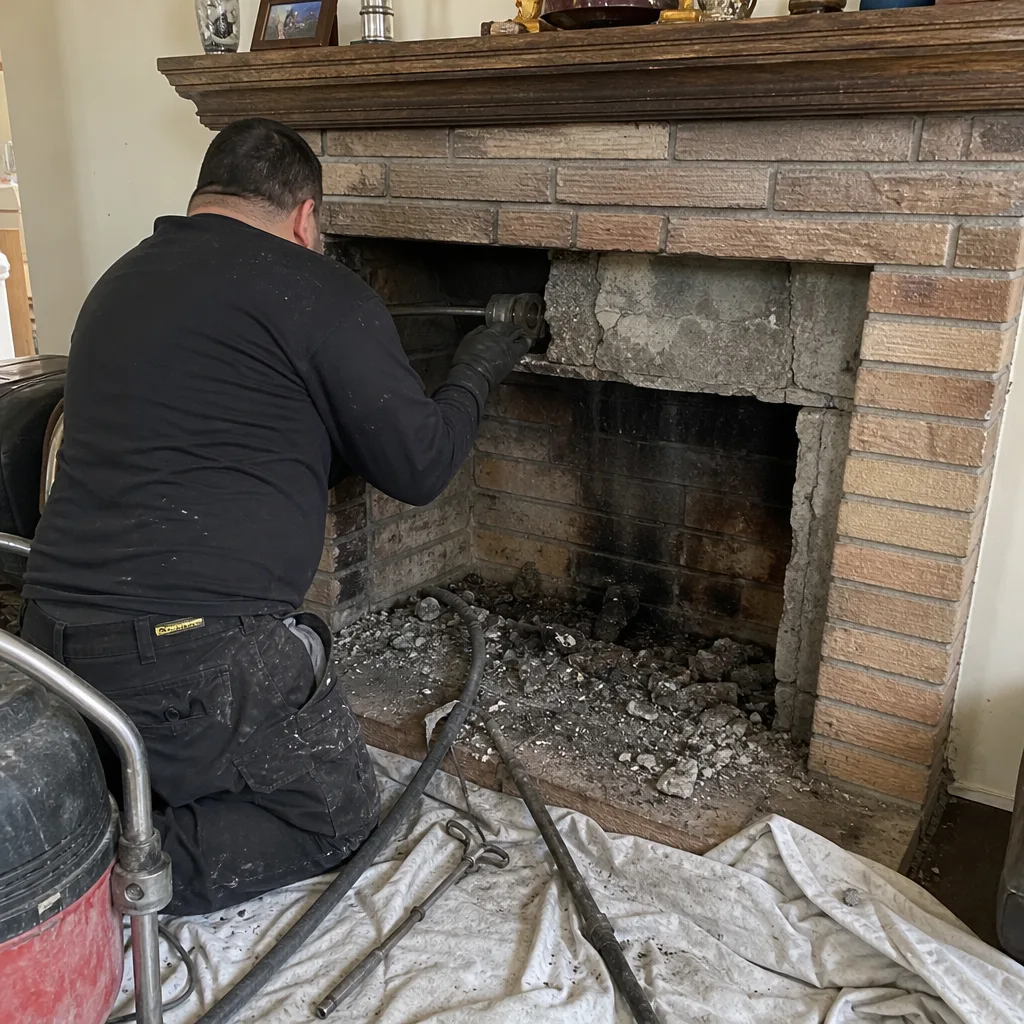 Before
 After
 Before
 After