
Last updated October 30, 2026
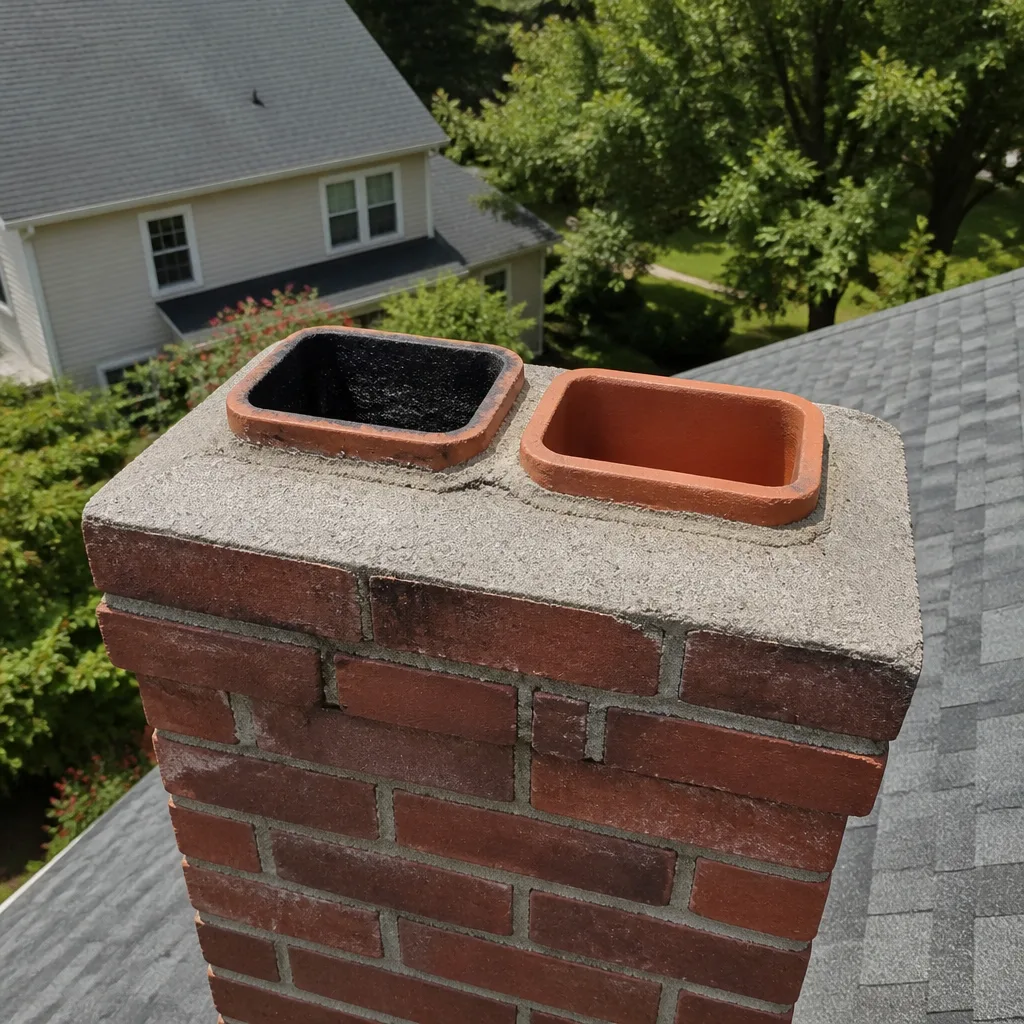 Sweep & inspection
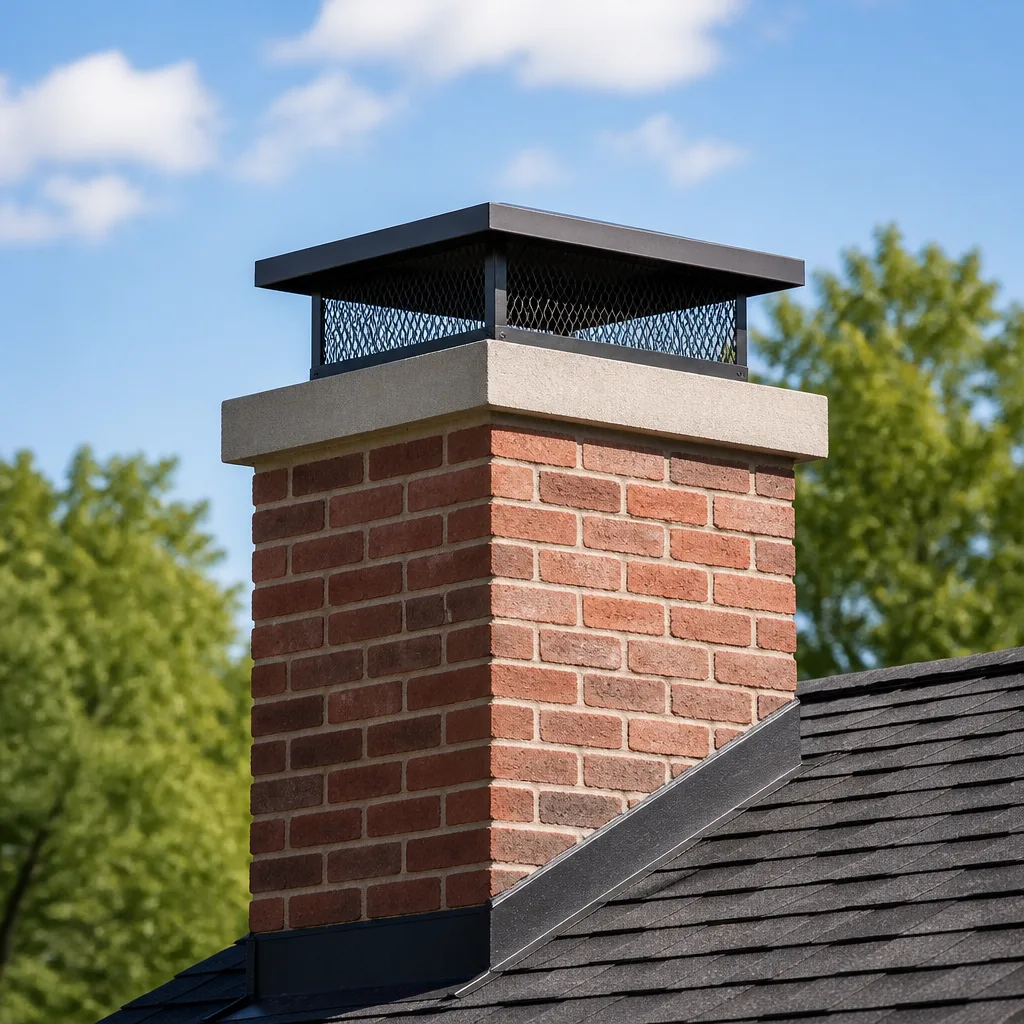 Caps & crowns
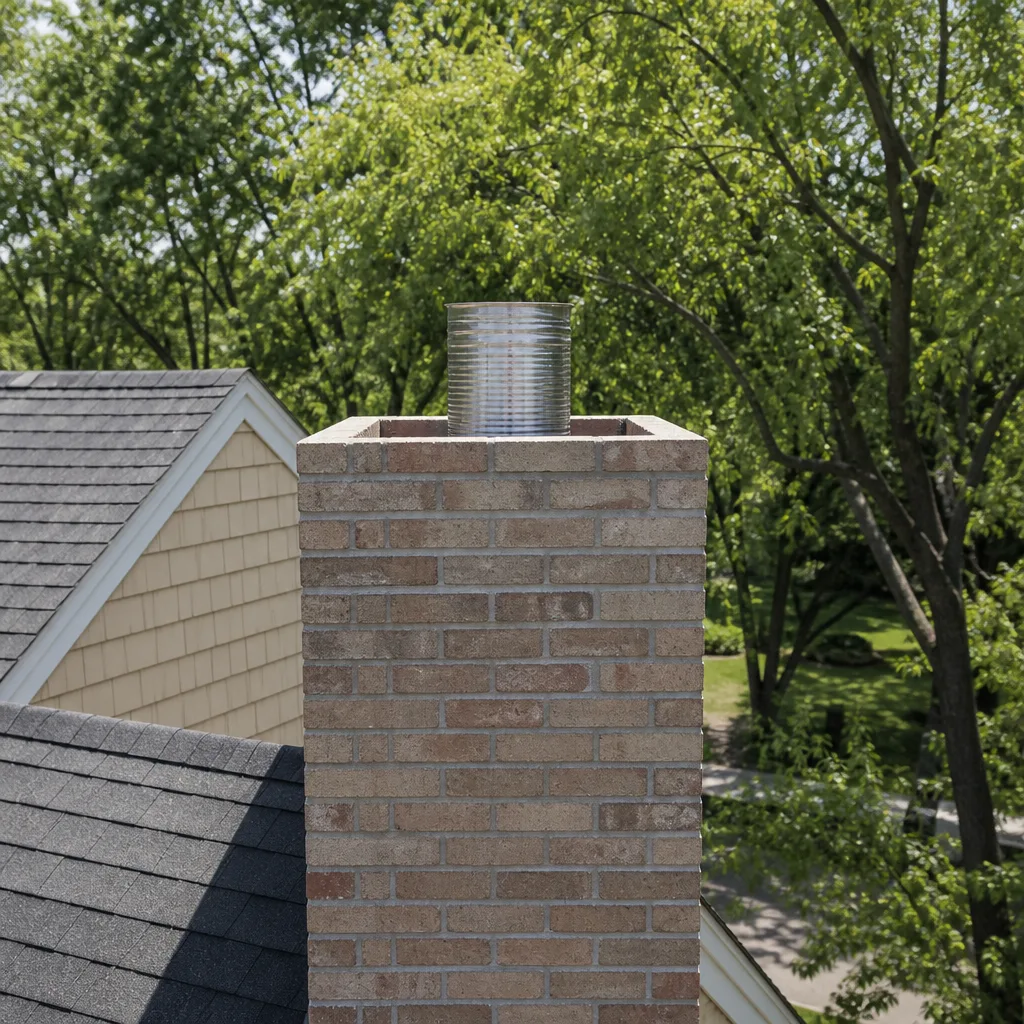 Flue relining
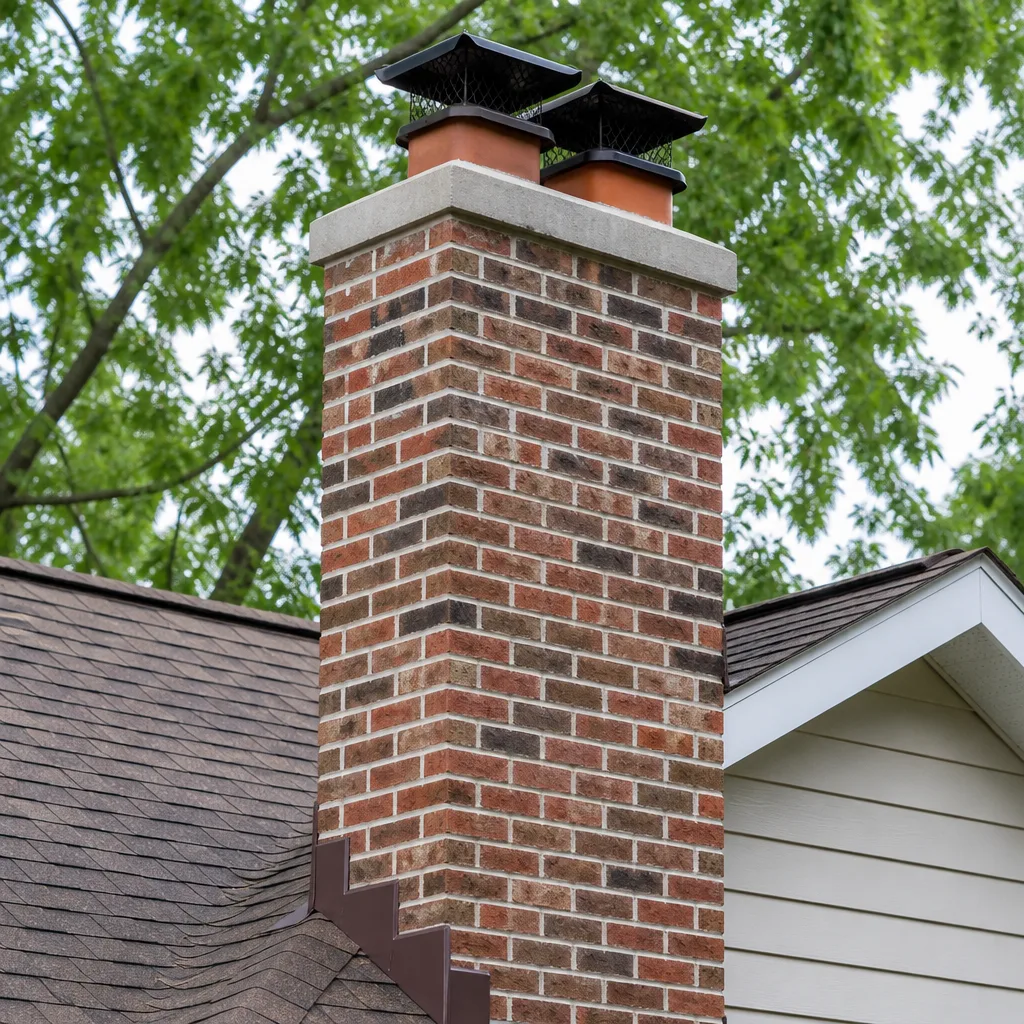 Masonry repair
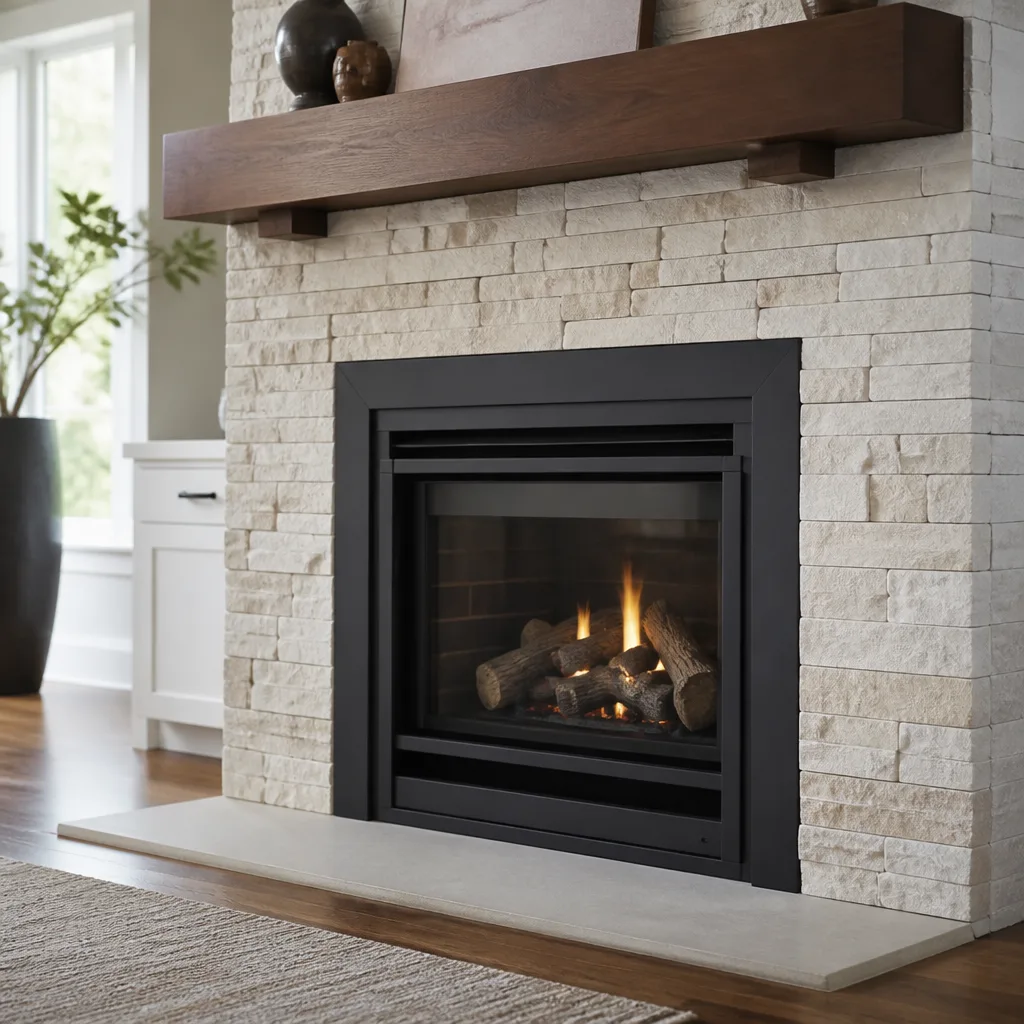 Gas fireplace service
Level 1 sweep and inspection to the NFPA 211 annual standard - flue, crown, cap, and flashing checked and photographed
Chimney sweep logs do not sweep chimneys. They loosen some creosote - which then falls where a brush and vacuum still have to collect it.
Chimney Cleaning Warning Signs: A Cicero Homeowner’s Reference Guide
Most Cicero homeowners assume a chimney problem will announce itself with smoke pouring into the living room or a fire in the flue. The reality is quieter and more gradual. Warning signs accumulate over months: a white stain spreading across brick, a smell that lingers after rain, a crackling sound inside the flue during a fire. Each one is a piece of diagnostic information, and each one means something specific. This guide explains what those signs actually indicate mechanically, so you can tell the difference between a chimney that needs monitoring and one that needs immediate attention.
Styles & brands we work with
Quick Answer
Chimney cleaning warning signs in Cicero include white efflorescence staining on exterior brick, a persistent musty or tar-like odor from the fireplace, crackling or popping sounds inside the flue during fires, smoke entering the room instead of exiting through the chimney, and visible soot or creosote buildup exceeding 1/8 inch. If you notice any of these, stop using the fireplace and schedule an inspection. A professional camera inspection can determine whether you’re dealing with routine creosote accumulation or structural flue liner damage.
Table of Contents
- The Four Visual Warning Signs You Can Assess From the Ground
- Odor as a Diagnostic Tool: Three Smells and What They Mean
- Audible Warnings: What Crackling Inside the Flue Actually Indicates
- When Smoke Enters the Room: Draft Failure vs. Structural Damage
- The Threshold: Monitoring vs. Stopping All Fireplace Use
- Cicero-Specific Factors That Accelerate Chimney Deterioration
- Common Mistakes to Avoid
- When to Call a Professional
- Frequently Asked Questions
- The Bottom Line
The Four Visual Warning Signs You Can Assess From the Ground
You don’t need a ladder or specialized equipment to spot most early chimney problems. From the sidewalk or your backyard in Cicero, four visual indicators tell you whether water, creosote, or structural stress is affecting your chimney. Here’s what to look for and what each sign means mechanically.
1. White Staining (Efflorescence)
White, chalky deposits on exterior brick are efflorescence: dissolved salts left behind when water migrates through masonry and evaporates. The water is coming from somewhere: a failed chimney cap, cracked crown, or damaged mortar joints. What matters is the timeline. If the stain appears after a heavy rain and fades within days, water is entering but the chimney is drying. If the stain persists or spreads across multiple seasons, water has saturated the interior masonry and is likely interacting with your flue liner. In Cicero’s freeze-thaw winters, trapped moisture expands when it freezes, widening hairline cracks into structural gaps. A small white stain in October can become spalling brick by March.
2. Dark Streaks or Black Staining Below the Crown
Dark staining near the top of the chimney, particularly on the section just below the concrete crown, usually indicates creosote vapor condensing on the masonry surface. This happens when the flue is not drafting properly or when creosote buildup inside the flue has reached a level where combustion byproducts escape through the crown joint. In some cases, it signals a cracked crown allowing flue gases to bypass the liner entirely. If you see dark streaks, the flue interior almost certainly has significant creosote accumulation, and a sweep is overdue. Our Chimney Sweep in Cicero service includes a camera inspection so you can see exactly what’s happening inside before any cleaning begins.
3. Rust Stains on the Damper or Firebox
Rust inside the firebox or on the damper assembly means water is entering the flue from above and reaching the lower sections of the chimney. Water should never reach your damper. A properly functioning chimney cap and crown deflect rain, and the flue liner protects surrounding masonry. Rust on metal fireplace components tells you the cap is missing, damaged, or improperly fitted, and water has been entering the flue for long enough to cause oxidation. Left unaddressed, the moisture accelerates creosote corrosion of the liner. Our Chimney Repair in Cicero team sees this pattern frequently in older Cicero homes with original clay tile liners.
4. Spalling or Flaking Brick
Spalling is what happens when brick faces crack and fall away in flakes or chunks. It is the end stage of water infiltration. The brick has been absorbing water, freezing, and thawing repeatedly until the surface fails. Spalling is not a warning sign for a future problem; it is evidence of an ongoing one. By the time brick spalls, water has been moving through the chimney structure for at least one full freeze-thaw cycle, often several. The chimney remains functional in many cases, but the structural integrity of the masonry is compromised, and repairs should be scheduled before the next winter.
Odor as a Diagnostic Tool: Three Smells and What They Mean
Chimney odors are often the earliest warning sign, appearing before any visual damage is apparent. They’re also frequently misattributed to HVAC problems, plumbing issues, or simply “old house smell.” Here are the three distinct chimney odors that Cicero homeowners should learn to recognize, because each one points to a different mechanical problem.
The Musty Smell (Moisture)
A musty, damp odor emanating from the fireplace on humid days or after rain means water is entering the chimney. The smell is organic material: soot, creosote, and possibly animal nesting material decomposing in a moist environment. Because heat from fires dries out the flue temporarily, the smell often disappears during burning season and returns in spring and summer when the fireplace sits unused. The water entry point is most commonly a failed chimney cap or cracked crown. In some cases, the source is condensation inside an unlined or improperly lined flue. Whatever the cause, the fix involves identifying where water is getting in and stopping it, then cleaning the moisture-damaged material out of the flue. We routinely identify these entry points with a camera inspection and address the cap or crown issues with professional-grade materials from Olympia Chimney and Gelco, the same brands chimney contractors use.
The Asphalt or Tar Smell (Creosote)
A sharp, acrid odor that resembles hot asphalt or tar is the smell of creosote, specifically the thick, tarry stage-three creosote that forms when chimney temperatures stay low enough for combustion byproducts to condense on the flue walls. This is not a smell that fades after cleaning in many cases, because with enough buildup, creosote permeates the porous clay liner itself. Stage-three creosote is the material most responsible for chimney fires. It is highly flammable, easily ignited by a stray ember, and difficult to remove with conventional brushing. If your fireplace smells like a freshly paved road, the flue has a creosote problem that requires professional attention.
The Persistent Smoke Smell (Draft or Damper Failure)
A smoke smell that lingers days after your last fire, even when the fireplace is cold, signals that smoke is not exiting the flue efficiently. The cause is either a draft problem (the chimney is not pulling air upward properly) or a damper that is failing to seal when closed. Draft problems have multiple origins: an undersized flue for the firebox, a chimney that is too short relative to the roof line or nearby structures, negative air pressure in the house caused by range hoods and bathroom fans, or a cold flue in winter that resists initial draw. Damper failure is more straightforward: a warped, rusted, or poorly seated damper allows smoke and odor to fall back into the room. The distinction matters because a damper replacement is a simple repair, while draft problems often require a liner or chimney height modification. Using a high-quality liner system like DuraFlex to correct draft issues is a common retrofit solution in Cicero homes where the original flue was never right-sized for the appliance.
Audible Warnings: What Crackling Inside the Flue Actually Indicates
Crackling and popping from the firebox is normal: it’s wood moisture vaporizing as the log burns. But crackling from inside the chimney itself, above the firebox, is a different signal entirely. That sound means creosote is actively burning inside the flue, or that flue liner tiles are shifting and cracking under thermal stress. The difference matters.
Creosote ignition produces a distinct sound: a rolling, crackling noise similar to a campfire but coming from inside the chimney structure, often accompanied by a roaring sound and occasionally visible embers or flames from the chimney top. This is a chimney fire, even if it appears contained, and it requires immediate action: close the damper if accessible, evacuate the home, and call the fire department. After the fire is out, a professional inspection determines whether the flue liner survived or whether the intense heat cracked clay tiles or damaged the surrounding masonry.
Tile shifting sounds different: sharp, irregular pops and pings that occur as the fireplace heats up, even with no visible flames in the flue. What you’re hearing is clay flue tiles expanding at different rates because they have already cracked or separated. Over repeated heating cycles, these tiles shift further out of alignment, creating gaps that expose the masonry behind the liner to direct flame and heat. This is how chimney fires spread into house structure: through gaps in a compromised liner. When we hear tile movement during an inspection or when clients describe this pattern, our first step is a camera inspection to see the liner condition directly. In qualifying cases, HeatShield liner repair can restore the flue without a full reline, but the window for that approach closes as damage worsens.
When Smoke Enters the Room: Draft Failure vs. Structural Damage
A fireplace that suddenly begins smoking into the room is sending a clear message, but not necessarily the one most homeowners assume. The automatic assumption is that the chimney is dirty, and a sweep will fix it. Sometimes that’s true. More often, the smoke is a symptom of something else, and cleaning alone won’t resolve it.
Draft Failure
A draft is created by the temperature differential between the air inside the flue and the air outside. Cold flues in winter resist draw until the firebox heat warms them, which is why some fireplaces smoke only on cold starts. But persistent draft failure has other causes. The chimney may be too short compared to the roof peak or nearby trees and buildings. The house may be too airtight, creating negative pressure that pulls air down the chimney instead of up. A second fireplace or a running range hood can compete for the same air supply. In Cicero’s older housing stock, chimneys originally built for a coal-burning fireplace sometimes serve a modern fireplace insert whose draft requirements don’t match the original flue dimensions. Each of these has a different fix: a taller chimney, a top-sealing damper, a dedicated combustion air source, or a correctly sized liner. A Chimney Repair in Cicero appointment starts with identifying which of these is the actual problem.
Structural Damage
Smoke entering the room when the fireplace previously drafted well is a red flag for structural change inside the chimney. A cracked flue tile can partially collapse, obstructing the flue and forcing smoke back into the room. A deteriorating masonry chimney can shift, narrowing the flue opening. Animal nesting from birds, squirrels, or raccoons can block the flue completely. Smoke is the symptom. The cause is whatever changed inside the chimney. Camera inspection shows exactly what changed and when it needs to be addressed. HeatShield liner repair restores compromised flues without full replacement when the damage is localized, while a DuraFlex liner is the more comprehensive retrofit option for liners too far gone to restore.
The Threshold: Monitoring vs. Stopping All Fireplace Use
Not every warning sign requires an immediate stop. Some conditions call for monitoring, others call for shutting the fireplace down until a professional arrives. Here’s how to tell which situation you’re in, based on what we’ve seen across thousands of chimney inspections in Cicero homes.
Signs You Can Monitor
These conditions warrant attention soon but do not require immediate shutdown. Book a chimney cleaning and inspection within the next few weeks, but a fire or two in the meantime is not reckless.
- Mild musty odor that appears only after heavy rain and disappears within a day: water entry is likely occurring but has not yet caused liner damage. Schedule an inspection before the next burning season.
- Light efflorescence on a small section of brick: water is moving through the masonry, but if the staining is recent and localized, a crown or cap repair can stop the progression before freeze-thaw cycles worsen it.
- Occasional back-puffing on cold starts that resolves once the flue warms up: this is a draft characteristic, not a structural failure. A top-sealing damper or adjusted lighting technique often resolves it.
- Dry, flaky creosote discovered during a visual check of the firebox: stage-one creosote is normal and removable with professional brushing. Schedule a sweep before the next fire.
Signs That Require Immediate Shutdown
Stop using the fireplace and call for an inspection as soon as possible. Do not wait for the burning season to end.
- Any crackling or popping sound from inside the chimney during a fire, especially accompanied by a roaring noise: this is likely a chimney fire in progress or a failing liner under thermal stress.
- Smoke entering the room on a consistent basis after the fire is established: a consistent draft reversal signals a structural blockage or liner failure. Carbon monoxide exposure is the risk here, not just smoke nuisance.
- Thick, tar-like creosote visible on firebox walls or dripping from the damper: stage-three creosote is flammable at relatively low temperatures and can ignite from ordinary fireplace use.
- Visible cracks in the chimney crown with water staining below them: the structural protection has failed, and water is entering the flue and masonry regularly. Each freeze-thaw cycle is actively worsening the damage.
- Odor from the fireplace that resembles hot asphalt even when no fire has burned recently: this indicates creosote saturation of the liner, which is both a fire hazard and a moisture problem.
Cicero-Specific Factors That Accelerate Chimney Deterioration
Cicero’s climate and housing stock combine to make chimney problems worse than they are in many other parts of the country. Understanding these local factors helps explain why a chimney that was fine last winter may show problems this fall.
Freeze-Thaw Cycling
Cicero winters typically bring multiple freeze-thaw cycles each month, not a single deep freeze. Water trapped in masonry expands when it freezes, then the masonry contracts when it thaws. Each cycle widens existing cracks microscopically. Over one winter, a hairline crack in a chimney crown can become a visible gap. Over five winters, it becomes a structural failure. This is why we emphasize scheduling chimney inspections in late summer or early fall, before the freeze-thaw season begins. Repairs made in October prevent damage that would otherwise accelerate through the winter months.
Older Housing Stock
Much of Cicero’s residential construction dates from the early-to-mid 20th century, when clay tile liners were standard and chimney design reflected the needs of coal or simple wood fires. Those liners are now 60 to 80 years old. Clay tile has a service life, and in many Cicero chimneys, that life is ending. The tiles crack, the mortar joints between them erode, and gaps form. A cracked tile liner is not an emergency by itself, but it is a known precursor to chimney fires and smoke intrusion. Our Chimney Repair in Cicero services address this directly, with liner restoration through HeatShield when conditions allow or full relining with DuraFlex when they don’t.
Tree Cover and Debris
Cicero’s established neighborhoods have mature trees. Leaves, twigs, and seed pods landing on the chimney cap and in the flue contribute to blockages and moisture retention. A chimney cap is the first line of defense, and many Cicero homes either don’t have one or have a cap that has outlived its usefulness. Installing or replacing a chimney cap is one of the most cost-effective chimney improvements available, and it prevents the bulk of water and debris problems we see. We stock and install Gelco and Olympia Chimney caps, so cap replacement is typically a single-visit job.
Common Mistakes to Avoid
- Burning unseasoned wood and assuming the chimney just needs more frequent sweeping. Wet wood produces far more creosote than dry wood, and over time, the buildup reaches stage three and can’t be removed by ordinary brushing. The problem isn’t the cleaning schedule; it’s the fuel.
- Ignoring a musty summer smell because the fireplace works fine in winter. Summer moisture is actively damaging your flue liner and masonry even when you’re not burning. Heat dries it out temporarily, but the damage accumulates every freeze-thaw cycle.
- Treating efflorescence as a cosmetic issue. White staining means water has already moved through your masonry. By the time it’s visible on the exterior, the interior of the flue has been wet for months.
- Assuming smoke entering the room means the chimney just needs cleaning. Draft problems and structural blockages also produce smoke, and cleaning the flue won’t fix either one. Camera inspection is the only way to tell the difference.
- Using a general handyman for chimney repairs. Chimney work involves fire codes, draft dynamics, and liner materials that general contractors don’t work with regularly. The repairs may look fine on the outside while the actual safety problem remains inside the flue.
- Ignoring the dryer vent because the chimney gets all the attention. Lint-clogged dryer vents cause roughly 2,900 residential fires annually in the US, and the warning signs are similar: longer drying times, a musty smell, and excessive heat in the laundry room. Dryer Vent Cleaning in Cicero addresses the other combustion-exhaust hazard most homes have.
When to Call a Professional
Call a chimney professional if you see white staining on exterior brick that persists between rains, smell a tar-like odor from your fireplace, hear crackling from inside the flue during a fire, see smoke entering the room on a consistent basis, or notice rust on the damper or firebox. Also call if your chimney hasn’t been inspected in over two years, even if nothing looks wrong from the ground. The problems that cause chimney fires are often invisible without a camera inspection. Wexford Chimney Sweep offers free estimates in Cicero. Call (866) 361-2607 to schedule a sweep and inspection. We sweep it, inspect it, and if something’s wrong, we fix it.
Frequently Asked Questions
A chimney used regularly during the heating season should be professionally swept and inspected once per year, ideally in late summer or early fall before burning season begins. Homes that burn unseasoned wood, use the fireplace daily, or burn soft woods like pine may need cleaning twice per year. The National Fire Protection Association standard is that any chimney with 1/8 inch or more of creosote buildup should be cleaned. Call (866) 361-2607 to book your annual sweep, and we’ll confirm whether your burning habits require a more frequent schedule.
White staining on exterior chimney brick is efflorescence, which means water has migrated through the masonry and evaporated on the surface, leaving behind mineral salts. The water entry point is usually a failed chimney cap, cracked crown, or damaged mortar joints. If the staining persists or spreads, water has reached the interior flue and is likely damaging the liner. A professional inspection can identify the entry point and recommend the specific repair needed.
No. A musty smell means moisture is present in the flue, usually from rainwater entry or condensation. A tar or asphalt smell means creosote has built up significantly, possibly to stage three where it becomes both difficult to remove and highly flammable. A persistent smoke smell when the fireplace is cold means the damper isn’t sealing or the flue isn’t drafting properly. Each smell points to a different problem, and all three warrant professional inspection.
A cracked crown can sometimes be patched with an appropriate masonry sealant, but the quality of the repair depends heavily on proper surface preparation and product selection. More importantly, crown cracks often mean the chimney has already experienced water infiltration, and the flue liner may need attention as well. A professional inspection tells you whether the crown is the only problem or whether liner damage has already occurred. We use industry-standard products from Olympia Chimney and Gelco for crown and cap work.
Creosote accumulation thickens with each burning season. Stage-one creosote is flaky and removable. Stage-two creosote is thicker and requires more aggressive cleaning. Stage-three creosote is tar-like and can require chemical treatment or liner replacement. Each stage increases the risk of chimney fire, and if the fire occurs, the flue liner may crack, which then allows heat and flames to reach the house structure around the chimney. The safest approach is an annual sweep before the burning season. Estimates are free.
We are a full-service chimney specialist, equipped to sweep, diagnose, and repair in a single relationship. Our repair work uses professional-grade product lines including DuraFlex for liner installation, HeatShield for liner restoration when conditions allow, and Gelco and Olympia Chimney for caps and covers. These are the same brands chimney contractors rely on nationwide, not hardware-store substitutes. And we also handle dryer vent cleaning, so one company covers both of the leading residential combustion-exhaust fire hazards in your home.
The Bottom Line
Chimney warning signs are readable if you know what to look for. White staining means water. Tar smell means creosote. Crackling from the flue means liner trouble. Smoke in the room means draft or structural failure. The difference between a minor repair and a dangerous condition comes down to identifying which sign you’re seeing and acting on it before the next freeze-thaw cycle or the next fire. In Cicero, the climate accelerates these problems, and older housing stock amplifies them. An annual chimney sweep with camera inspection is the most effective way to catch problems early. And when something is found, having a specialist who can fix it, rather than just diagnose it, makes the process that much simpler.
Written by the team at Wexford Chimney Sweep, serving Cicero since 2013.
See the difference
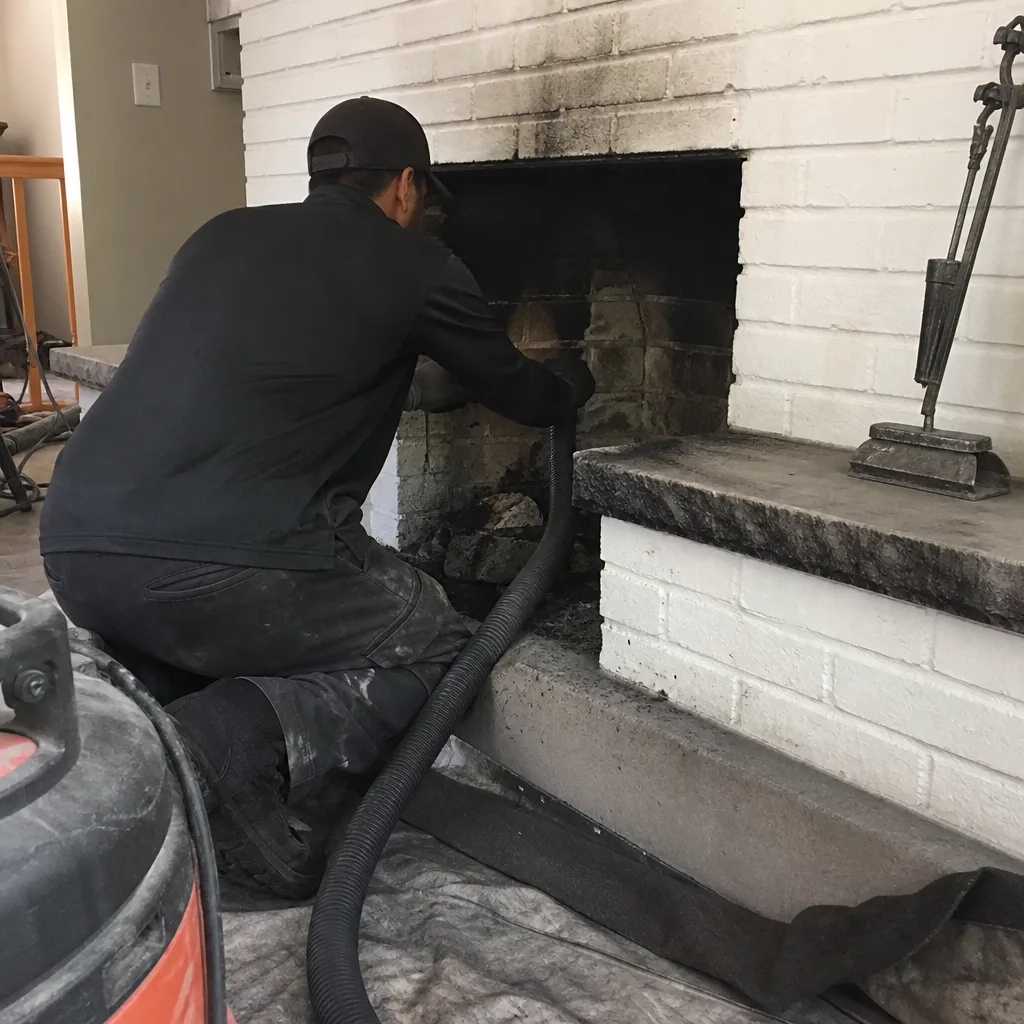 Before
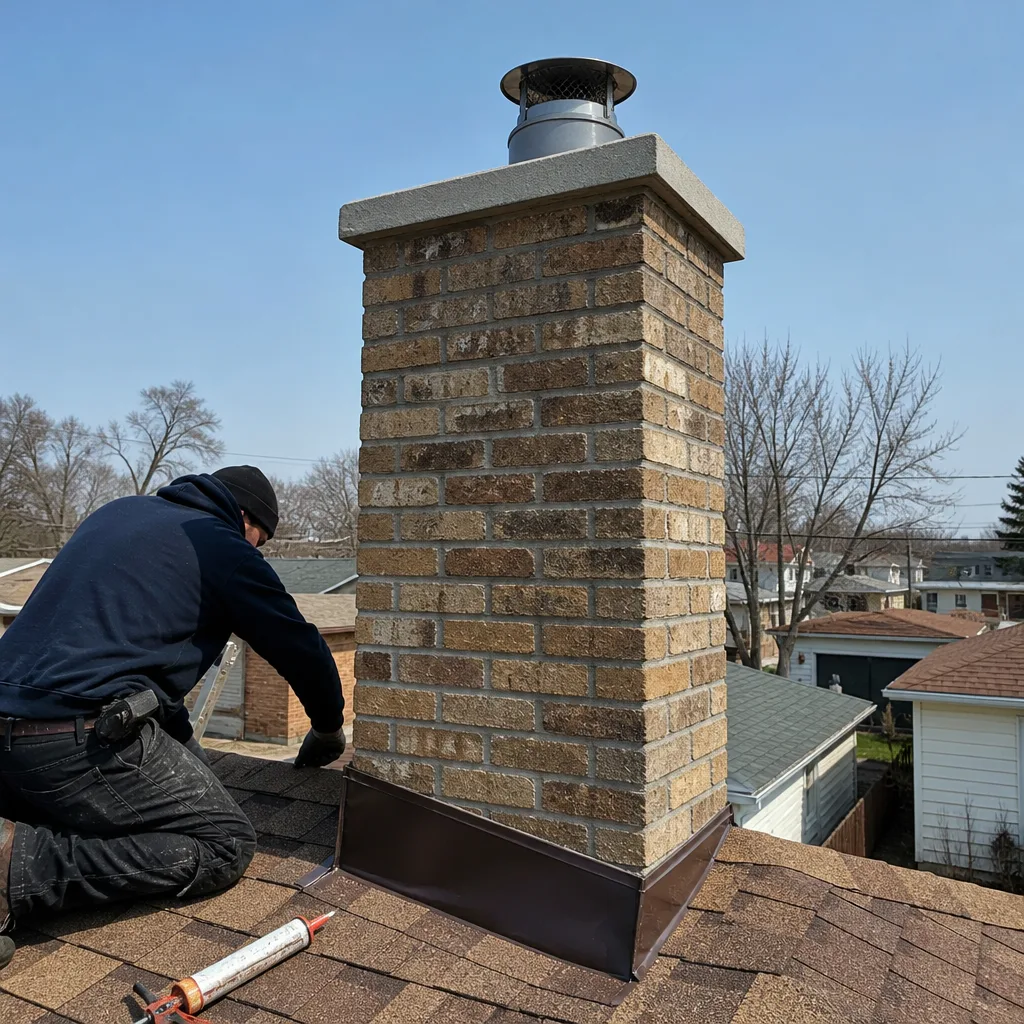 After
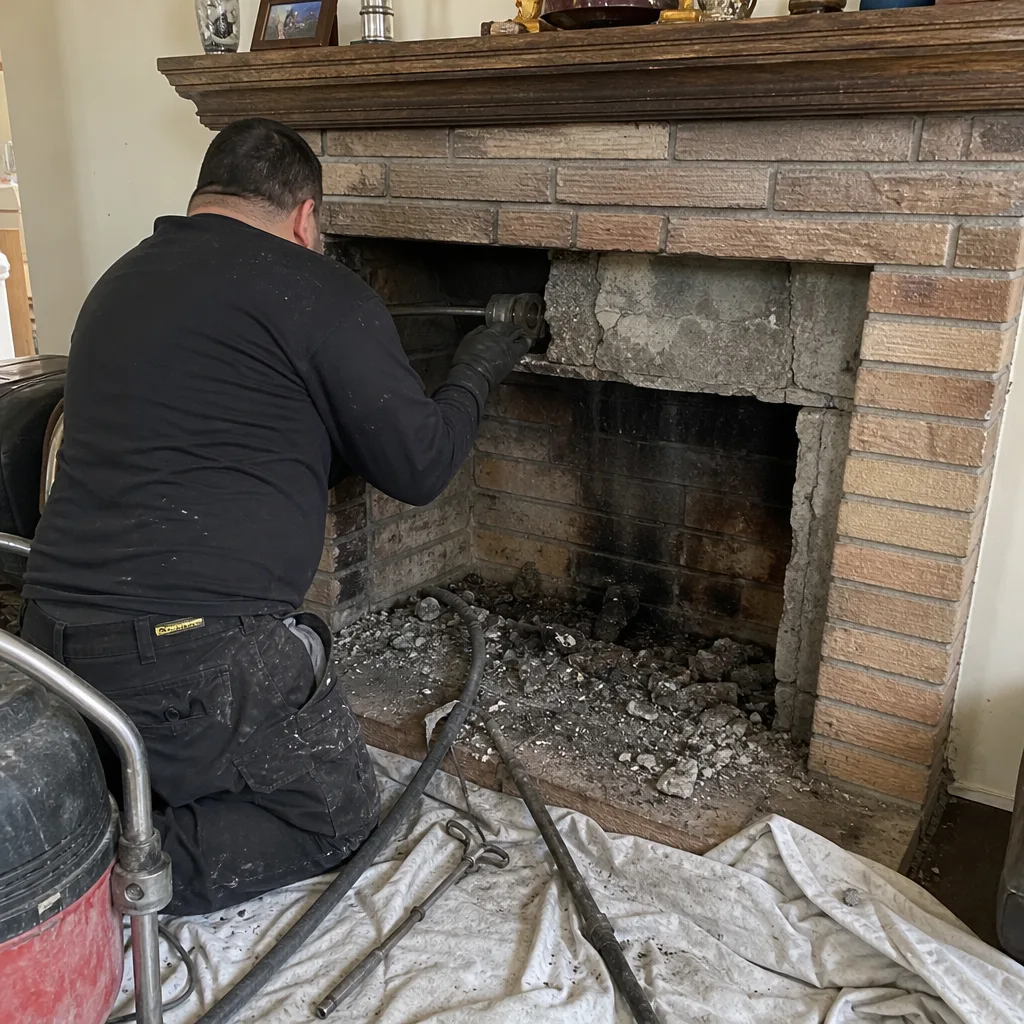 Before
 After
 Before
 After