
Last updated October 30, 2026
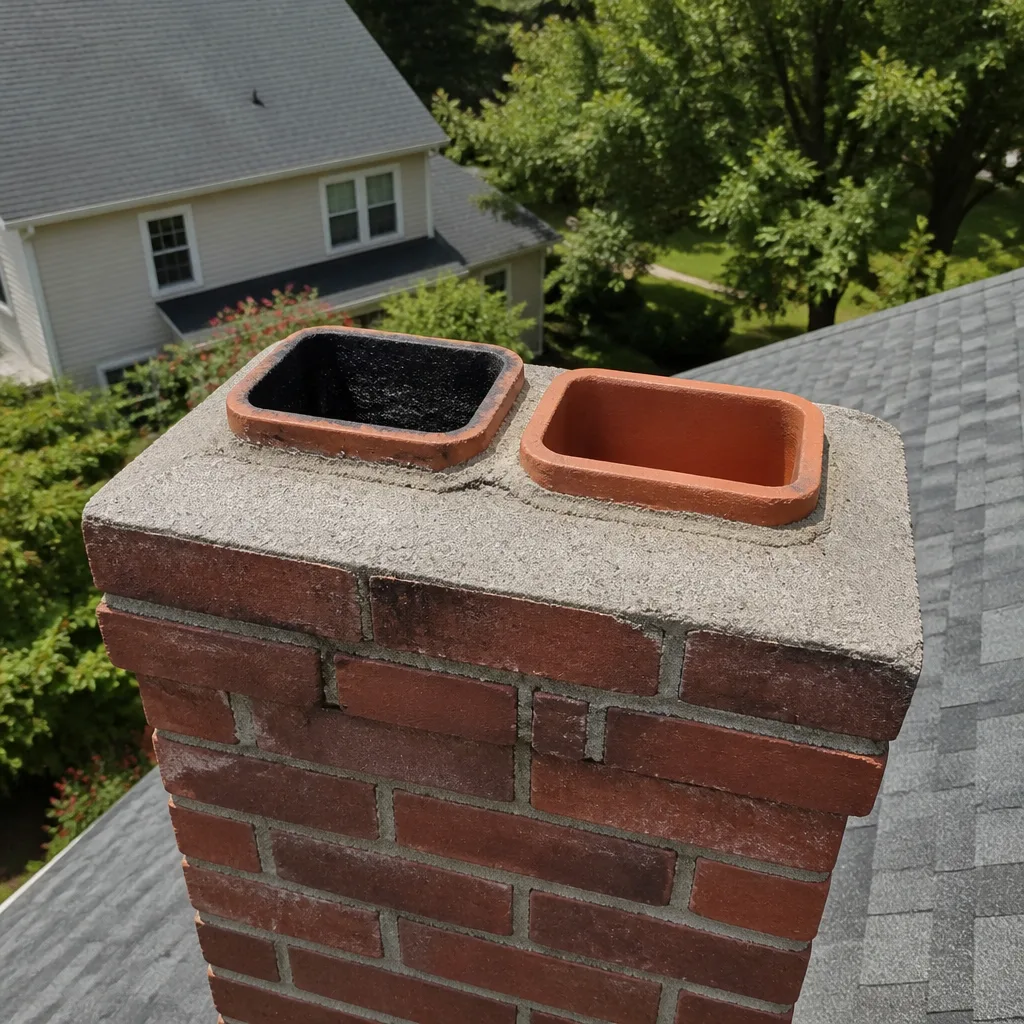 Sweep & inspection
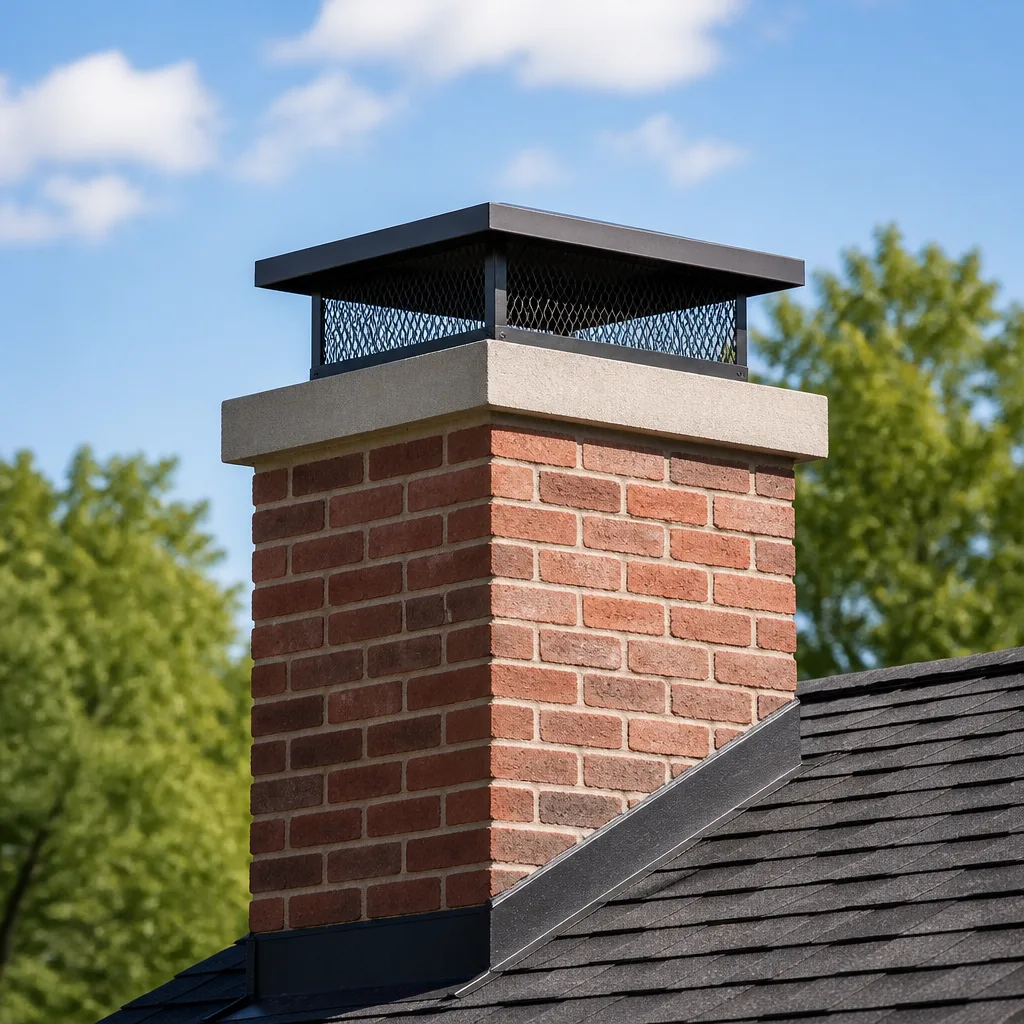 Caps & crowns
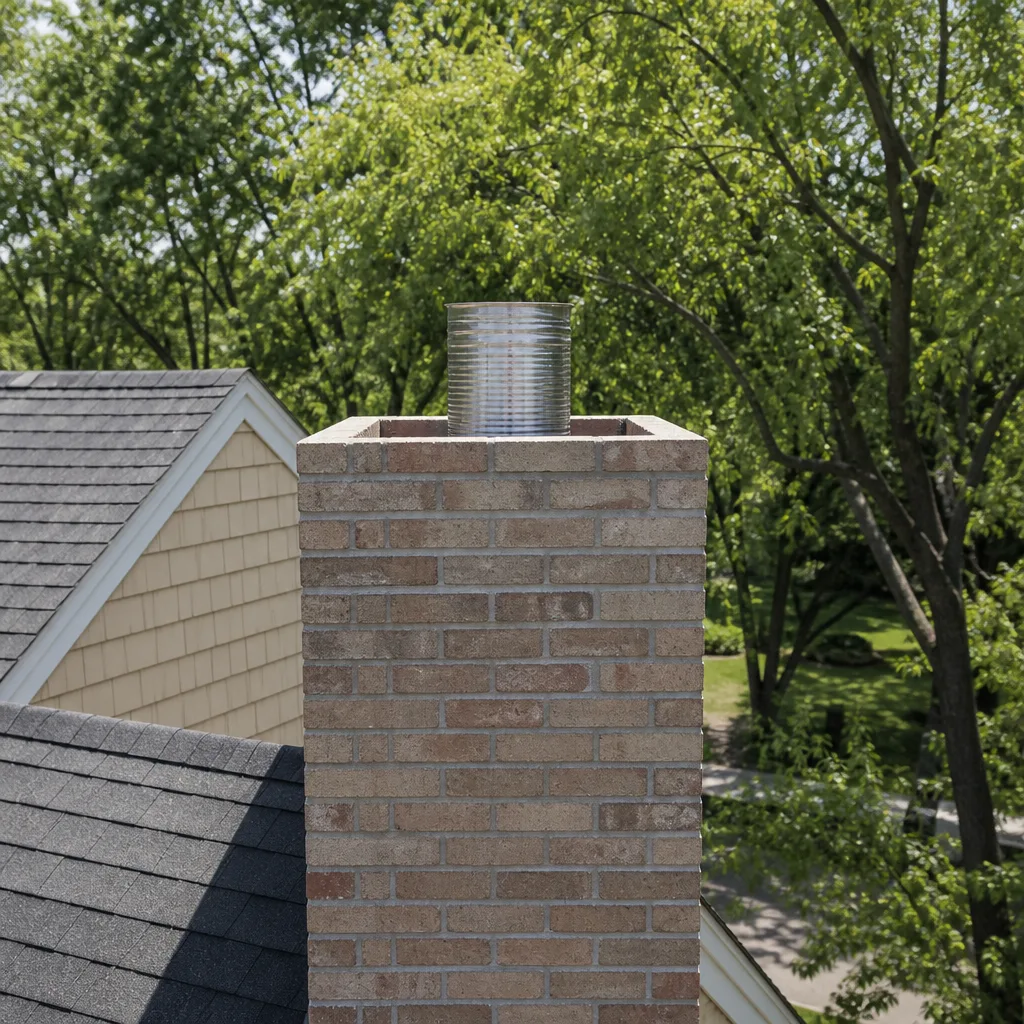 Flue relining
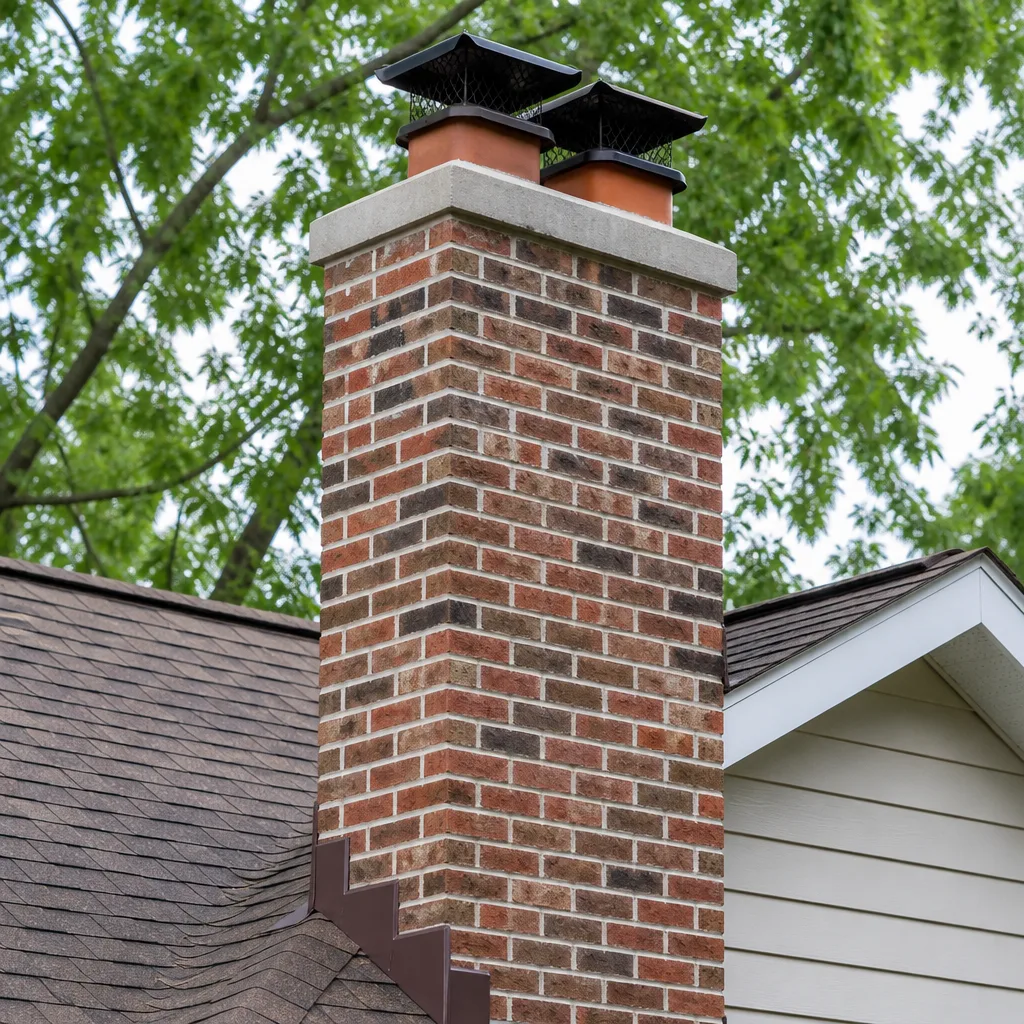 Masonry repair
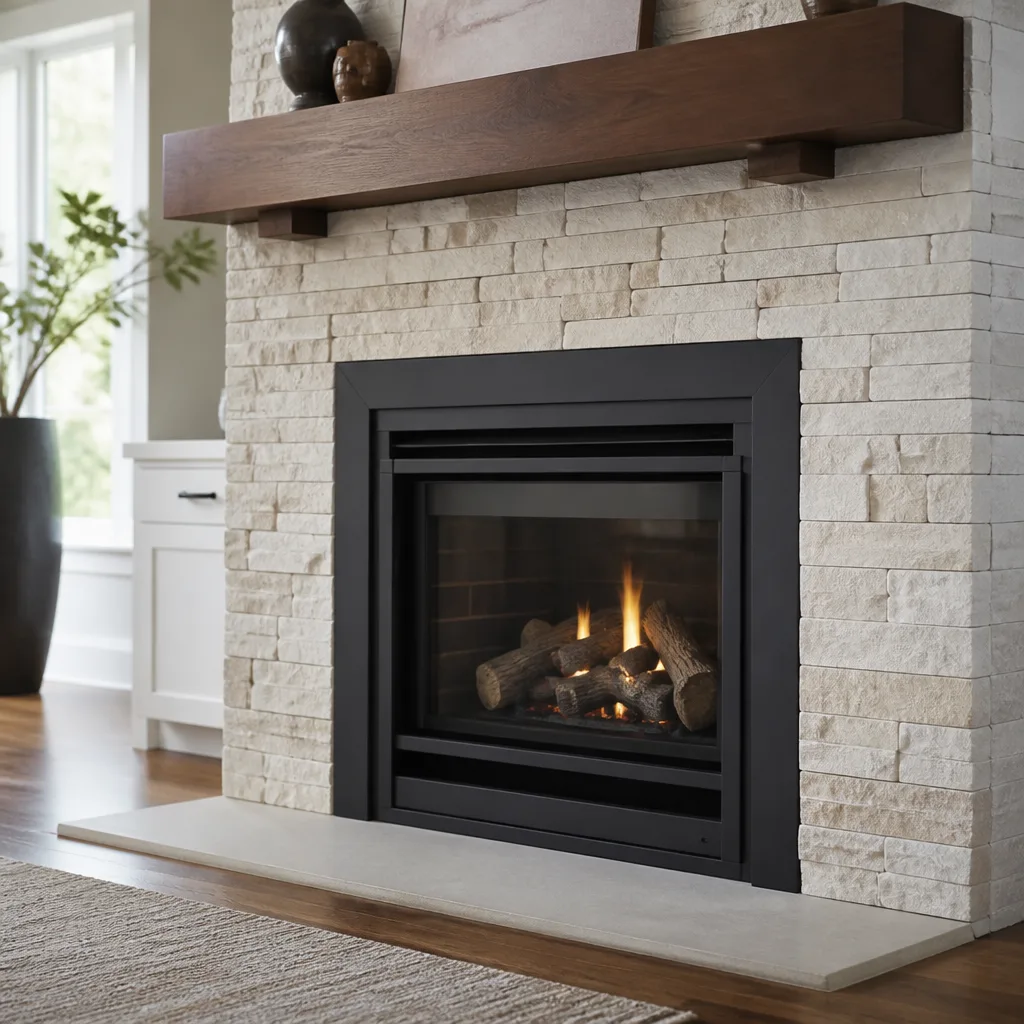 Gas fireplace service
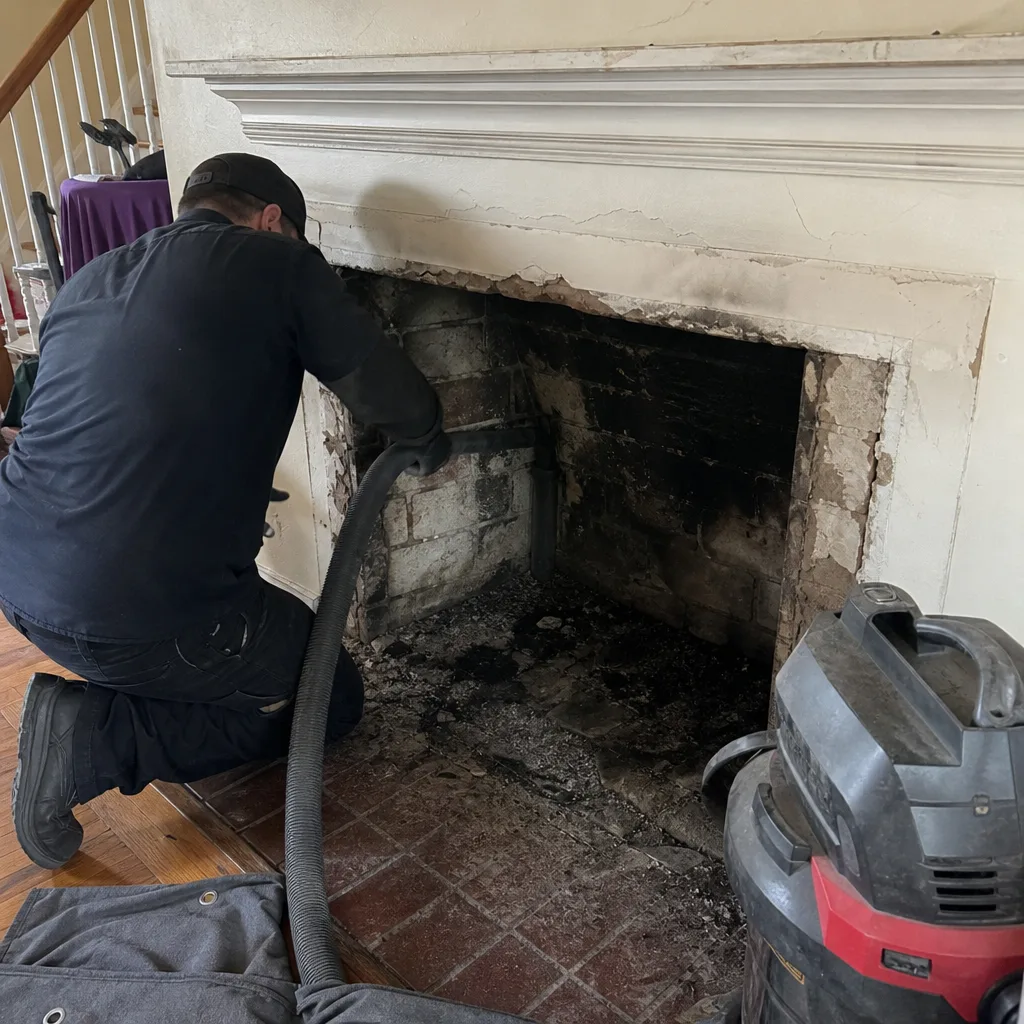
Level 1 sweep and inspection to the NFPA 211 annual standard - flue, crown, cap, and flashing checked and photographed
Chimney sweep logs do not sweep chimneys. They loosen some creosote - which then falls where a brush and vacuum still have to collect it.
Chimney Cleaning Emergency Preparedness Guide for Cicero Homes
A chimney fire in a Cicero bungalow can reach 2,000°F inside the flue, hot enough to crack clay tile liners and ignite adjacent framing, and it often sounds like a low roar that homeowners mistake for wind or a draft problem until it’s advanced. Most chimney emergencies share the same root cause: deferred maintenance on a system that gets used hard through six months of Illinois heating season. This guide explains the warning sequence, the correct emergency response, and the documentation habits that protect your family and your insurance claim if something goes wrong. You’ll learn what a chimney fire actually sounds like from inside the living room, why closing the damper before calling 911 is the wrong order of operations, and how Cicero homeowners can build an emergency-ready chimney file that makes post-incident recovery faster and less adversarial.
Quick Answer
Chimney emergencies in Cicero homes include active chimney fires, carbon monoxide back-drafting through the flue, and structural blockages from animal nests or collapsed liners. If you suspect a chimney fire, call 911 first, evacuate the home, and do not attempt to close the damper or extinguish the fire yourself. After any chimney fire, even one that appears minor, the chimney is not safe to use until a certified specialist completes a Level 3 inspection.
Styles & brands we work with
Table of Contents
- How to Identify an Active Chimney Fire From Inside Your Cicero Home
- The Immediate Action Sequence: What to Do First, What to Avoid
- Carbon Monoxide: The Silent Chimney Emergency in Cicero Homes
- Post-Fire Protocol: Why You Need a Level 3 Inspection Before the Next Burn
- Building an Emergency-Ready Chimney File for Insurance and Repairs
- Cicero-Specific Risk Factors: Why This Market Has Unique Exposure
- Prevention as Emergency Preparedness: The Maintenance Schedule That Prevents Fires
- Common Mistakes to Avoid
- When to Call a Professional
- Frequently Asked Questions
How to Identify an Active Chimney Fire From Inside Your Cicero Home
An active chimney fire does not always present as visible flames shooting from the chimney cap. In most Cicero homes, the first sign is auditory: a low, rumbling roar that sounds like a freight train passing overhead or a jet engine idling in the distance. That sound is creosote, the tar-like combustion byproduct that coats your flue, igniting at temperatures between 1,000°F and 2,000°F. If you hear that roar and you have a fire burning in the firebox, assume it is a chimney fire.
The visual signs are equally specific. Look for dense, dark smoke billowing from the chimney exterior, more voluminous and darker than normal wood smoke. Inside the home, you may see flames or glowing embers visible through any cracks in the chimney structure, or unusual heat radiating from the chimney breast itself. If the wall surrounding your fireplace feels hot to the touch in areas it normally doesn’t, the fire has likely breached the flue liner and is contacting the masonry structure directly.
Smell matters too. Creosote ignition produces an acrid, chemical odor distinct from normal wood smoke. Some homeowners describe it as similar to burning tar or roofing material. If you notice this smell combined with any of the sounds above, take action immediately. In our experience, Cicero homeowners with older clay tile liners are at higher risk because clay tiles crack under the thermal shock of a chimney fire, and once cracked, they offer a direct path for heat and flame to reach combustible framing.
Normal fire sounds are soft crackling and popping from the firebox. A chimney fire sounds mechanical and industrial. If you’re unsure, err on the side of caution.
The Immediate Action Sequence: What to Do First, What to Avoid
The order of operations in a chimney fire matters more than most homeowners realize. Here is the correct sequence, based on guidance from fire safety authorities and what we’ve seen work in real Cicero homes over the years.
- Call 911 from inside the home immediately. Do not wait, do not investigate further, do not try to assess severity. A chimney fire can spread to the roof and attic structure within minutes. Cicero Fire Department response times are strong, but structural fire spreads faster.
- Evacuate everyone from the home, including pets. Do not stop to gather belongings. Close doors behind you as you exit to slow fire spread, but only if doing so does not delay evacuation.
- If it is safe to do so, close the fireplace glass doors or fire screen. Do not close the damper. Closing the damper can force heat and gases back into the living space, creating a more dangerous indoor situation. The goal is to reduce oxygen reaching the firebox, not to seal the flue.
- Wait for the fire department outside. Do not re-enter the home for any reason until fire personnel confirm it is safe.
What not to do is equally important. Do not throw water on the fire in the firebox. The thermal shock can crack the firebox and flue liner, making structural damage worse. Do not use a chemical fire extinguisher in the firebox. Do not attempt to access the roof to inspect or extinguish anything. Do not assume the fire is out because the roaring sound stops. Chimney fires can smolder inside the flue and masonry for hours after visible signs subside.
After the fire department clears the scene, the chimney is not safe to use. Cancel any planned burns and contact a certified chimney specialist for a full assessment before the next fire.
Carbon Monoxide: The Silent Chimney Emergency in Cicero Homes
Chimney fires are dramatic and visible. Carbon monoxide is the opposite, and in a city like Cicero where furnaces run hard from October through April, it may actually be the more dangerous of the two. The U.S. Consumer Product Safety Commission identifies CO as the leading cause of accidental poisoning deaths in the United States. In homes with fireplaces and unlined or damaged flues, the risk is compounded by back-drafting.
Back-drafting occurs when the natural draft of a chimney reverses, pulling combustion gases back into the home instead of venting them outside. The most common causes in Cicero homes are blocked flues from animal nests, creosote buildup that restricts airflow, negative air pressure created by newer tightly sealed windows and doors, and flue liner damage that disrupts the drafting mechanism. When a flue is partially blocked, CO can enter the living space without any visible smoke or smell to alert you.
CO detectors are non-negotiable. Position them near the fireplace and near any furnace flue exits. If you have a gas fireplace, a CO detector near that unit is equally important because gas appliances produce CO as a combustion byproduct. Test detectors monthly during heating season and replace batteries twice a year.
Symptoms of CO exposure include headache, dizziness, nausea, and confusion that improves when you leave the home. If a CO alarm sounds, evacuate immediately, call 911, and do not re-enter until the fire department has confirmed safe CO levels. Unlike a chimney fire, you won’t hear or see CO coming. The best preparation is functional detection and a flue that’s been professionally swept and inspected before each heating season.
Post-Fire Protocol: Why You Need a Level 3 Inspection Before the Next Burn
A chimney that survives a fire without visible structural damage from the outside is not automatically safe to use. The National Fire Protection Association (NFPA) Standard 211 establishes three levels of chimney inspection. A Level 3 inspection is the most comprehensive and is specifically required after any chimney fire, any earthquake or seismic event, or any incident that may have caused structural compromise. In Cicero, where the housing stock includes many pre-1960 brick structures, this standard is especially relevant.
Level 3 inspection involves accessing concealed areas of the chimney structure. This may mean removing portions of drywall, ceiling material, or exterior masonry to inspect the flue liner, smoke chamber, and surrounding framing for hidden damage. The inspection is invasive by design, because the damage from a 2,000°F fire is often invisible from the firebox or the roof. Cracked clay tiles, separated mortar joints, and heat-damaged framing are all hidden-failure risks that can cause a second, more destructive fire months after the first incident.
Homeowners sometimes skip the Level 3 inspection because the first fire seemed minor or the fire department said the structure was safe to re-enter. Fire department clearance addresses life safety at the scene. It does not address chimney structural integrity for future use. The distinction matters for insurance too. Most homeowner policies require documentation of professional assessment after a chimney fire before covering subsequent claims. If a second fire occurs and you cannot show a Level 3 inspection was completed after the first, the claim may be denied.
Schedule the Level 3 inspection before you light another fire. It’s the single most important post-emergency action a Cicero homeowner can take.
Building an Emergency-Ready Chimney File for Insurance and Repairs
When a chimney emergency happens, the last thing you want is to search through drawers for old receipts while the adjuster waits. An emergency-ready chimney file solves this. It’s a simple folder, physical or digital, that contains every document a contractor or insurance company would need to assess your chimney quickly. Cicero homeowners who maintain this file typically see faster claim processing and fewer disputes about pre-existing conditions.
Your chimney file should include:
- Inspection reports from every professional chimney sweep or inspection, dated and noting creosote levels and liner condition.
- Service records showing dates of sweeping, repair work, liner replacement, or cap installation, including the products used where applicable.
- Photos of the chimney exterior, firebox, damper, and any visible flue liner surfaces, taken from multiple angles and dated.
- Receipts for all chimney-related work and materials, including brand names and model numbers where recorded.
- Any correspondence with insurance providers, prior claims, or contractor estimates.
This file also serves as a decision-making tool. When a contractor recommends a repair, you can look at the file and see whether the issue has been flagged before, whether it’s worsening, and whether the recommendation aligns with what prior inspection reports noted. It prevents the “surprise repair” experience that makes homeowners distrustful. If your chimney is older, consider adding a baseline Level 2 inspection to the file, which uses video scanning to document interior flue condition. That baseline becomes the reference point for all future comparisons.
Cicero-Specific Risk Factors: Why This Market Has Unique Exposure
Cicero’s housing stock creates specific chimney risk patterns that differ from newer suburban developments. Many Cicero homes were built between 1900 and 1960, with brick masonry chimneys and clay tile liners that have now seen 60 to 120 heating seasons. Clay tiles crack under thermal cycling and moisture intrusion, and Cicero’s freeze-thaw winters accelerate the process. When water penetrates the masonry, freezes, and expands, it weakens both the brick structure and the internal liner system.
The climate also means chimneys sit dormant for roughly half the year. During spring and summer, animals take advantage of unused flues. Raccoons, squirrels, and birds commonly nest in Cicero chimneys, and their nesting materials are highly flammable. A sweep before the first fall fire removes these hazards, but homeowners who skip that step essentially build a kindling pile inside their flue before lighting the season’s first fire.
Local construction patterns matter too. Many Cicero homes have chimneys that run through interior walls and exit through the roof peak, while others have exterior chimneys exposed to the elements on three sides. Exterior chimneys run colder, which slows draft on startup and accelerates creosote condensation. If you have an exterior chimney on a frame home, you likely need more frequent sweeping than the national-average recommendation, especially if you burn softwood or unseasoned wood.
Cicero’s population density is another consideration. Homes sit close together, which means a chimney fire that spreads to the roof threatens neighboring structures more quickly than in rural areas. The fire department is well equipped for this, but the building-to-building proximity gives every homeowner an extra reason to maintain their flue properly.
Prevention as Emergency Preparedness: The Maintenance Schedule That Prevents Fires
Every chimney fire and CO back-draft emergency is, in hindsight, preventable. The NFPA recommends annual chimney sweeping and inspection for any solid-fuel burning appliance, regardless of usage frequency. That is the floor, not the ceiling. For Cicero homeowners who burn wood more than two to three times per week during heating season, twice-annual sweeping may be appropriate, especially with an exterior chimney or softer wood types.
Your prevention schedule should include:
- Annual sweep and inspection before the first fall fire. This removes creosote from the previous season, clears animal nests from the summer, and documents liner condition before winter stress begins.
- Visual checks throughout burning season. Look for smoke entering the room instead of drafting upward, visible creosote flakes on the damper or firebox floor, and any new cracking in the chimney exterior.
- Professional dryer vent cleaning on a similar schedule. Dryer vents are the second leading residential fire hazard after chimneys, and Cicero homes with electric dryers often go years without vent maintenance.
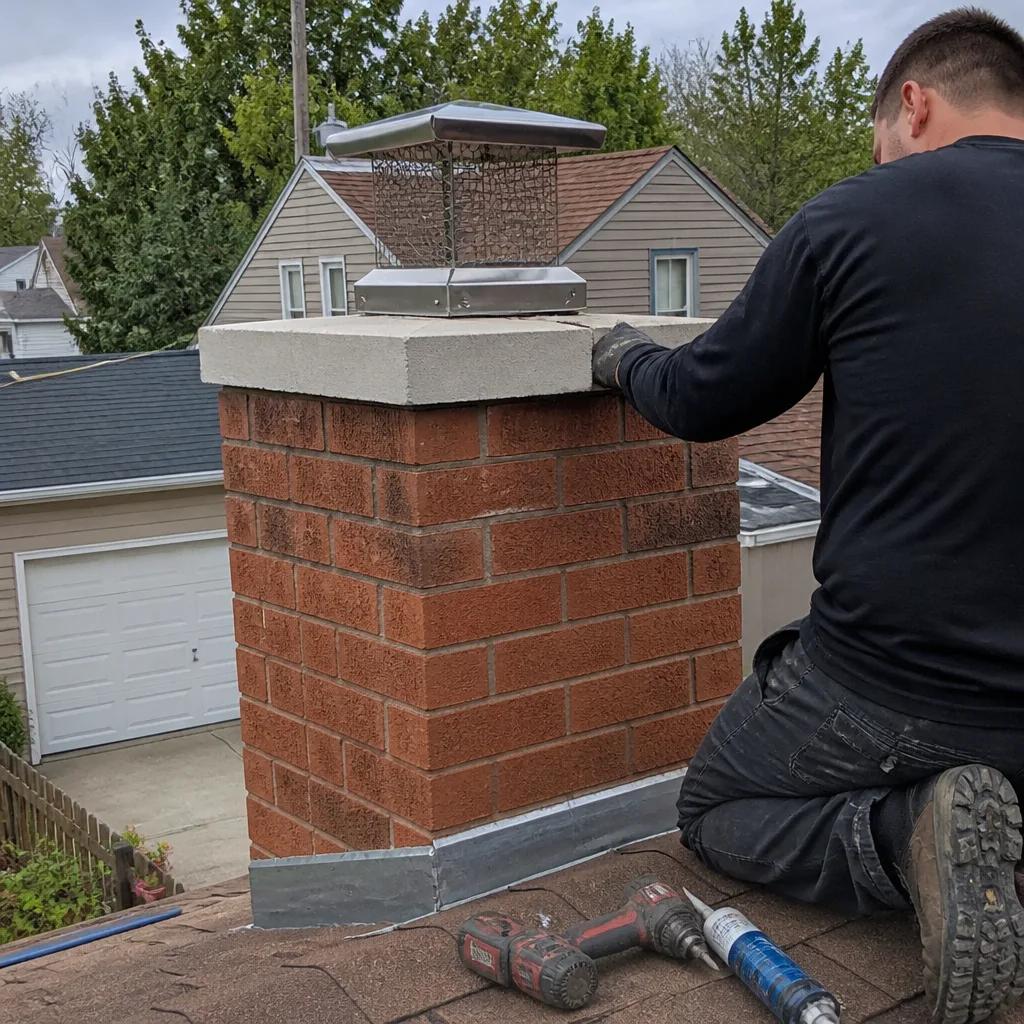
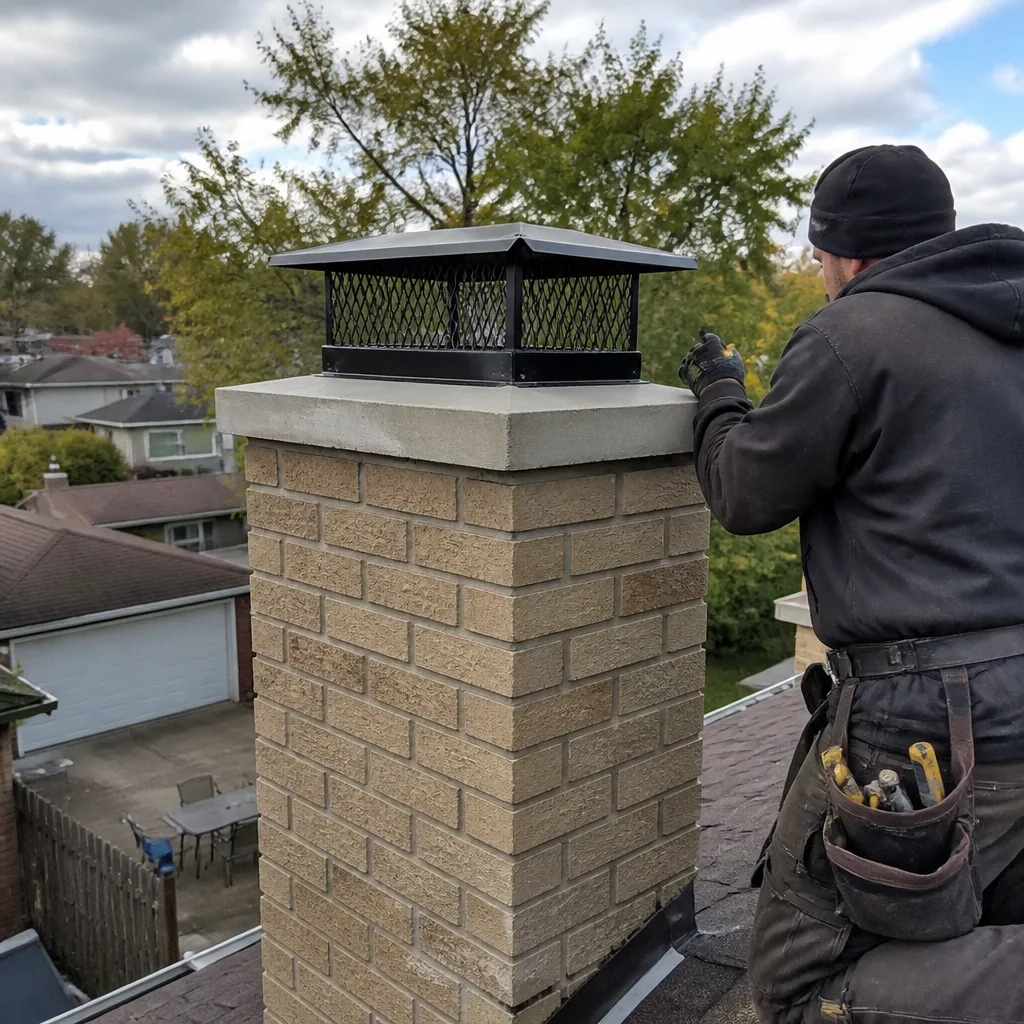
- Chimney cap installation or replacement when needed. A properly fitted cap with a spark arrestor keeps animals out, prevents rain and snow intrusion, and blocks burning embers from exiting the flue onto the roof.
Using a certified specialist for this maintenance means the work includes an inspection component, not just a sweep. You should receive documentation that your flue was assessed, not just brushed. That documentation becomes part of your emergency file and your insurance trail.
Common Mistakes to Avoid
- Skipping the annual sweep because “we barely use the fireplace.” Infrequent burning is not protective. Creosote can accumulate from as few as a dozen fires, and animal nests develop completely independent of usage. In Cicero, unused chimneys are often the most hazardous.
- Burning unseasoned wood or softwoods like pine. These produce more creosote per burn and accelerate buildup in the flue. Seasoned hardwood burns hotter and cleaner. If you’re in Cicero and buying firewood, ask whether it’s been split and dried for at least one year.
- Using the fireplace when the flue is partially blocked. Some homeowners notice sluggish draft or smoke spillage and continue using the fireplace anyway. A partially blocked flue is a CO back-drafting risk and a chimney fire waiting to happen.
- Assuming a visual check from the firebox is sufficient. The most dangerous creosote accumulates in the upper third of the flue, which is invisible from the firebox. Only a professional inspection with appropriate tools can assess the full flue length.
- Ignoring the dryer vent while focusing on the chimney. Both systems vent combustible exhaust from your home, and both are fire hazards when neglected. A single specialist who handles both simplifies the maintenance schedule.
- Delaying a Level 3 inspection after a chimney fire. The chimney may look intact while hidden damage exists. Every day you delay is a day you risk a second, worse fire.
- Using generic hardware-store replacement parts for chimney repairs. Flue liners, caps, and dampers are safety components, not decorative accessories. Professional-grade materials matter.
When to Call a Professional
Call a chimney specialist when you notice unexplained smoke in the living space, a roaring sound coming from the chimney during burning, visible creosote buildup thicker than a nickel on any accessible flue surface, or any sign of animal activity in the chimney. Call after any chimney fire, regardless of apparent severity. Call before buying a home in Cicero with a fireplace or wood stove, so you’re not inheriting a hidden liability. Call if your CO detector has ever activated near the fireplace or furnace flue, even if the fire department found no immediate cause. Wexford Chimney Sweep offers free estimates in Cicero, call (866) 361-2607 and we’ll assess your chimney, explain what we found, and handle the repair work ourselves if repair work is what’s needed.
Frequently Asked Questions
At minimum, once per year before the first fall fire. Homes that burn wood more than two to three times weekly during heating season, homes with exterior chimneys, and homes burning softwood or unseasoned wood should consider twice-annual sweeping. An annual sweep catches animal nests, masonry deterioration, and creosote accumulation before any of them become emergencies.
A chimney fire sounds like a low, continuous roar, often described as a freight train or jet engine passing nearby. It is much louder and more mechanical than the soft crackling of a normal wood fire. If you hear that sound while the fireplace is burning, call 911 immediately.
Routine chimney sweeping is considered maintenance, not a covered insurance expense. However, documentation of regular sweeping and inspection strengthens any future claim related to chimney fire or water damage. Insurance companies look for the maintenance trail when assessing claims.
No. A chimney that has experienced a fire is not safe to use until a Level 3 inspection has been completed and any recommended repairs have been made. Hidden flue liner damage and compromised mortar joints are common after chimney fires, even when the exterior shows no visible change.
In older Cicero homes with clay tile liners, the biggest risk is liner failure due to thermal cycling and freeze-thaw moisture intrusion. Cracked or separated clay tiles create gaps that allow heat and combustion gases to reach combustible framing. A video inspection can document liner condition and identify problems before they become emergencies.
A professional inspection using video scanning can document the interior condition of your flue liner. Cleaning removes creosote; liner repair or replacement addresses structural compromise. If your liner is cracked, separated, or missing sections, professional repair materials like HeatShield can restore the flue in qualifying cases. If the liner is too far gone, a DuraFlex stainless steel liner system provides a new, code-compliant flue. The right answer starts with seeing the inside of your flue, which is exactly what a proper inspection provides.
The Bottom Line
Chimney emergencies in Cicero are overwhelmingly predictable, which means they are overwhelmingly preventable. The warning sequence exists whether you know it or not: creosote accumulates, draft weakens, animals nest, liners crack. The more of that sequence you can identify and interrupt with professional maintenance, the less likely you are to ever need the emergency protocol. But if you do face a chimney fire or CO alarm, the correct response order is simple: evacuate, call 911, do not close the damper, do not re-enter, and get a Level 3 inspection before the next fire. Keep your chimney file updated, burn properly seasoned wood, and treat your dryer vent as part of the same system. For more guides & resources on keeping your home safe, explore our blog. Your chimney is a firebox that vents fire byproducts through a passage running inside your house. It deserves the same respect as any other structural system in your home.
Written by the team at Wexford Chimney Sweep, serving Cicero since 2013.
See the difference
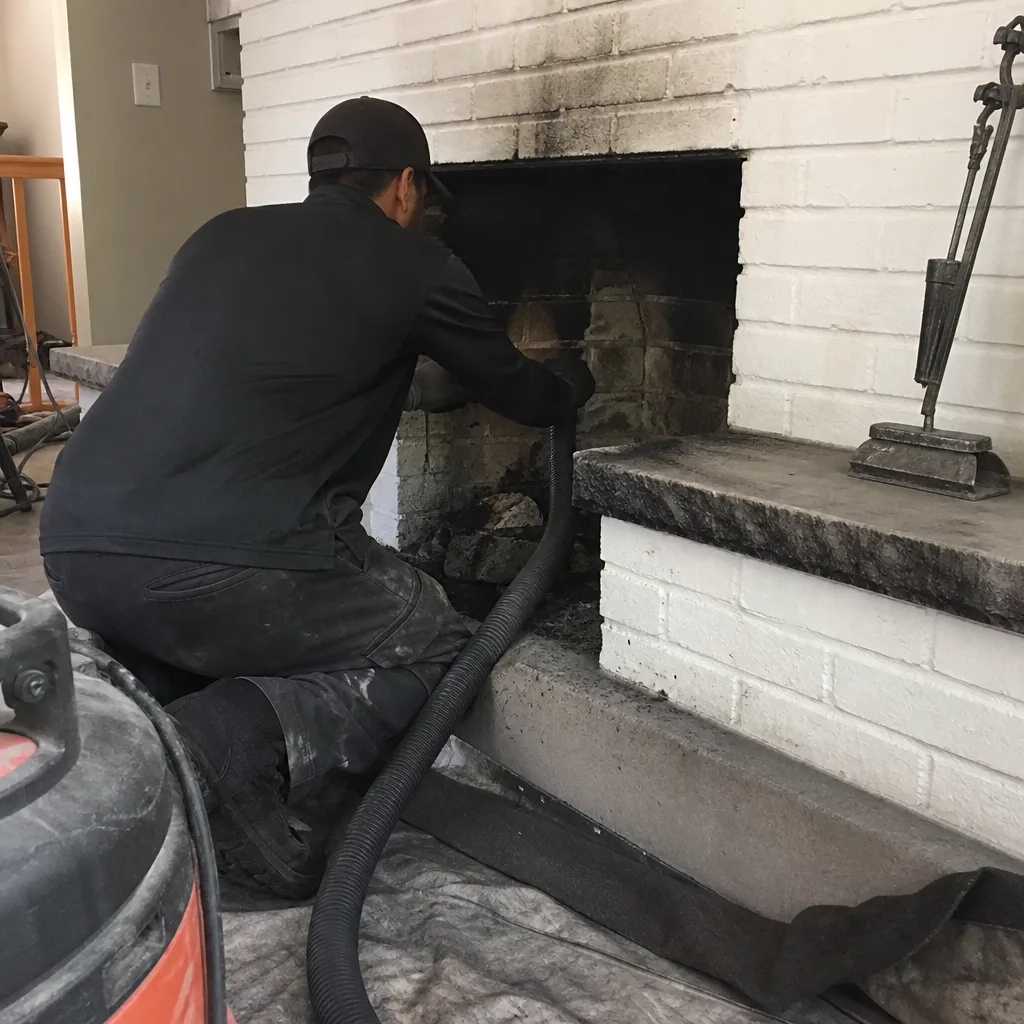 Before
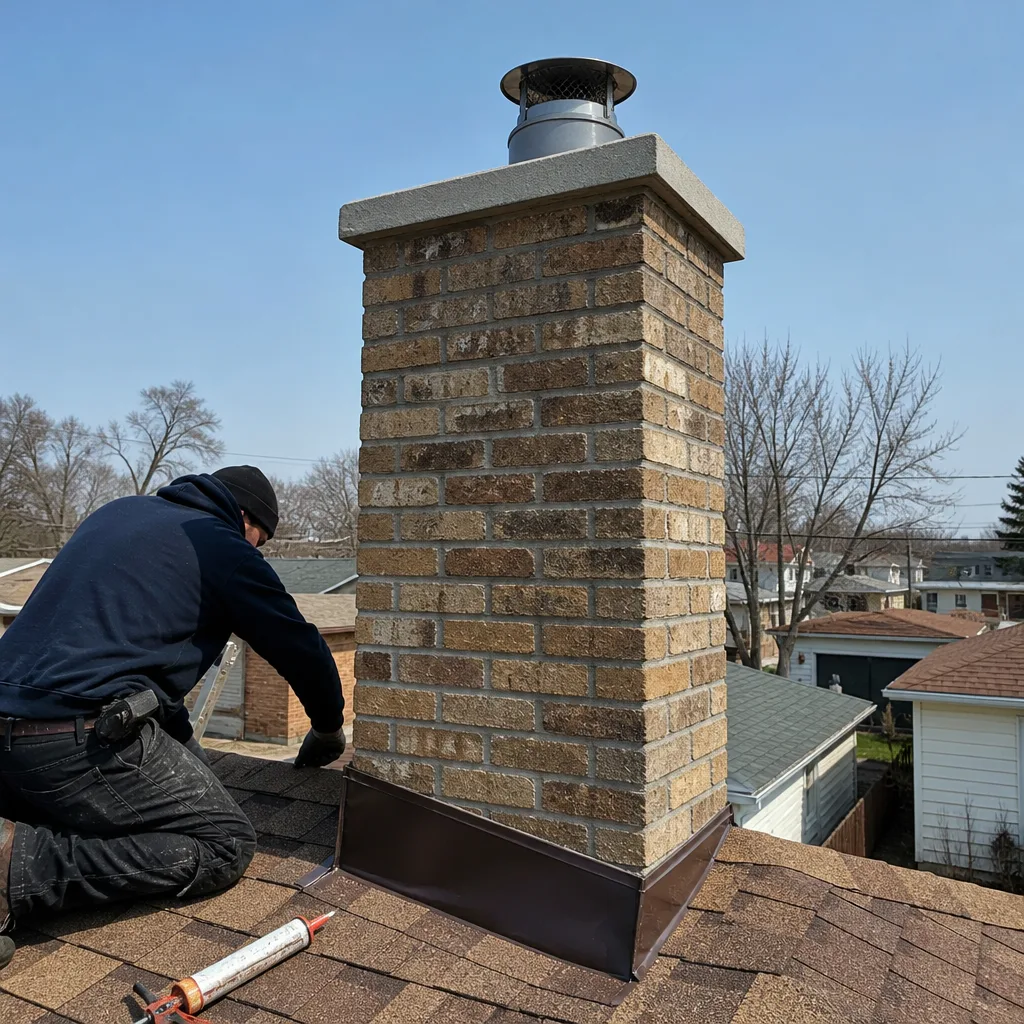 After
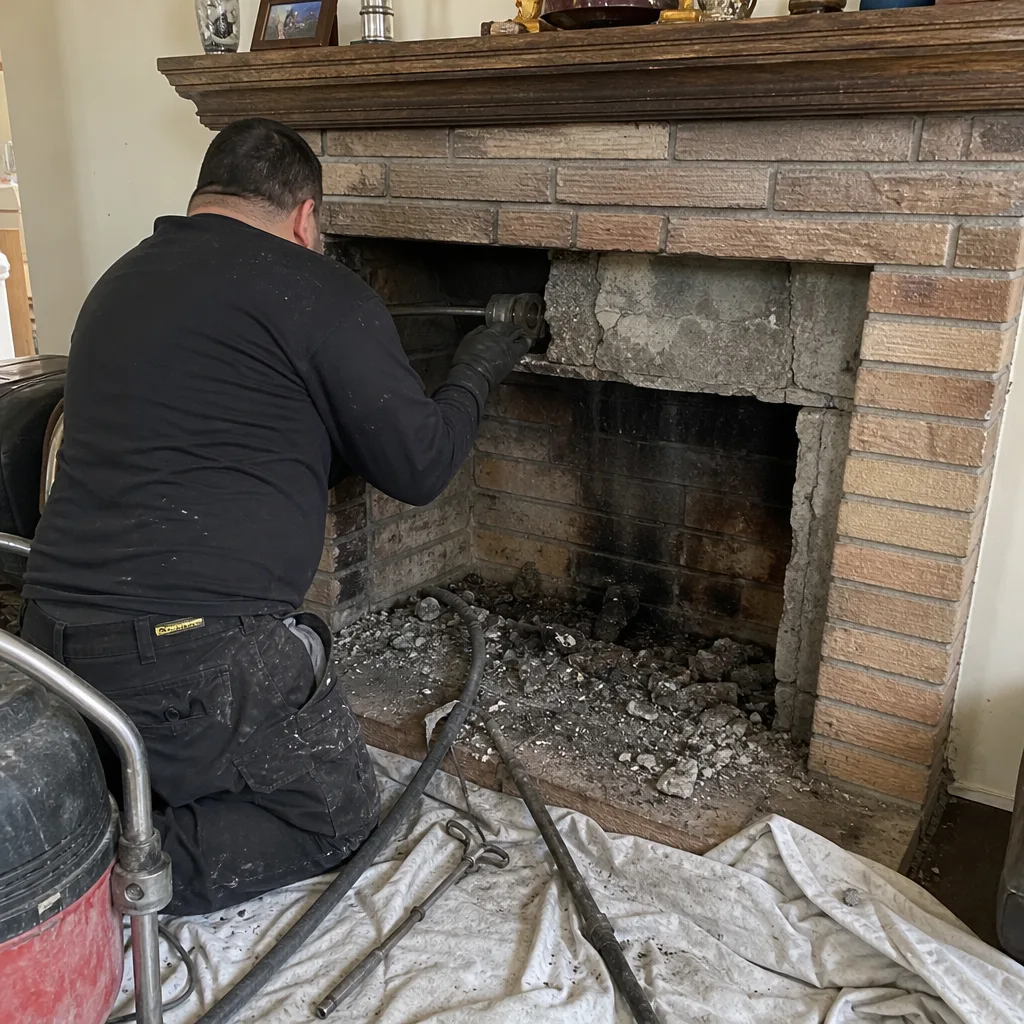 Before
 After
 Before
 After